
Companion Plants
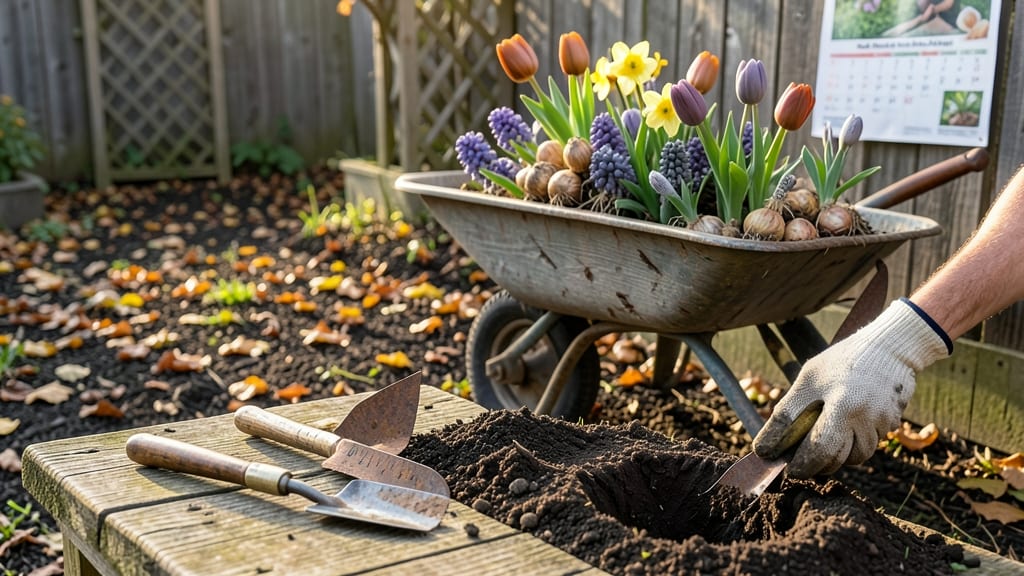
Planting bulbs in the ground at the wrong time can leave you staring at bare soil where vibrant blooms should be. The key to stunning spring flowers isn't just about the calendar—it's about understanding when and why your 🌱 bulbs need to settle into the ground.
In Zone 6a, fall planting (6-8 weeks before frost) is your golden window for tulips, daffodils, and crocuses. But did you know moon phases can supercharge your success? Root bulbs thrive when planted during the moon's waning phase, while flower bulbs benefit from the waxing moon's energy.
This isn't just gardening—it's a seasonal rhythm where timing meets nature's secrets. I'll show you exactly when to plant for each bulb type, how to read the moon's cues, and the 3 mistakes that kill blooms before they even begin.
Ready to transform your garden? Let's dive into the science-backed schedule that turns soil into a sea of color—without the guesswork.
Best planting times by bulb type: seasonal calendar for perfect blooms
Planting bulbs at the right time is the secret to vibrant blooms that return year after year. Most spring-flowering bulbs like tulips and daffodils need 6-8 weeks before frost to establish roots.
This gives them time to settle before winter dormancy begins. For summer-blooming bulbs like dahlias, timing shifts to early spring—just as the soil warms but before intense summer heat arrives.
Your USDA hardiness zone plays a huge role. In Zone 5-7, aim for October to November for fall planting. Gardeners in Zones 8-10 can plant December to February since winters are milder.
Even winter-blooming bulbs like snowdrops have their own sweet spot: plant them in late summer so roots develop before cold sets in.
Don’t let the calendar be your only guide—soil temperature matters too. Bulbs thrive when soil is 50-60°F. Use a soil thermometer to check before planting. If your soil is still warm, wait a few weeks.
Cold soil can shock delicate roots and stunt growth. Pro tip: Plant in layers for continuous blooms—taller bulbs (like tulips) in the back, shorter ones (like crocuses) in front.
Here’s a quick rule of thumb: Plant in fall for spring blooms and spring for summer flowers. This aligns with nature’s cycle—bulbs need time to root before dormancy.
For example, daffodils planted in November will reward you with early spring color, while gladiolas planted in April burst into summer glory.
Regional microclimates can shift these windows. Coastal areas with milder winters might plant 2-4 weeks later than inland zones. High-altitude gardens should plant earlier since frost comes sooner. Always check your last frost date—it’s your planting deadline’s best friend.
🌱 Bulb Planting Calendar by Type
| Bulb Type | Best Planting Time | Bloom Season | USDA Zones | Pro Tip |
|---|---|---|---|---|
| Tulips | Fall (6-8 weeks before frost) | Spring | 3-9 | Plant pointy end up! |
| Daffodils | Fall (October-November) | Early Spring | 3-10 | Resist deer with scent! |
| Crocuses | Fall (September-October) | Late Winter | 3-8 | Great for early pollinators! |
| Dahlias | Spring (after last frost) | Summer-Fall | 7-11 | Stake tall varieties early! |
| Alliums | Fall (October-November) | Late Spring | 4-9 | Drought-tolerant once established! |
Even the most experienced gardeners sometimes misjudge timing. If you plant too early, bulbs may sprout and get frost damage. Planting too late risks shallow roots that can’t support next year’s blooms.
For container gardening, use well-draining pots and plant bulbs 3-4 weeks earlier than in-ground—containers warm up faster.
Don’t forget about perennializing bulbs like alliums or fritillarias. These thrive when left undisturbed for years. Mark their spots with garden flags so you don’t accidentally dig them up.
A little planning now means decades of blooms with minimal effort. For first-time planters, start with daffodils or tulips—they’re the most forgiving and deer-resistant.
Watch for local frost dates and adjust accordingly. Some years, winter arrives early—stay flexible! If you miss the fall window, early spring planting (as soon as soil is workable) is your backup plan.
Just be prepared for smaller blooms that first year. The key is consistency: plant at the same time each year for the best results.
Remember, bulbs are low-maintenance powerhouses. With the right timing, they’ll reward you with colorful displays that brighten even the
Moon phase planting secrets: how lunar cycles boost bulb growth
Did you know the moon's phases can dramatically influence how well your bulbs grow? Root bulbs like tulips and daffodils thrive when planted during the root phase of the moon, while flowering bulbs benefit from the flower phase.
This ancient wisdom isn't just folklore—it's rooted in real science about how lunar gravity affects plant moisture uptake and nutrient flow.
When planting spring-blooming bulbs like crocuses or hyacinths, aim for the waxing moon (just after the new moon). The moon's pull helps draw moisture into the soil, giving your bulbs the hydration boost they need to establish strong roots before winter dormancy.
For summer-blooming bulbs such as dahlias or cannas, the waning moon (after the full moon) is ideal for planting, as it encourages above-ground growth.
Moon Phase Planting Guide for Bulbs
🌕| Moon Phase | Best For Planting | Why It Works |
|---|---|---|
| New Moon | Root bulbs (tulips, daffodils) | Encourages root development |
| Waxing Moon | Spring bulbs (crocuses, hyacinths) | Boosts moisture absorption |
| Full Moon | Flowering bulbs (lilies, alliums) | Enhances blooming potential |
| Waning Moon | Summer bulbs (dahlias, cannas) | Promotes top growth |
To put this into practice, check a moon phase calendar before digging. For example, if you're planting tulip bulbs in Zone 6 during October, aim for the waxing crescent moon (3-7 days after the new moon).
This timing helps the bulbs establish roots before the ground freezes, setting them up for explosive spring growth.
Pro tip: Use a moon phase app or mark your calendar with highlighters to track the best planting days. I like to plant my daffodils during the root phase (just after the new moon) and my dahlias during the flower phase (just before the full moon).
The difference in bloom quality is noticeable—my dahlias produce larger, more vibrant flowers when planted this way!
Don't worry if you miss the perfect moon phase—bulbs are forgiving. However, aligning with the lunar cycle can give you a 10-15% boost in bloom success. For best results, combine moon phase planting with proper soil prep (well-draining, amended with compost) and correct planting depth (twice the bulb's height).
This dual approach maximizes your chances of a show-stopping garden next season.
Ready to try it? Grab your bulbs, check the moon phase, and dig in! The key is consistency—once you see the difference in your blooms, you'll never plant without considering the lunar cycle again. Happy planting! 🌕🌱