
Companion Plants
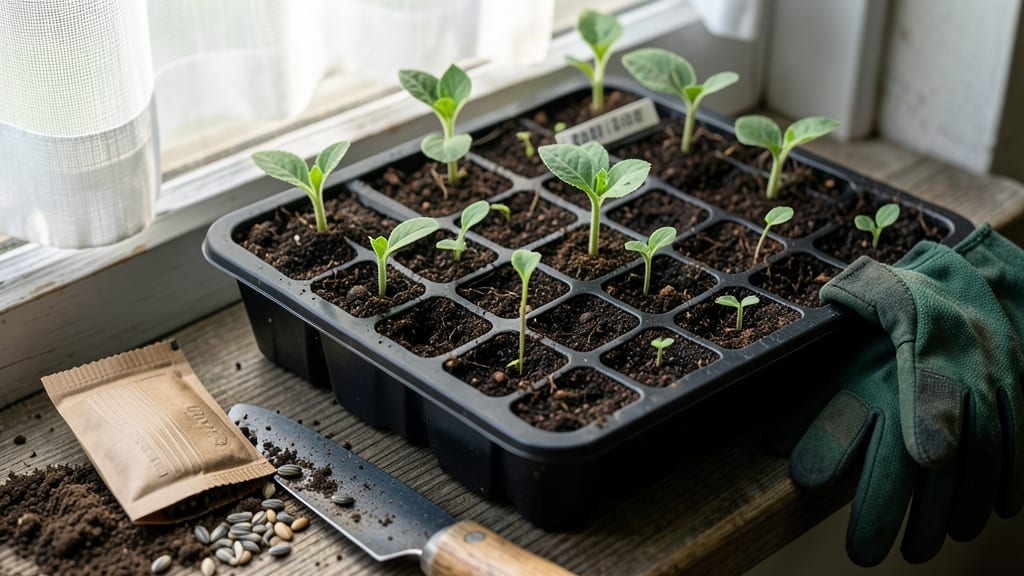
Planting sunflower seeds in Ohio at the wrong time can mean the difference between towering 🌻 blooms and stunted plants that never reach their potential.
With frost dates that vary by just weeks across the state, timing isn't just important—it's everything for growing sunflowers that thrive in Ohio's Zone 6a climate.
Most gardeners in Ohio wait until after the last frost—typically around mid-April—but that's just the starting point. The real secret lies in understanding how soil temperature, moisture, and daylight interact to create the perfect conditions for sunflower growth.
Whether you're aiming for 10-foot giants or cheerful dwarf varieties, getting the timing right ensures your plants have enough time to mature before the first frost hits in October.
In this guide, I'll walk you through the exact planting windows for Ohio's heat zones, including when to direct-sow seeds versus transplanting starts.
You'll also discover how to prepare your soil, space your plants for maximum airflow, and care for them throughout the growing season to guarantee those vibrant blooms you've been dreaming of.
Ready to grow sunflowers that stand out in your Ohio garden? Let's dive into the ideal planting schedule and pro tips that will set you up for success—no matter where you are in the state.
Ohio sunflower planting calendar: exact dates by heat Zone 5b-6a for maximum growth
Ohio’s Heat Zones 5b-6a create a perfect stage for sunflowers, but getting the timing right is key to those 10-foot giants you’ve dreamed of. The last frost date in most Ohio regions falls around mid-April, but soil temperature matters just as much as calendar dates.
For direct sowing, aim for when soil reaches 55°F—typically late April to early May in southern Ohio and early to mid-May in northern areas.
If you’re starting sunflower seeds indoors for early transplanting, begin 4-6 weeks before your last frost date. This means early March for southern Ohio gardeners and late March for northern regions. Hardening off seedlings for 7-10 days before transplanting ensures they survive Ohio’s unpredictable spring weather.
Here’s your Ohio sunflower planting timeline broken down by zone and variety type:
| Zone | Task | Direct Sowing Window | Transplant Window | Ideal Variety |
|---|---|---|---|
| 5b (N. Ohio) | May 1-15 | May 15-30 | 'Moulin Rouge' (dwarf) |
| 6a (S. Ohio) | April 15-May 10 | April 20-May 15 | 'Russian Giant' (standard) |
| Both Zones | June 1-15 (succession) | N/A | 'Teddy Bear' (dwarf) |
🌱 Pro Tip: For tallest blooms, plant 'Russian Giant' or 'Mammoth' varieties in well-drained soil with full sun.
For giant sunflowers, don’t rush—wait until mid-May in northern Ohio to give plants enough time to establish before summer heat arrives. Dwarf varieties like 'Teddy Bear' can handle earlier planting and even succession sowing in June for late-summer blooms.
Remember, sunflowers hate soggy soil, so avoid planting in low spots where water pools.
Ohio’s microclimates play a role too. Urban areas like Columbus often warm up faster than rural spots, so check your local Almanac frost dates or use a soil thermometer. If you’re in Zone 6a near Cincinnati, you might get away with planting 2 weeks earlier than northern Ohio gardeners.
Always err on the side of waiting—sunflowers recover better from delayed planting than from early frost damage.
One common mistake Ohio gardeners make is planting too deeply. Sunflower seeds should only go 1 inch deep, with 6 inches between plants for standard varieties.
If you’re growing multiple rows, space them 18-24 inches apart to allow airflow and prevent fungal diseases like powdery mildew, which thrives in Ohio’s humid summers.
After planting, mulch around the base with straw or shredded leaves to retain moisture and suppress weeds. Sunflowers are drought-tolerant once established, but consistent 1-2 inches of water per week during flowering ensures those showstopping blooms.
In Zone 5b, where nights stay cooler, consider a lightweight row cover for the first 2 weeks to protect young seedlings.
For extended blooms, try succession planting every 2 weeks from May through June. This staggered approach gives you sunflowers in bloom from July through October, perfect for cutting or birdseed. Just remember: late plantings won’t reach full height but will still produce beautiful flowers and seeds.
🌻 Whether you’re chasing record-breaking height or just love the cheerful faces sunflowers turn toward the sun, Ohio’s climate rewards patient gardeners. With the right timing and a little extra care, you’ll have stunning sunflowers that rival the Ohio State Buckeye—just without the football drama.
5 Critical factors that determine sunflower success in Ohio gardens
Ohio’s sunflower success hinges on more than just timing—your soil, sunlight, and even microclimate play starring roles. Sunflowers thrive in well-draining soil with a pH between 6.0 and 7.5, but Ohio’s clay-heavy regions (like Toledo) need extra compost to prevent waterlogging.
If your garden sits in a shaded microclimate, dwarf varieties like ‘Teddy Bear’ will still bloom, just shorter.
Sunflowers demand full sun exposure—at least 6-8 hours daily. In Columbus’ urban heat islands, they’ll grow faster, but Toledo’s cooler lakeshore areas may need later planting. Test your spot: if shadows stretch past noon, consider a south-facing raised bed for faster growth.
- Soil Prep: Mix 2 inches of compost into top 6" of clay soil. Toledo: add perlite. Columbus: skip if sandy.
- Sunlight: 6+ hours daily. Urban areas (Columbus) get bonus heat; lakeshore (Toledo) needs extra sun.
- Watering: 1-2 inches weekly. Deep water at soil level—never overhead—to prevent mildew.
- Spacing: 6-12 inches apart. Taller varieties need 2 feet between rows to avoid crowding.
- Fertilizer: 5-10-10 NPK at planting, then again in June. Stop by July 4th to prevent late blooms.
Ohio’s variable rainfall can drown or dehydrate sunflowers. After planting, keep soil consistently moist (not soggy) until roots establish—usually 4-6 weeks. Once mature, they’re drought-tolerant, but July heatwaves (like 2021’s 95°F+ stretches) demand deep watering every 5-7 days.
Use a soaker hose to save time and prevent fungal diseases.
Common mistakes stunt growth in Ohio gardens. Over-fertilizing with nitrogen (like lawn fertilizer) produces leafy stems but no blooms. Underwatering causes drooping heads before harvest. And planting too close? Your sunflowers will compete for sunlight, resulting in shorter, weaker stems that snap in windy Ohio afternoons.
Pro tip: Mulch with straw after planting to retain moisture and suppress weeds. In northwest Ohio, add a black plastic mulch to warm soil faster—critical for late-May plantings. For southern Ohio, focus on shade cloth during extreme heat to protect young seedlings.
Finally, watch for pests like sunflower moths and beetles. Handpick larvae or use neem oil if you spot chewed petals. Ohio’s humid summers also invite powdery mildew—spray with baking soda solution (1 tsp per quart of water) at first signs of white dust on leaves.