
Companion Plants
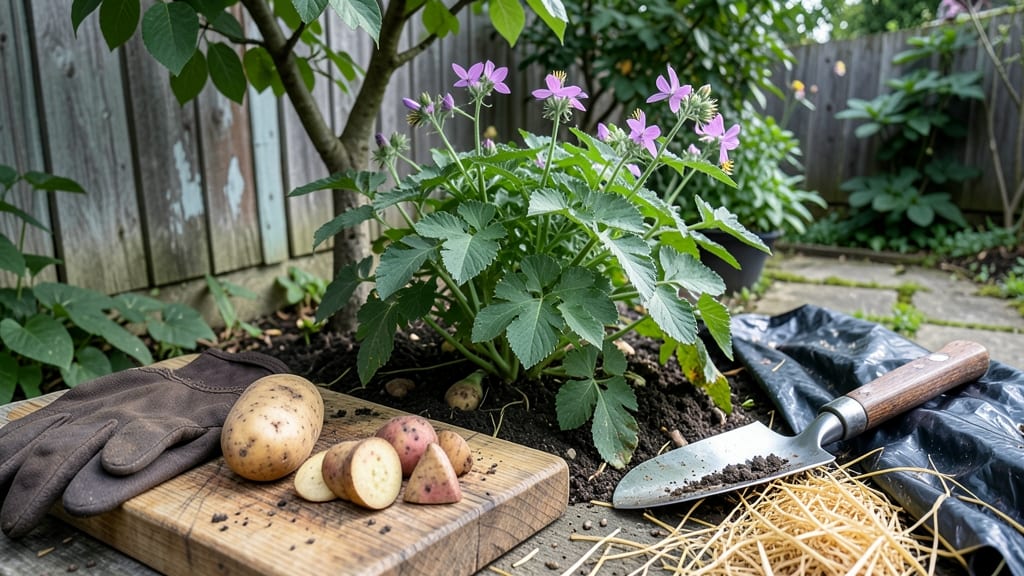
Planting potatoes in Zone 6 at the wrong time can turn your 🥔 dreams into frost-killed disappointment—so getting the timing right is everything.
Unlike some veggies that tolerate cooler soil, potatoes need warmth to sprout, and planting too early means waiting for frost to strike while your seed potatoes rot in the cold ground.
The key to success in Zone 6 (6a-6b) is planting 4-6 weeks before your last frost date, typically between late March and early April.
This gives your tubers time to establish roots before the soil warms enough for rapid growth—but rush it, and you’ll end up with stunted plants or no harvest at all.
Here’s what I’ll cover: the exact window for spring planting (and why fall planting rarely works here), how to prep your soil for faster sprouting, and the 3 signs your potatoes are ready to go in the ground. No more guessing—just a foolproof plan for a bountiful harvest.
Whether you’re a first-time gardener or a seasoned grower, these tips will help you avoid the most common mistakes and maximize your 60-90 day growing season. Let’s get those spuds in the ground the right way!
Optimal spring planting dates for Zone 6 potatoes to avoid frost damage
In Zone 6, where frost lingers until mid-April on average, planting potatoes too early can spell disaster. The key is timing your planting to ensure tubers sprout 2-3 weeks before the last frost—enough time to establish roots but not so early that cold soil stalls germination.
For most of Zone 6, this means starting in late March to early April, but regional microclimates (like warmer valleys or colder highlands) can shift this window by 1-2 weeks.
Potatoes thrive when soil temperatures hit 45°F (7°C), but they’ll germinate at 40°F (4°C) if conditions are right. However, cold, wet soil can lead to rot or slow sprouting, so always check soil temperature with a probe or wait until the ground is workable and crumbly.
In Zone 6a (colder end), aim for early April; in Zone 6b (warmer), late March works for early varieties.
| Variety Type | Planting Window (Zone 6) | Days to Maturity | Notes |
|---|---|---|---|
| Early (e.g., Yukon Gold) | Late March–Early April | 60–75 days | Best for short seasons; plant first. |
| Mid-season (e.g., Kennebec) | Early–Mid April | 75–90 days | Versatile; ideal for most Zone 6 gardeners. |
| Late (e.g., Russian Banana) | Mid–Late April | 90–110 days | Riskier; only if frost-free date is late. |
To pinpoint your exact planting date, use the USDA Plant Hardiness Zone Map to find your local average last frost date, then count backward.
For example, if your last frost is April 15, plant early varieties by March 25 to ensure a 60-day harvest window before summer heat sets in. Pro tip: Use row covers to extend your planting window by 2-3 weeks if frost threatens.
Another critical factor is soil preparation. Potatoes need loose, well-draining soil rich in organic matter. Work in compost or aged manure 2–3 weeks before planting to warm the soil faster.
Avoid fresh manure, which can burn tender sprouts and attract pests like colorado potato beetles. In clay-heavy soils, mix in sand or peat moss to improve drainage.
If you’re unsure about your soil temperature, perform the "squeeze test": Grab a handful of soil—if it crumbles easily, it’s ready. If it sticks together like wet clay, wait another week. Cold soil slows germination, and potatoes planted in below-50°F (10°C) soil may rot before sprouting.
For extra insurance, chit your seed potatoes (sprout them indoors in light) 4–6 weeks before planting to give them a head start.
Don’t forget about spacing and depth. Plant seed potatoes 4 inches deep and 12 inches apart in rows 3 feet apart to allow for hill-building as plants grow. This spacing prevents disease spread (like blight) and makes harvesting easier.
In container gardens, use 5-gallon buckets with drainage holes and plant one potato per container, burying it halfway up the sides.
One common mistake in Zone 6 is planting too late, especially for late varieties. If you miss the April window, switch to fast-maturing varieties (like Red Norland) or consider fall planting (more on that later).
Late plantings risk stunted tubers or premature harvests before full maturity. Always prioritize early varieties for the best yield in Zone 6’s short growing season.
Finally, keep an eye on weather forecasts in the days leading up to planting. If a hard freeze is predicted, delay planting until temperatures stabilize. Use straw mulch or black plastic to warm soil faster if needed.
With the right timing, your Zone 6 potato patch can yield 5–10 pounds per plant—worth the effort to get it right!
Optimal spring planting dates for Zone 6 potatoes to avoid frost damage
In Zone 6, potatoes thrive when planted after the last frost date—typically mid-April—but timing varies by sub-zone (6a vs. 6b). The key is waiting for soil temperatures to reach 45°F consistently, ensuring your seed potatoes sprout without frost damage.
Early varieties like Yukon Gold can handle cooler soil, while late varieties need warmer conditions.
Start by checking your local frost-free date using the USDA Plant Hardiness Zone Map. Aim to plant 4-6 weeks before your area’s last frost—this gives tubers time to establish roots before summer heat arrives.
For example, in Midwest Zone 6, this window is late March to early April, while Appalachian Zone 6 may wait until early April.
🥔 Zone 6 Potato Planting Summary
| Variety Type | Ideal Planting Window | Days to Maturity | Soil Temp Requirement |
|---|---|---|---|
| Early (e.g., Red Pontiac) | Late March–Early April | 60–75 days | 45–50°F |
| Mid (e.g., Yukon Gold) | Early–Mid April | 75–90 days | 50–55°F |
| Late (e.g., Russet) | Mid–Late April | 90–110 days | 55–60°F |
💡 Pro Tip: Use a soil thermometer to confirm readiness—potatoes won’t sprout below 45°F.
For short-season varieties, prioritize early planting to maximize harvest time. If your growing season is tight (e.g., 120 days), choose early-maturing types like Kennebec or Katahdin. These can be planted as early as late February under row covers or in a greenhouse to extend the season.
Regional variations matter: In Appalachian Zone 6, cooler springs delay planting until early April, while Midwestern Zone 6 may start in late March.
Adjust based on your microclimate—low-lying areas frost later than hillsides. Always plant 2–3 weeks before your last frost date to account for unpredictable weather.
After planting, mulch heavily with straw to retain soil warmth and prevent early blight (a fungal disease triggered by cool, wet conditions). Monitor for sprouts—they should emerge within 2–3 weeks if soil temps are ideal.
If sprouts appear but then die back, your potatoes may be too deep or soil too cold.
Once your potatoes are in the ground, focus on consistent moisture and full sun to encourage tuber formation. Avoid overwatering, which can lead to scab disease—a common issue in Zone 6 gardens. With the right timing, you’ll harvest baby potatoes in 60 days and full-sized tubers by mid-summer.