
Companion Plants
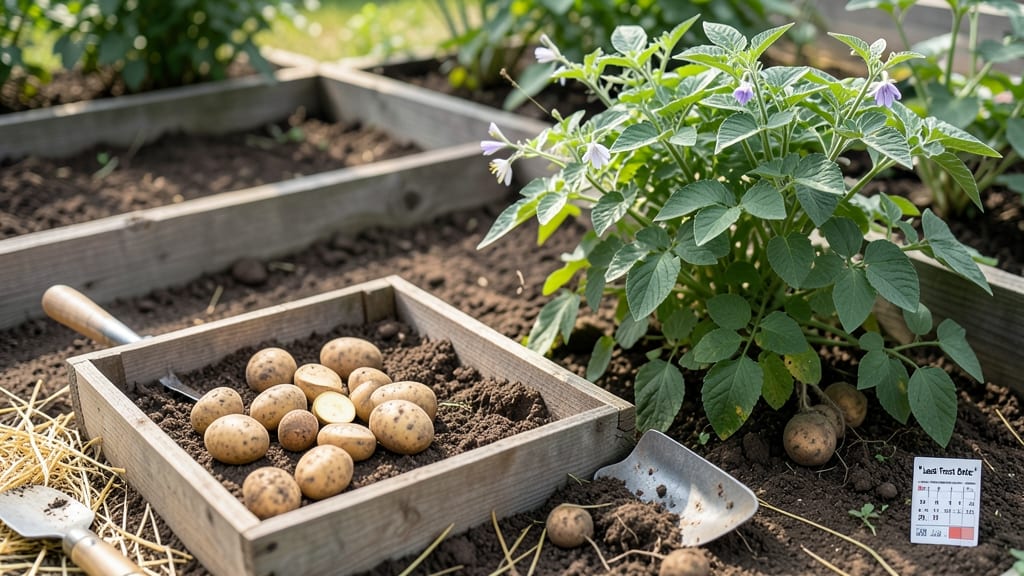
Planting potatoes in Ohio at the wrong time can turn your 🥔 dreams into a frosty disappointment—especially when last-minute freezes zap your crop before it even sprouts. The key to success lies in understanding Ohio’s 6a climate, where soil temperature and frost dates dictate the perfect window for planting.
Most Ohio gardeners wait until mid-March to early April, but timing depends on whether you’re growing early varieties or waiting for warmer soil. Too soon, and frost will kill tender shoots; too late, and you’ll miss the 90-day growing window before harvest.
I’ll break down exactly when to plant based on soil warmth and regional frost patterns.
You’ll also discover how to prep your soil for zero-frost success, including chitting tips and variety choices that thrive in Ohio’s unpredictable springs. Whether you’re a first-time gardener or a seasoned grower, these strategies will help you avoid common mistakes and maximize your potato harvest.
Let’s get your 🥔 patch off to the right start—because in Ohio, timing isn’t just important, it’s everything.
Ohio’s ideal potato planting timeline: soil temperature and frost-free dates
Ohio’s variable climate means potatoes thrive when planted at the right time—typically 4-6 weeks before the last spring frost. For most of Ohio, this falls between late March and mid-April, but exact timing depends on soil temperature and regional frost patterns.
Potatoes need soil temperatures of 45-50°F to germinate properly. In Northern Ohio, where frosts linger longer, aim for early April planting. Southern Ohio gardeners can start as early as late March, thanks to warmer soils and earlier frost-free dates.
According to Ohio State University Extension, the average last frost date ranges from April 15 in the north to April 1 in the south. Using these dates as a guide ensures your potatoes avoid frost damage while maximizing the 90-120 day growing season most varieties need.
🌱
🥔 Ohio Potato Planting Timeline
| Region | Ideal Planting Window | Soil Temp Requirement | Last Frost Date |
|---|---|---|---|
| Northern Ohio (Cleveland, Toledo) | Late March - Early April | 45-50°F (7-10°C) | April 15 - May 1 |
| Central Ohio (Columbus, Dayton) | Early April | 45-50°F (7-10°C) | April 1 - April 15 |
| Southern Ohio (Cincinnati, Athens) | Late March - Early April | 45-50°F (7-10°C) | March 25 - April 10 |
For extended growing seasons, Ohio gardeners can also plant a second crop in early June using early-maturing varieties like 'Red Norland' (60-70 days). This second planting allows for a late-summer harvest before the first frost hits in October.
To check your local frost dates, consult the Old Farmer’s Almanac or your county’s Ohio State University Extension office. These resources provide hyper-local data that can adjust your planting schedule by 1-2 weeks depending on microclimates.
If you’re unsure about soil temperatures, use a soil thermometer to confirm readiness. Potatoes won’t sprout in cold soil, and waiting a few extra days for the right conditions prevents rot and poor germination.
🌡️
Once planted, maintain consistent moisture and protect young plants with frost cloth if late frosts threaten. With the right timing, Ohio’s growing season delivers high-yielding potatoes that rival commercial crops.
🥔
How to time your potato planting for maximum yield: chitting, spacing, and variety selection
Ohio’s unpredictable spring weather demands smart planning to maximize your potato harvest. The key isn’t just when you plant—it’s how you prepare your seed potatoes and choose varieties that thrive in Ohio’s 60-90 day growing season.
Let’s break down the proven steps to ensure your potatoes grow strong and bountiful.
First, chitting your seed potatoes gives them a head start. Place whole, certified potatoes in a cool, bright spot (like a sunny windowsill) 4-6 weeks before planting.
This encourages sprouts ½-inch long, which means faster emergence once soil warms. Skip this step only if your seed potatoes are already sprouted!
Next, variety selection matters more than you might think. Ohio’s climate favors early-maturing varieties (60-75 days) for northern regions and mid-season types (75-90 days) for southern Ohio. Top picks include ‘Yukon Gold’ (buttery texture, great for mashing) and ‘Kennebec’ (high yield, disease-resistant).
Avoid late varieties unless you’re in southern Ohio with a longer frost-free season.
- 1. Chit seed potatoes for 4-6 weeks before planting to jumpstart growth.
- 2. Plant 4-6 weeks before Ohio’s last frost date (typically mid-April).
- 3. Space rows 30 inches apart and plants 12-18 inches apart for optimal air circulation.
Ohio gardeners often make the mistake of overcrowding potato plants, which leads to small, misshapen tubers. Aim for 12-18 inches between plants and 30 inches between rows. This spacing also makes hilling (piling soil around stems) easier later in the season, which prevents greening and boosts tuber production.
For extended harvests, plant a mix of early and mid-season varieties. Start with ‘Red Pontiac’ (70 days) in early April, followed by ‘Russet Norkotah’ (80 days) in late April. This staggered approach ensures fresh potatoes from July through September, even if Ohio’s weather throws curveballs.
Finally, mulch heavily with straw or grass clippings after planting to retain moisture and regulate soil temperature. Ohio’s spring rains can leach nutrients, so a 2-3 inch layer of mulch helps keep soil fertile longer. Avoid synthetic mulches—they can overheat soil and stress young plants.