
Companion Plants
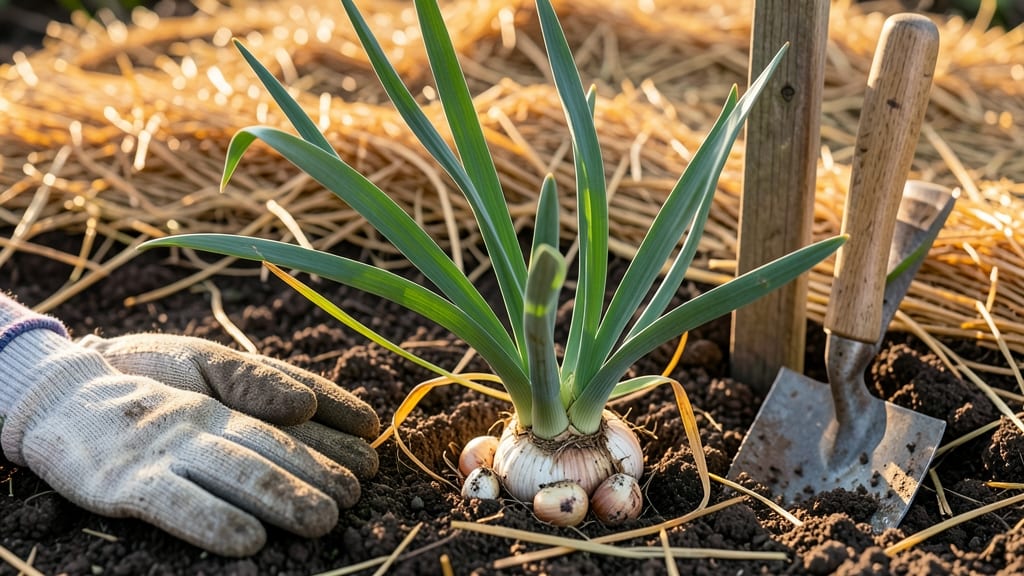
Planting garlic in Zone 7 at the wrong time can turn your 🧄 harvest dreams into a flop—too early, and pests take over; too late, and the cold stunts growth.
The secret to success? Timing it just right in late fall for hardneck varieties, when the soil cools but doesn’t freeze solid.
Most gardeners in Zone 7 swear by planting between mid-October and early November, giving cloves a head start before winter. But here’s the catch: your exact window depends on whether you’re in northern or southern Zone 7, and whether you’re growing for bulbs or scapes.
Get this wrong, and you’ll end up with weak plants—or worse, no harvest at all.
I’ve tested the best methods over years in Zone 7, and the results speak for themselves. With the right soil prep and a few pro tips, you can avoid common mistakes like planting too close to frost or ignoring soil drainage.
Let me walk you through the exact steps to maximize your garlic’s potential.
Ready to grow garlic that rivals the grocery store? The key is in the timing—and I’ll show you how to nail it every season. No more guesswork, just a bountiful harvest waiting for you.
Best fall planting window for Zone 7 garlic
In Zone 7, the perfect window for planting hardneck garlic is between mid-October and early December. This 6-week span ensures cloves establish roots before winter dormancy, while avoiding the risk of sprouting too early.
The goal? Plant when soil temps sit between 40°F and 50°F—ideal for root development without encouraging premature shoots.
Why fall? Garlic thrives on cold stratification, a natural process where winter chilling (but not freezing) strengthens bulbs. Zone 7’s first frost typically arrives in mid-November, so aim to plant 4-6 weeks before that date. For example, if your area frosts around November 15th, target early October planting.
Here’s the critical timeline for Zone 7 gardeners: October 15–November 1 is prime time. Plant earlier in northern Zone 7 (e.g., near Cincinnati) where winters are colder, or later in southern Zone 7 (e.g., near Atlanta) where mild spells linger. Use your local frost date as your anchor.
If you miss the fall window, early spring planting (February–March) is your backup. However, spring-planted garlic often yields smaller bulbs and fewer scapes. For best results, prioritize fall—it’s when garlic truly shines in Zone 7. Think of it as giving your cloves a head start on a full growing season.
One common mistake? Planting too late in December. By then, soil temps drop below 40°F, slowing root growth. Cloves may sprout in spring but produce weaker bulbs. To test readiness, push a thermometer into the soil—if it’s consistently below 40°F, hold off until next fall.
For organic gardeners, amend soil with compost or aged manure before planting. Garlic loves well-draining, slightly acidic soil (pH 6.0–7.0). If your soil is heavy clay, mix in sand or peat moss to improve drainage.
A 1-inch layer of mulch (straw or shredded leaves) after planting helps insulate roots through winter.
Remember: Hardneck garlic (the variety best suited for Zone 7) needs cold exposure to form bulbs. Without it, you’ll end up with skinny stems and no cloves. That’s why timing is everything—fall planting ensures your garlic gets the perfect chill without freezing solid.
Finally, store-bought garlic often comes from California and won’t cold-stratify properly. Source organic, untreated cloves from a local nursery or seed catalog. Look for hardneck varieties like ‘Music’ or ‘German White’, which thrive in Zone 7’s climate.
Break apart the bulb and plant each individual clove, pointy-end up, 2 inches deep and 4–6 inches apart.
With the right timing, your Zone 7 garlic will reward you with bold, flavorful bulbs by next summer. The key? Plant in that 6-week fall window, prep your soil well, and let winter do the work. Your future meals will thank you! 🧄
Best fall planting window for Zone 7 garlic
In Zone 7, the ideal time to plant garlic is during a 6-week window in late fall—typically from mid-October to early December. This timing ensures your hardneck garlic establishes roots before winter dormancy but avoids sprouting too early.
The key is planting 4-6 weeks before the ground freezes, usually when soil temps drop to 40-50°F.
Northern areas of Zone 7 (closer to Zone 6) should plant earlier in the window (late October), while southern areas (near Zone 8) can extend planting until early December.
The goal is to let garlic root but not sprout before winter. Too early, and it may bolt; too late, and it won’t establish properly.
| Zone 7 Region | Optimal Planting Window | Soil Temp Threshold | Key Adjustment |
|---|---|---|---|
| Northern Zone 7 (e.g., Cincinnati, OH) | Late October - Early November | 40-45°F | Plant closer to October 20th |
| Central Zone 7 (e.g., Nashville, TN) | Mid-October - Mid-November | 45-50°F | Avoid planting after November 15th |
| Southern Zone 7 (e.g., Atlanta, GA) | Early November - Early December | 50-55°F | Extend to December 5th max |
For Zone 7 gardeners, use your last frost date (typically mid-November) as a guide. Plant garlic 6-8 weeks before this date to allow root establishment. For example, if your last frost is November 15th, aim to plant by late September to early October.
However, this is too early—garlic planted this soon may sprout and get damaged by early freezes.
Instead, focus on the soil temperature. Use a soil thermometer to confirm temps are between 40-50°F at planting time. In Zone 7, this usually aligns with mid-October for most areas. If your soil stays warm longer (common in urban areas), wait until early November to avoid premature sprouting.
After planting, mulch heavily (4-6 inches) with straw or leaves to insulate the soil and prevent temperature fluctuations. This helps maintain consistent root growth through winter. Remove mulch in early spring (March) to allow shoots to emerge as temperatures rise.
If you miss the fall window, early spring planting (February-March) is a backup option, though bulbs will be smaller and less flavorful. For Zone 7, spring-planted garlic may not mature fully before summer heat sets in.