
Companion Plants
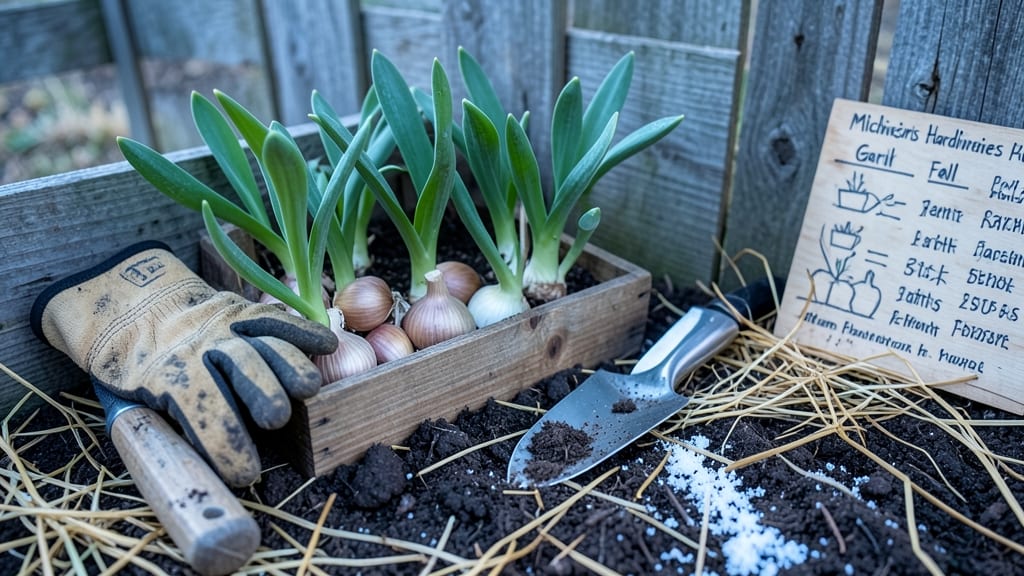
Planting garlic in Michigan at the wrong time can turn your 🧄 dreams into disappointment—but getting the timing right is simpler than you think. The key lies in Michigan’s unique climate, where hardneck and softneck varieties need different strategies to thrive through winter’s chill.
Most gardeners in zones 5b-6b know fall planting is critical, but many still miss the October-November window when soil temps drop. I’ve learned the hard way that planting too early risks rot, while waiting too late can stunt growth before spring arrives.
What you’ll discover here is how to align your planting schedule with Michigan’s frost patterns, whether you’re growing hardneck for robust bulbs or softneck for milder winters. We’ll cover soil prep, variety selection, and even how to adjust for your specific corner of the state.
Ready to grow garlic that’s plump, flavorful, and ready by next summer? Let’s break down the exact steps that’ll make your harvest the envy of every Michigan gardener.
Optimal planting dates for Michigan garlic by variety (hardneck vs softneck)
Michigan gardeners know that garlic thrives on cold winters and cool springs, making fall planting the golden rule. But with hardneck and softneck varieties having different needs, timing becomes even more critical.
Get it wrong, and you risk stunted bulbs or total crop failure—especially in Michigan’s USDA zones 5b-6b.
For both varieties, the ideal planting window is 4-6 weeks before the ground freezes—typically mid-October to early November in most of Michigan. However, hardneck garlic, which produces scape shoots in spring, benefits from a slightly earlier start, while softneck varieties can stretch the window a bit later.
Hardneck garlic, like 'German White' or 'Music', needs cold stratification to form bulbs, so planting by October 15 ensures it gets enough winter chill. Softneck varieties, such as 'Silverskin' or 'Artichoke', are more adaptable and can handle planting until November 1, even in southern Michigan.
Here’s the breakdown you need to avoid common mistakes and maximize your harvest:
| Variety | Best Planting Window | Key Notes for Michigan | Harvest Time |
|---|---|---|---|
| Hardneck (e.g., 'German White', 'Music') | Mid-October to October 31 | Needs 60+ days of cold below 40°F; produces scape shoots in spring. | Late July to early August |
| Softneck (e.g., 'Silverskin', 'Artichoke') | Late October to November 1 | More flexible; stores longer but needs consistent moisture in spring. | Mid-August to September |
| Both Varieties | Avoid planting after November 15 | Soil should be 40-50°F; mulch after planting to protect from freeze-thaw cycles. | Adjust based on leaf browning |
Why does this matter? Hardneck garlic, like 'Chesnok Red', relies on vernalization—a cold period—to trigger bulb formation. Plant too late, and you’ll end up with skinny, weak bulbs or even no harvest at all.
Softneck varieties are more forgiving but still need to establish roots before winter sets in.
Pro tip: Use a soil thermometer to check when temps drop to 50°F at 4 inches deep. This is your cue to start planting. In northern Michigan (e.g., Traverse City), aim for early October; in southern Michigan (e.g., Detroit), you can wait until late October.
One more critical detail: Moon phases matter for garlic. Planting during a waning moon (when the moon is shrinking) encourages root growth downward, which is ideal for bulb development. Check a lunar planting calendar for your region to fine-tune your timing.
If you’re in zone 5b (like Marquette), don’t wait past October 10—the ground freezes too quickly. In zone 6b (like Ann Arbor), you have until November 1, but act fast if early frost hits. Always plant 2-3 weeks before your area’s average first frost date.
Remember: Garlic planted in fall grows slowly over winter and bursts into growth in spring. The key is giving it enough time to root deeply before the ground freezes solid.
With the right timing, you’ll harvest plump, flavorful bulbs by mid-summer—just in time for Michigan’s famous garlic festivals!
Optimal planting dates for Michigan garlic by variety (hardneck vs softneck)
Michigan’s USDA zones 5b-6b mean garlic thrives when planted in fall, giving bulbs time to establish roots before winter dormancy. The key is planting 4-6 weeks before the ground freezes, typically between mid-October and mid-November.
For most of Michigan, this means late October is ideal—just before the first hard frost hits.
Hardneck varieties like ‘Music’ or ‘German White’ are Michigan’s top choices—they love cold winters and produce flavorful scapes in summer. Softneck types like ‘Silverskin’ can also grow here but need slightly earlier planting to mature before frost. Both types benefit from Michigan’s cold stratification, which enhances bulb development.
| Variety | Best Planting Window | Key Michigan Notes |
|---|---|---|
| Hardneck (e.g., 'Music', 'German White') | Late October – Early November | Cold-hardy; produces scapes in summer |
| Softneck (e.g., 'Silverskin', 'Artichoke') | Mid-October – Late October | Less cold-tolerant; needs earlier start |
🌱 Pro Tip: Use a soil thermometer—plant when soil temps hit 40°F at 4" depth.
Northern Michigan (e.g., Traverse City, Marquette) has shorter growing seasons, so aim for early October planting to avoid winter kill. Southern Michigan (e.g., Detroit, Kalamazoo) can push planting to early November, but avoid planting after the first frost—roots won’t establish properly.
If you miss fall planting, you can try spring planting in March, but bulbs will be smaller and less flavorful. Spring-planted garlic also risks bolting (flowering prematurely) due to Michigan’s variable weather. For best results, stick to fall and use locally sourced seeds adapted to Michigan’s climate.
After planting, mulch heavily with straw (4-6 inches) to insulate bulbs through winter. This protects against heaving (bulbs pushing out of soil) and ensures even growth. Remove mulch in early spring once soil thaws to prevent rot.
Timing isn’t just about the calendar—it’s about soil conditions. Wait until soil is cool but workable (not frozen or soggy). In 2023’s unpredictable Michigan winters, this often meant delaying planting past Halloween. Always check a local frost forecast to adjust your schedule.