
Plants
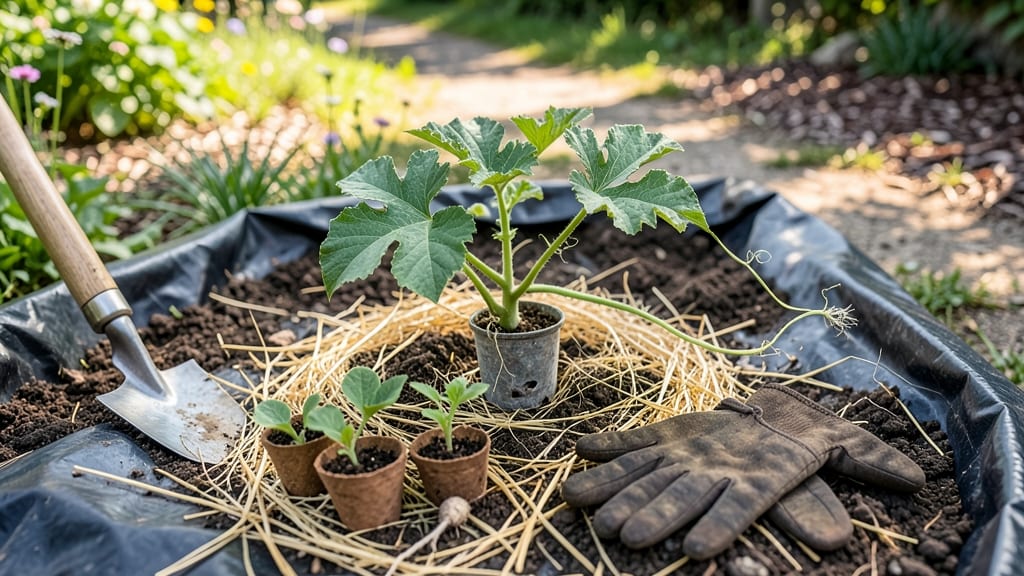
Planting watermelon in Texas isn't just about timing—it's about beating the heat while avoiding those cruel late-spring frosts that can wipe out your crop before it starts.
The best time to put those seeds in the ground depends on where you live in the Lone Star State, but getting it right means juicy, vine-ripping melons by summer's end.
I've learned the hard way that North Texas gardeners need to wait until mid-April when soil temperatures hit at least 70°F, while South Texas can start as early as late February. The key is watching for those last frost dates and soil warmth—watermelons hate cold feet.
Let me show you exactly how to time it for maximum success, no matter which part of Texas you call home.
Once you nail the planting window, the real magic happens with heat-tolerant varieties that thrive in our Texas summers. We're talking drought-resistant types that won't wilt when thermometers climb, plus pro tips for soil prep that'll have your melons growing like crazy.
Ready to turn your backyard into a watermelon paradise?
From choosing the right varieties to extending your harvest season with clever tricks, I'll walk you through every step. Whether you're a first-time gardener or a seasoned pro, these Texas-specific strategies will help you avoid common mistakes and end up with bigger yields than you've ever seen before.
Optimal planting months for Texas watermelon success (by region)
Texas' diverse climate means watermelon planting windows vary dramatically from North Texas to South Texas. In the Panhandle and North Central regions (like Lubbock or Amarillo), you'll need to wait until mid-April after the last frost date—typically around April 15-30—when soil temperatures consistently stay above 70°F.
These areas experience late spring frosts that can devastate young seedlings.
Meanwhile, Central Texas (Austin, San Antonio) has a slightly longer season, with ideal planting dates between late March and early April. The Hill Country can even start as early as mid-March if you're in a microclimate with warmer soil.
Always check your local USDA Plant Hardiness Zone (Zones 7b-9a) for precise frost dates.
For South Texas (Houston, Corpus Christi, Brownsville), the growing season starts much earlier—late February to early March. These regions benefit from warmer winters and can even squeeze in a fall planting for late-season harvests. The key is avoiding extreme heat during flowering, which can reduce pollination.
Here's where most Texas gardeners go wrong: they focus only on calendar dates instead of soil temperature. Watermelons won't germinate properly below 65°F, and vines struggle to establish in cooler than 70°F soil. Use a soil thermometer to confirm readiness—this simple tool prevents wasted effort.
| Texas Region | Optimal Planting Window | Soil Temp Requirement | Key Considerations |
|---|---|---|---|
| North Texas (Panhandle, Amarillo) | Mid-April to early May | 70°F+ consistently | Late frosts common; use row covers |
| Central Texas (Austin, San Antonio) | Late March to early April | 68°F+ minimum | Hill Country can start earlier |
| South Texas (Houston, Corpus Christi) | Late February to early March | 65°F+ for germination | Fall planting possible for late harvests |
| All Regions | Transplant seedlings after last frost | 70°F+ soil temp | Direct sow 1" deep, 3-6" apart |
Direct sowing is the preferred method for watermelons in Texas because transplants often struggle with root shock in our heat. Plant seeds 1 inch deep and 3-6 inches apart in hills spaced 5-6 feet apart. This spacing gives vines room to sprawl while preventing disease spread from overcrowding.
For gardeners in Zone 8b and below (like the Rio Grande Valley), you can experiment with early spring and fall plantings. The fall window typically runs from July to early September, giving melons time to mature before winter sets in.
Just be prepared for shorter daylight hours affecting growth rates.
One pro tip I've learned from Texas farmers is to plant a succession of seeds every 2 weeks within your optimal window. This staggered approach ensures a continuous harvest rather than one massive crop all at once. It's especially useful in Central and North Texas where summer heat arrives suddenly.
Finally, don't forget that Texas summers are brutal—even the hardiest watermelon varieties need protection from intense afternoon sun. Use light shade cloth (30-50% coverage) during the hottest months to prevent sunscald on young fruits. This simple trick can increase your yield by 20-30% in peak summer months.
Now that you've got your planting window locked down, the next step is choosing heat-tolerant varieties that thrive in Texas' extreme conditions. Let me walk you through the top 5 performers that consistently deliver in our Lone Star State gardens.
Optimal planting months for Texas watermelon success (by region)
Texas isn't one-size-fits-all when it comes to watermelon planting. The North Texas region (think Dallas-Fort Worth) has later frost dates than South Texas (Houston-San Antonio), meaning your planting window shifts dramatically.
For example, while South Texas can start as early as late February, North Texas gardeners should wait until mid-April to avoid frost damage. The key metric? Soil temperature—watermelons need at least 70°F to germinate properly.
Central Texas gardeners fall somewhere in between, with ideal planting dates between early March and early April. But don't rely solely on calendar dates—always check your local frost-free date and monitor soil warmth with a thermometer.
I've seen too many gardeners rush planting only to have their seeds rot in cold soil. Patience here pays off with faster vine growth and bigger melons.
Here's the critical breakdown you need to know before sticking your first seed in the ground:
| Region | Ideal Planting Window | Soil Temp Requirement | Key Consideration |
|---|---|---|---|
| North Texas | Mid-April to early May | 70°F+ | Later frost risk |
| Central Texas | Early March to early April | 65°F+ | Moderate heat tolerance |
| South Texas | Late February to March | 60°F+ | Early heat waves |
| All Regions | Last chance: July-August | N/A | Fall varieties only |
Direct sowing is the preferred method for Texas watermelons—transplants struggle with the root shock from our intense heat. Plant seeds 1 inch deep and 6-12 inches apart in hills, with 5-6 feet between hills.
I've found that black plastic mulch warms the soil faster and keeps weeds at bay, giving your melons a head start. For North Texas gardeners, consider using row covers for the first 2 weeks to protect young plants from unexpected late frosts.
Texas summers can be brutal, but watermelons actually thrive in heat once established. The real challenge comes when we get those 100°F+ heat spikes—this is where proper shade cloth (30-50%) becomes your best friend.
I've seen watermelon vines double in size when given afternoon shade during peak summer months. Pair this with deep watering (1-2 inches per week) and you'll be rewarded with sweeter, larger melons.
Remember, Texas watermelons need at least 75-90 days to mature, so time your planting accordingly. Early varieties like 'Sugar Baby' can be ready in 60-70 days, while larger types need the full season.
For a continuous harvest, I recommend staggering plantings every 2 weeks during your region's optimal window—this ensures you're never without fresh watermelons all summer long.