
Trees
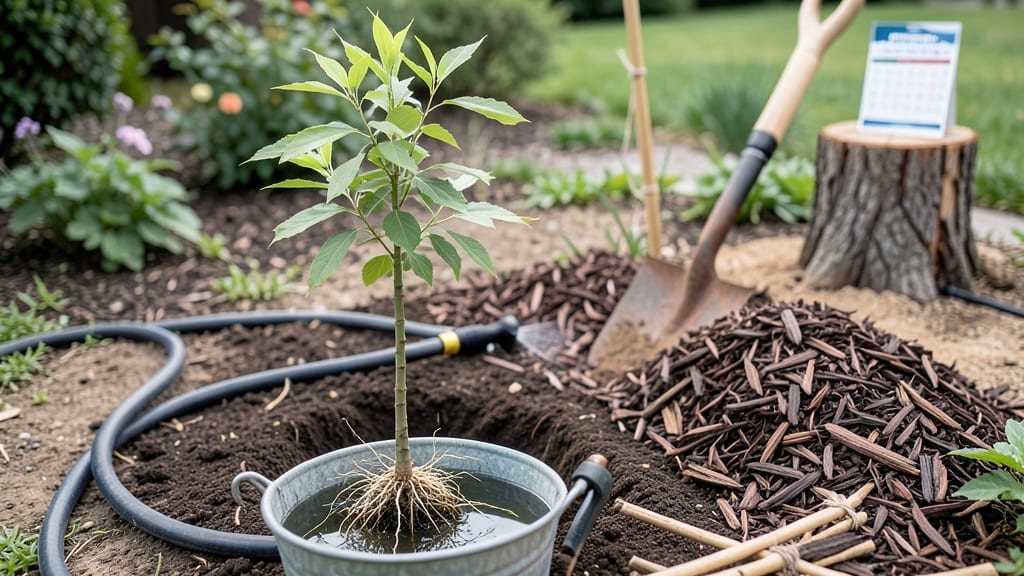
Utah’s optimal tree planting windows: spring vs fall rules by elevation zone
Utah’s three distinct elevation zones create wildly different planting conditions. In the low desert (USDA zones 7-9), like St. George, you can plant year-round when soil is workable, but spring (March-April) is ideal to avoid summer heat stress.
Meanwhile, high country (zones 5-6), such as Park City, demands late spring (May-June) planting to dodge late frosts that can linger until mid-June.
Most Utah gardeners focus on fall (October-November) and early spring (March-April) windows, but these rules shift dramatically with 1,000-foot elevation changes.
For example, fruit trees need chill hours—plant them in late fall (October) to satisfy dormancy needs, while oaks and pines thrive when planted in spring to avoid fungal risks from wet fall soils.
🌱 Did You Know? Utah’s Great Salt Lake effect creates a 10°F temperature swing just 20 miles inland—planting in Salt Lake City requires a 2-week earlier timeline than Ogden.
| Elevation Zone | USDA Zone | Best Planting Window | Key Considerations | Avoid Planting |
|---|---|---|---|---|
| Low Desert (0-4,000 ft) | 7-9 | March-April or October-November | Drought stress risk; mulch heavily | June-August (extreme heat) |
| Foothills (4,000-7,000 ft) | 6-7 | April-May or September-October | Late frosts possible; choose cold-hardy species | November-April (snow cover delays planting) |
| High Country (7,000+ ft) | 5-6 | May-June or August-September | Short growing season; prioritize fast root establishment | July-August (monsoon risks) |
For container-grown trees, Utah’s extended growing season in zones 7-9 lets you plant year-round, but bare-root trees must go in during dormancy periods—November-March for most species. My personal rule: If the ground is workable (not frozen or waterlogged), it’s a safe bet for planting.
Utah’s alkaline soils (pH 7.5-8.5) slow root growth in spring, so amend soil with sulfur 4-6 weeks before planting to create ideal conditions. In fall-planted trees, roots establish 30% faster because cooler temps reduce transplant shock.
Pro tip: Use frost-free date maps from the Utah Climate Center—their data shows Salt Lake City’s last frost averages April 15, but Heber’s can linger until May 10. Plant accordingly!
In high-elevation areas, prioritize windbreak planting in late summer (August) to give young trees a head start before winter winds. For low desert zones, shade cloth during summer months is non-negotiable for new plantings.
🌳 Remember: Utah’s microclimates can create 50°F temperature swings within 5 miles—always check local frost dates and soil moisture levels before committing to a planting schedule.
For fruit trees, late fall (October) planting is critical—they need 600-900 chill hours, and planting too late risks insufficient dormancy. Meanwhile, shade trees like cottonwoods can handle spring planting until June in desert zones.
5 Critical factors that determine your Utah tree planting success (beyond just season)
Timing your Utah tree planting right isn’t just about picking a month—it’s about understanding five hidden factors that can make or break your tree’s survival. Utah’s alkaline soils, flash droughts, and wind patterns create unique challenges that override calendar rules.
Let’s break down what truly matters beyond the season.
First, soil moisture is Utah’s biggest wild card. Unlike most states, Utah’s flash droughts can turn soil bone-dry in weeks. Planting in late fall gives roots time to establish before summer heat hits, but if you’re in Southern Utah’s red rock country, even fall rains can be unreliable.
Always check moisture 6+ inches deep before planting.
Second, wind exposure near the Great Salt Lake or mountain passes can dry out young trees faster than you’d expect. Russian olive and cottonwoods handle wind well, but delicate species like Japanese maples need shelter. Plant on the lee side of buildings or use windbreaks for the first growing season.
Third, Utah’s water table depth varies wildly. In the Wasatch Front, shallow groundwater helps roots establish quickly, but in rural areas, trees may struggle without deep watering systems. Always plant 2-3 times deeper than the root ball to encourage downward growth where moisture lingers.
Fourth, alkaline soils (pH 7.5+) are common in Utah and can lock out nutrients.
Test your soil before planting—if pH is above 7.5, amend with elemental sulfur or peat moss to create a neutral zone around roots. Mulberry and honey locust tolerate alkaline soil, but blue spruce may need extra help.
Finally, post-planting care is where most Utah gardeners fail. Even the best timing won’t save a tree if you overwater in winter or skip mulching. Apply 3-4 inches of mulch (not touching the trunk) and water deeply but infrequently—Utah’s freeze-thaw cycles can heave roots if soil stays soggy.