
Plants
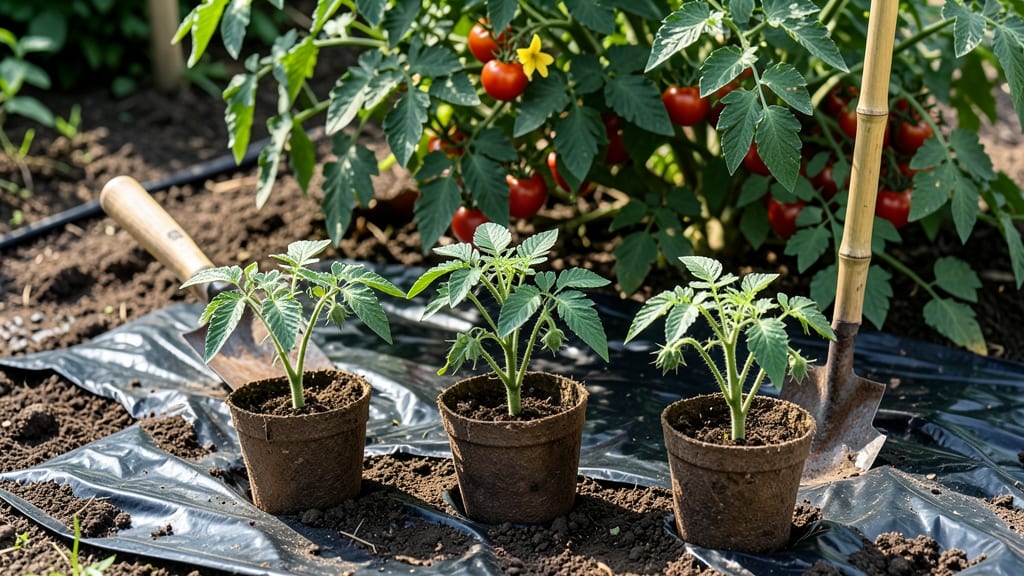
Planting tomatoes in Tennessee at the wrong time can leave you with wilted seedlings or a shortened harvest—but getting the timing right means juicy 🍅 fruits from June through October. The key isn’t just waiting for spring; it’s understanding your specific zone’s last frost date and soil temperature trends.
In USDA zones 6a-7b, most gardeners aim for April 15 to May 15, but that window shifts slightly depending on whether you’re in East Tennessee’s cooler hills or Middle Tennessee’s heat-prone valleys.
I’ll break down exactly when to start seeds indoors versus transplanting outdoors, plus how to stretch your harvest with staggered plantings.
You’ll also discover how to prep your soil for Tennessee’s unpredictable weather, from using black plastic mulch to protect against late frosts to choosing heat-tolerant varieties that thrive in our summer heat.
Whether you’ve got a backyard plot or just a balcony pot, these tips will help you avoid common mistakes and maximize your tomato game.
Ready to grow bigger, better tomatoes? Let’s dive into the perfect planting schedule that works for your corner of Tennessee—no more guesswork, just guaranteed success.
Tennessee’s tomato planting zones: when to start indoors vs. outdoors by region
Tennessee spans USDA hardiness zones 6a-7b, meaning your tomato planting timeline depends heavily on where you live in the state. East Tennessee’s higher elevations (like Knoxville) experience later last frosts, while West Tennessee’s warmer lowlands (like Memphis) can plant earlier.
Even within these zones, microclimates—like urban heat islands or sheltered valleys—shift your ideal planting window by 1-2 weeks.
For high-yield success, I recommend starting seeds indoors 6-8 weeks before your last frost date. This gives seedlings a head start while avoiding frost damage.
In East Tennessee (Zone 6a), that means starting seeds around March 15, while West Tennessee gardeners (Zone 7b) can begin as early as February 20. Middle Tennessee falls right in between, with ideal indoor starts around March 1.
Outdoor planting should never happen until soil temperatures reach 60°F+ and nighttime lows stay above 50°F. In most of Tennessee, this aligns with mid-April to mid-May, but urban areas like Nashville can plant 1-2 weeks earlier thanks to the urban heat island effect.
Always check local frost date averages—the National Weather Service or Tennessee State University Extension provide reliable data.
Here’s how to match your region to the right planting schedule:
| Region | USDA Zone | Indoor Start Date | Outdoor Planting Window | Key Consideration |
|---|---|---|---|---|
| East Tennessee | 6a | March 15–25 | May 1–15 | Later frosts; use row covers |
| Middle Tennessee | 6b–7a | March 1–15 | April 15–May 1 | Moderate heat; black plastic mulch helps |
| West Tennessee | 7b | February 20–March 10 | April 1–15 | Earlier soil warm-up; watch for humidity |
If you’re in a high-elevation area (e.g., Smoky Mountains), aim for late-May planting to avoid late spring frosts. Conversely, urban heat islands (like downtown Chattanooga) can push your window 2 weeks earlier.
Always monitor soil temperature with a soil thermometer—tomatoes won’t thrive in cold soil, even if air temps are warm.
For extended harvests, I recommend staggered planting: sow a second batch 2 weeks after your first outdoor planting. This ensures fruit ripens throughout the summer, even if early plants succumb to late-season heat stress.
In Tennessee’s climate, this tactic can add 4-6 weeks to your harvest window.
Container gardeners in Tennessee should start seeds 4-6 weeks later than in-ground planters because pots warm up slower. Use black containers to absorb heat and consider self-watering pots to maintain consistent moisture.
Urban Tennesseans can also extend their season by planting heat-tolerant varieties like ‘Solar Fire’ or ‘Heatmaster’ in late June for a fall harvest.
Pro tip: Mark your calendar for May 10–20 as the safest outdoor planting window for most of Tennessee. This gives you a buffer for late frosts while ensuring vines mature before summer’s intense heat sets in.
Always have row covers or frost cloth on hand—even in May, a 28°F night can devastate young plants.
🌱
How to time your tomato planting for Tennessee’s unpredictable weather patterns
Tennessee’s late spring frosts and summer heat spikes can sabotage even the most eager gardener’s tomato dreams. To beat these challenges, I’ve learned to use soil temperature checks and protective strategies that align with our state’s USDA Zones 6a-7b.
The key is planting when your soil warms to 60°F+ and nighttime temps stay above 50°F—typically mid-April to early May, but always verify with your local frost date averages.
For extra security, I start seedlings indoors 6-8 weeks before the last frost date. This gives me a head start and lets me transplant hardier plants as soon as the ground thaws.
In East Tennessee (Zone 6a), I aim for April 15, while West Tennessee (Zone 7b) gardeners can push to May 1 without much frost risk. Always check the National Weather Service or Tennessee State University Extension for real-time updates—weather patterns shift yearly!
Even after the official last frost date, cold snaps can linger. Here’s how to protect your plants:
- Use row covers (lightweight fabric) until nighttime temps stabilize above 50°F.
- Avoid planting near windy areas—cold air pools in low spots, increasing frost risk.
- Try black plastic mulch to warm soil faster and deter weeds.
🌱 Pro Tip: Test soil temp with a soil thermometer—tomatoes won’t thrive below 60°F.
If you’re in urban areas like Nashville or Chattanooga, container gardening offers flexibility. Smaller pots warm up faster, letting you plant 2-3 weeks earlier than in-ground gardens. Just ensure your containers have drainage holes and use heat-retentive materials like fabric grow bags.
I’ve had success with ‘Patio’ or ‘Tiny Tim’ varieties in 5-gallon pots, harvesting earlier than ground-planted tomatoes.
For extended harvests, I stagger my plantings: early varieties (like ‘Early Girl’) go in first, followed by mid-season (e.g., ‘Celebrity’) and late-season (e.g., ‘Brandywine’) 2-3 weeks later.
This ensures tomatoes ripening from June to October, even if summer heat slows production. Just watch for blossom-end rot—a classic Tennessee tomato woe caused by inconsistent moisture.
Don’t forget to monitor humidity during Tennessee’s sticky summers. High humidity + heat = fungal diseases like early blight. I space my plants 18-24 inches apart for airflow and water deeply in the morning to keep foliage dry.
Pruning suckers (those little shoots in the leaf axils) also improves airflow and directs energy to fruit production.
Finally, keep an eye on the 2024 Tennessee Climate Outlook. Droughts or heavy rains can shift planting windows. If your area faces unusually dry springs, consider drip irrigation or mulching with straw to retain moisture.
With these strategies, you’ll outsmart Tennessee’s weather and enjoy homegrown tomatoes from June until frost!