
Plants
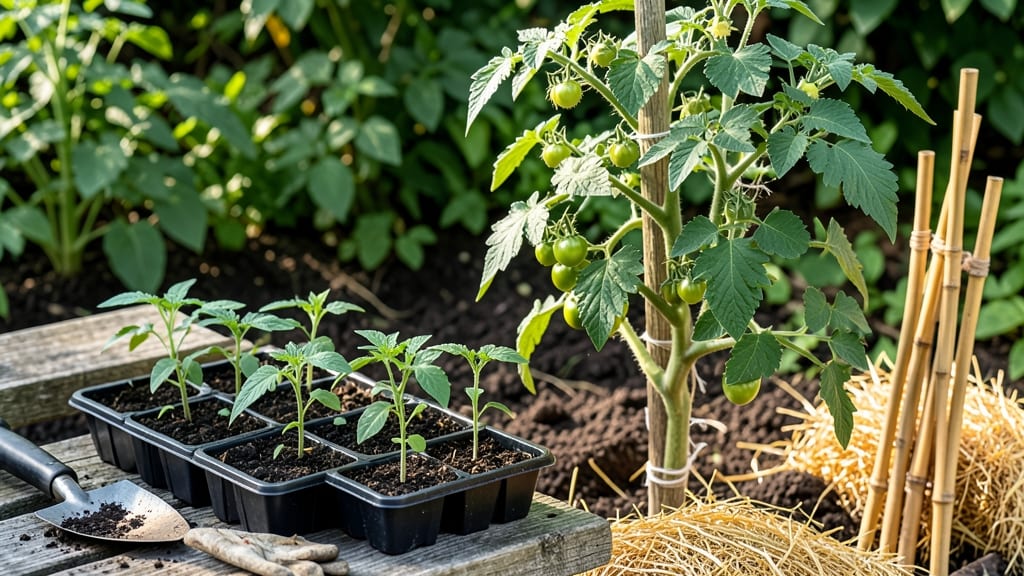
When is the best time to plant tomatoes in Ohio?—it’s not just about waiting for warm weather, but catching that narrow window between May 15 and early June when your 🍅 plants can thrive without frost risk or scorching heat.
I've learned the hard way that Ohio's Zone 6a climate demands precision: too early, and a late frost wipes out seedlings; too late, and your harvest shrinks before summer's end.
The key is understanding your microclimate—whether you're in northern Ohio's cooler pockets or the warmer southern regions—and adjusting your schedule accordingly.
What makes this even trickier? Soil temperature matters just as much as air temperature. You can't just wait for 60°F soil—you also need to harden off seedlings properly, choose the right varieties, and sometimes even use black plastic mulch to give your plants a head start.
In this guide, I'll break down exactly when to plant—whether you're starting seeds indoors, transplanting seedlings, or even container gardening for shorter seasons—so you can maximize your Ohio tomato harvest from June through October.
Ohio’s heat zone 5-6 planting windows: exact dates for transplants vs. seeds
Ohio’s USDA Heat Zones 5-6 mean your tomato planting window is short but sweet—typically April 20 to May 15 for most regions. But don’t just guess! The last average frost date varies by county, and planting too early (before 50°F soil temps) risks frost damage.
Southern Ohio (like Athens) can plant 2-3 weeks earlier than northern areas (like Cleveland).
For transplants (seedlings), wait until after May 1 in most of Ohio—this gives your plants a 120-day growing season before frost. If you’re starting seeds indoors, begin them 6-8 weeks before transplanting (so early March for Ohio).
Outdoor seeds need soil temps above 60°F and should go in after May 15.
Here’s the key: Northern Ohio (e.g., Toledo, Columbus) should aim for May 10-20, while Southern Ohio (e.g., Cincinnati, Lexington) can start April 25-May 10. Use Ohio State University’s frost-free date map to pinpoint your exact window.
🌱
| Factor | Transplants (Seedlings) | Direct Seeds |
|---|---|---|
| Best Planting Window | After May 1 (most Ohio) | After May 15 (soil 60°F+) |
| Soil Temperature | 50°F+ (warmer = faster growth) | 60°F+ (critical for germination) |
| Northern Ohio (e.g., Toledo) | May 10-20 (last frost ~May 5) | May 20-30 (soil warms slower) |
| Southern Ohio (e.g., Cincinnati) | April 25-May 10 (last frost ~April 15) | May 10-20 (earlier soil warmth) |
| Indoor Seed Start | March 1-15 (6-8 weeks before transplant) | N/A (direct sow only) |
| Frost Risk | High if planted before May 1 | Very high before May 15 |
Pro Tip: Use black plastic mulch to warm soil 2-3°F faster and extend your window by 1-2 weeks.
Why the difference between transplants and seeds? Seedlings are hardier and can handle cooler soil, while seeds need consistent warmth to sprout. If you’re in doubt, transplants are safer—just harden them off for 7-10 days before planting.
Ohio’s microclimates also play a role. Urban areas (like Columbus) may warm up faster than rural zones, while valleys (e.g., Appalachian regions) can stay colder longer. Check your local cooperative extension office for hyper-local advice.
For container gardening, you can plant 2 weeks later than in-ground tomatoes since pots warm up slower. But move containers to a south-facing porch or greenhouse to protect them from late frosts.
🌿
Remember: Stagger your plantings by 2 weeks for a continuous harvest. If you plant all your tomatoes at once, you’ll get a glut of fruit in July and none in September. Spread it out for summer-long tomatoes!
Finally, monitor your nighttime temperatures. Tomatoes need 55°F+ nights to thrive. If a cold snap hits after planting, cover seedlings with frost cloth or a row tunnel.
☀️
5 Critical factors that determine your tomato planting success in Ohio
Ohio’s unpredictable spring weather can turn a great tomato harvest into a gamble if you don’t account for key factors. I’ve planted tomatoes here for years, and these five variables make the difference between thriving plants and frost-nipped failures.
Let’s break them down so you can time your planting with confidence.
First, soil temperature is non-negotiable. Tomatoes need soil that’s at least 60°F (15°C) to germinate properly. In Ohio, this typically happens after April 15 in most regions, but northern areas like Toledo may wait until May 1. Use a soil thermometer to check—cold soil delays growth and invites disease.
Next, nighttime temperatures are often overlooked but critical. Tomatoes struggle when nights dip below 50°F (10°C). In Ohio, this happens frequently in early May, especially in northern zones.
I’ve seen seedlings wilt dramatically overnight only to recover—until they don’t. Use row covers or plant heat-loving varieties like ‘Early Girl’ if you’re pushing the timeline.
Don’t forget heat maps and microclimates. Ohio’s climate varies wildly: Columbus averages 10 days earlier for last frost than Cleveland. Check the Ohio State University Extension’s frost maps and adjust your schedule.
Urban areas like Cincinnati often warm 3–5 days faster than rural zones due to the "urban heat island" effect. If you’re unsure, plant a test row of fast-maturing ‘Cherry Tomato’ varieties to gauge your microclimate.
Finally, staggered planting is your secret weapon for a longer harvest. Instead of one big planting, space out your tomatoes every 2 weeks after your first batch. This ensures you’re always picking ripe fruit while older plants fade.
For example, plant ‘Better Boy’ on May 1, then again on May 15 and May 30. By July, your first plants will be loaded with fruit while the later ones are just getting started.
Pro tip: Use black plastic mulch to warm soil faster and extend your planting window by 1–2 weeks. It also suppresses weeds and keeps moisture consistent—perfect for Ohio’s unpredictable rain. Just remove it in late summer to prevent overheating before harvest.
By mastering these five factors, you’ll turn Ohio’s fickle spring into a tomato-growing goldmine. And remember: the best time to plant isn’t just about dates—it’s about reading your specific corner of Ohio like a pro.