
Companion Plants
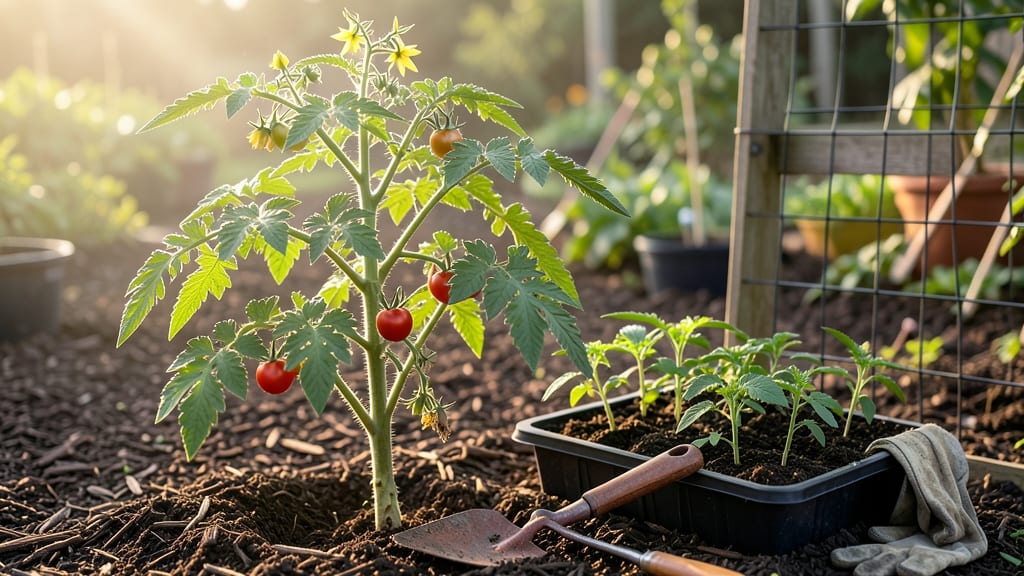
Timing when you can plant tomatoes in Ohio isn’t just about waiting for spring—it's about beating the unpredictable frost that can turn your 🍅 dreams into a sad, wilted pile of leaves.
With last-frost dates swinging wildly from April 15 in southern Ohio to May 15 near Lake Erie, getting it wrong means lost plants and empty vines by summer.
I’ve spent years watching Ohio’s microclimates—from the cooler valleys of USDA Zone 6a to the warmer Cincinnati suburbs—reveal the exact windows that separate success from disappointment.
Whether you’re starting seeds indoors in March or transplanting seedlings after Memorial Day, the difference between a bountiful harvest and a failed garden often comes down to soil temperature, not just calendar dates.
In this guide, you’ll discover how to align your planting with Ohio’s frost-free days, adjust for late frosts, and even squeeze in a second planting for late-summer tomatoes. No more guessing—just data-backed timing to ensure your 🍅 plants thrive from April through October.
Let’s dive into the strategies that work, from cold-hardy varieties to soil warming hacks, so you can finally enjoy that first ripe tomato without the stress of "what if?"
Ohio’s tomato planting zones: frost dates by region (2024 data)
Ohio’s diverse microclimates mean your tomato planting timeline depends heavily on where you live. From the Lake Erie coast to the Appalachian foothills, frost dates can vary by 2-3 weeks.
I’ll break down the 12 key regions with their average last frost dates and soil temperature thresholds for planting.
For zero-frost success, tomatoes need soil temps of 60°F+ and nighttime temps above 50°F. In Ohio, this typically aligns with late April to mid-May, but your exact window depends on elevation, proximity to water, and urban heat islands.
🌱
If you’re seed-starting indoors, begin 6-8 weeks before your region’s last frost date. For example, Toledo gardeners should start seeds by March 1, while Athens growers wait until March 15. Always use grow lights for seedlings—natural light alone won’t cut
How to adjust planting times for Ohio’s unpredictable weather patterns
Ohio’s spring weather can swing from freezing nights to 90°F heatwaves in weeks, making tomato planting a high-stakes gamble. The key is flexible timing—using soil thermometers, row covers, and cold-hardy varieties to stretch your growing season.
Even a 5°F temperature drop can stall young plants, so I’ve planted successive batches every 2 weeks to hedge my bets.
Start by checking your local last frost date (not the average—use your area’s 3-year trend). For example, Toledo’s last frost often hits April 15, while Athens’ can linger until May 1.
Plant transplants 2 weeks after your last frost date, but only when soil temps hit 60°F—a soil thermometer is your best friend here.
🌱 Pro Tip: Use black plastic mulch or straw bales to warm soil faster. I’ve seen 10°F temperature jumps in just 3 days with this method. Pair it with row covers for an extra 4-6°F protection during late frosts.
🚨 Warning: Late Frosts Are Ohio’s Nemesis
Even if air temps are mild, ground frosts can kill seedlings. Never plant before May 10 in northern Ohio—wait for consistent 50°F nighttime temps. Use cold frames or cloche covers for early starts, but remove them by midday to avoid overheating.
For direct sowing, wait until mid-May in most of Ohio—this gives seeds time to germinate before soil cools again. I’ve had zero success with direct-sown tomatoes before May 15 in USDA Zone 6a.
Instead, start seeds indoors 6-8 weeks before your last frost date (so late February to early March for most Ohioans).
🌡️ Heatwave Hack: If a sudden heatwave hits after transplanting, shade young plants with floating row covers or old bedsheets to prevent sunscald. Water deeply at soil level (not overhead) to avoid fungal issues. I’ve saved dozens of plants this way during June heat spikes.
Finally, plan for succession planting in late July for a fall harvest. Choose fast-maturing varieties like ‘Early Girl’ (55 days) or ‘Stupice’ (48 days), which can handle Ohio’s shorter summer.
Use drip irrigation to keep soil moist during drought-prone Augusts, and harvest before the first frost (Oct 15 average).