
Plants
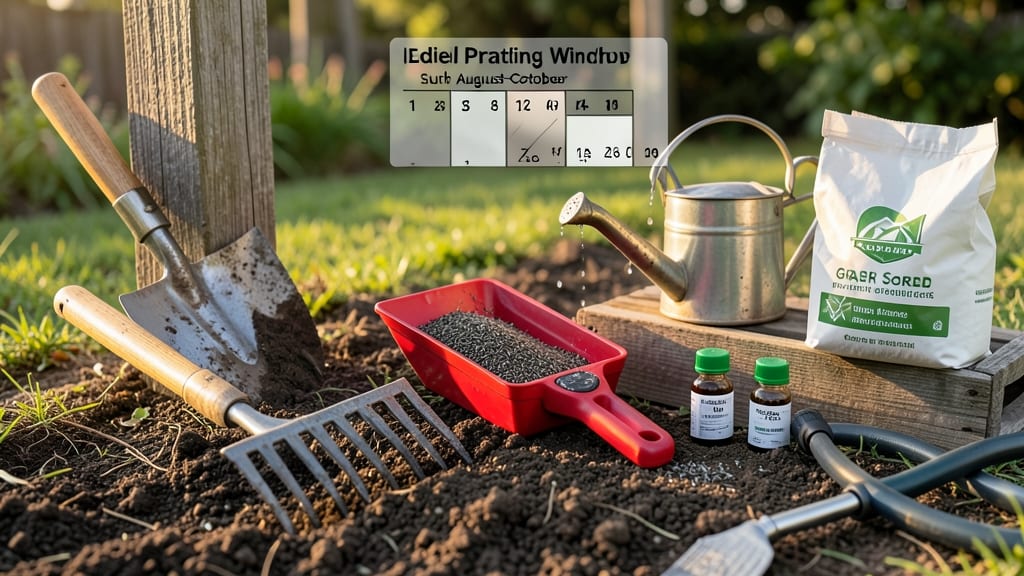
Planting grass seed in South Carolina at the wrong time can turn your green dreams into a patchy, weedy mess—so getting the timing right is everything for a lush, healthy lawn.
The state’s humid subtropical climate means cool-season and warm-season grasses each have their own ideal windows, and missing them can leave you with slow growth or wasted money.
Whether you're in the cooler Upstate 7b-8a zones or the warmer Coastal areas, the key is understanding when soil temperatures and weather align perfectly for your 🌱 grass type. Late summer and early fall are prime for cool-season varieties like fescue, while warm-season grasses like Bermuda thrive in late spring.
Let’s break down the science—and avoid those costly mistakes—so you can plant with confidence.
You’ll discover exactly when to plant for your specific region, how to prep your soil for success, and the 3 critical mistakes that ruin lawns every year. No more guessing—just a step-by-step guide tailored to South Carolina’s unique climate. Ready to transform your yard? Let’s get started.
From soil thermometers to weed barriers, we’ll cover all the pro tips that make the difference between a thin, struggling lawn and one that’s the envy of your neighborhood. Your perfect green space begins with the right timing—and this is how you nail it.
South Carolina grass planting calendar: cool-season vs warm-season timing rules
South Carolina’s humid subtropical climate demands precision when planting grass seed. The best time to plant depends entirely on whether you’re using cool-season or warm-season grasses, each with distinct soil temperature requirements.
Cool-season varieties like tall fescue and ryegrass thrive when soil temperatures dip below 65°F (18°C), while warm-season grasses such as Bermuda and Zoysia need soil above 65°F (18°C) to germinate properly.
Timing isn’t one-size-fits-all across the state. Upstate regions (like Greenville or Spartanburg) experience cooler springs and falls, while Coastal areas (such as Charleston or Myrtle Beach) stay warm longer.
Even within 50 miles, microclimates can shift planting windows by 2–4 weeks. Getting this wrong often leads to poor germination, weed competition, or uneven growth.
🌱 Here’s the science behind perfect timing: Cool-season grasses establish roots before winter, while warm-season varieties need heat to activate growth. South Carolina’s last frost date (mid-March) and first frost date (mid-November) bookend the ideal windows—but soil temperature, not air temperature, determines readiness.
For example, tall fescue in the Upstate should be planted by early October to establish roots before winter, while the same grass in Charleston can wait until November due to milder temperatures.
Conversely, Bermuda grass in Greenville won’t germinate well until late May, but Coastal gardeners can start as early as April.
🌡️ Soil temperature is your best guide—never rely on air temperature alone. A soil thermometer (available for $10–$15 at garden centers) is a game-changer. Plant cool-season grasses when soil temps drop below 65°F, and warm-season varieties when they rise above 65°F.
This simple tool prevents costly mistakes like planting too early (seeds rot) or too late (weeds take over).
Pro Tip: If you’re unsure about your local microclimate, check with your local Cooperative Extension Service. They provide free soil tests and hyper-local planting advice tailored to your zip code. For instance, Clemson University Extension offers detailed guides for Upstate regions, while Clemson Coastal Research
5 Critical mistakes to avoid when planting grass seed in South Carolina
Getting the timing right is just the first step—South Carolina’s humid climate and aggressive weeds can quickly derail even the best-laid grass-seeding plans. I’ve seen too many lawns fail because of avoidable mistakes, from poor soil prep to ignoring local pests.
Let’s break down the top 5 pitfalls and how to fix them before they ruin your lawn.
First, skipping soil testing is a silent killer. South Carolina’s clay-heavy soils often need adjustments: lime for cool-season grasses (to raise pH) or sulfur for warm-season varieties (to lower pH).
Test your soil 4–6 weeks before planting—ideal ranges are 6.0–7.0 for cool-season and 5.5–6.5 for warm-season. A simple kit costs around $20 and saves you from wasted seed.
⚠️ Overwatering new seed is another common blunder. Too much water washes seeds away or causes them to rot. Instead, water lightly 2–3 times daily (5–10 minutes each) to keep soil moist but not soggy. Use a fine-mist sprinkler and check moisture with your finger—top inch should feel damp, not wet.
Planting without a weed barrier invites crabgrass and nutsedge, which thrive in South Carolina’s heat. Apply a pre-emergent herbicide 2 weeks before seeding, but choose products labeled for cool-season vs. warm-season grasses. For organic options, use corn gluten meal as a natural pre-emergent.
Don’t ignore shade patterns—warm-season grasses like Bermuda struggle in deep shade. If your lawn has shady spots, mix 10–15% fine fescue into your cool-season blend. Fine fescue tolerates shade better and fills in gaps where Bermuda or Zoysia would fail.
Finally, using low-quality seed is a false economy. Cheap seed often contains fillers or weak varieties that won’t survive South Carolina’s humidity. Invest in certified seed with at least 80% pure live seed (PLS). Brands like Pennington or Scotts offer region-specific blends designed for our climate.
🚨 Top 5 Mistakes to Avoid
Test pH 4–6 weeks before planting. Cool-season needs 6.0–7.0; warm-season prefers 5.5–6.5.
Water lightly 2–3x/day (5–10 mins). Avoid flooding—use a fine-mist sprinkler.
Apply pre-emergent herbicide 2 weeks before seeding. Use cool/warm-season specific products.
Mix 10–15% fine fescue for shady areas. Warm-season grasses struggle in deep shade.
Use certified seed with 80%+ pure live seed (PLS). Avoid fillers that won’t survive humidity.
One more warning: chinch bugs are a nightmare for warm-season grasses. If you spot yellow patches with tiny black bugs, treat immediately with imidacloprid or neem oil. These pests multiply fast in South Carolina’s heat—don’t wait until your lawn is half-dead to act!
By avoiding these mistakes, you’ll give your grass seed the fighting chance it needs to thrive. Next, we’ll dive into how regional differences across Upstate and Coastal South Carolina can tweak your planting strategy—because what works in Greenville won’t always work in Charleston.