
Plants
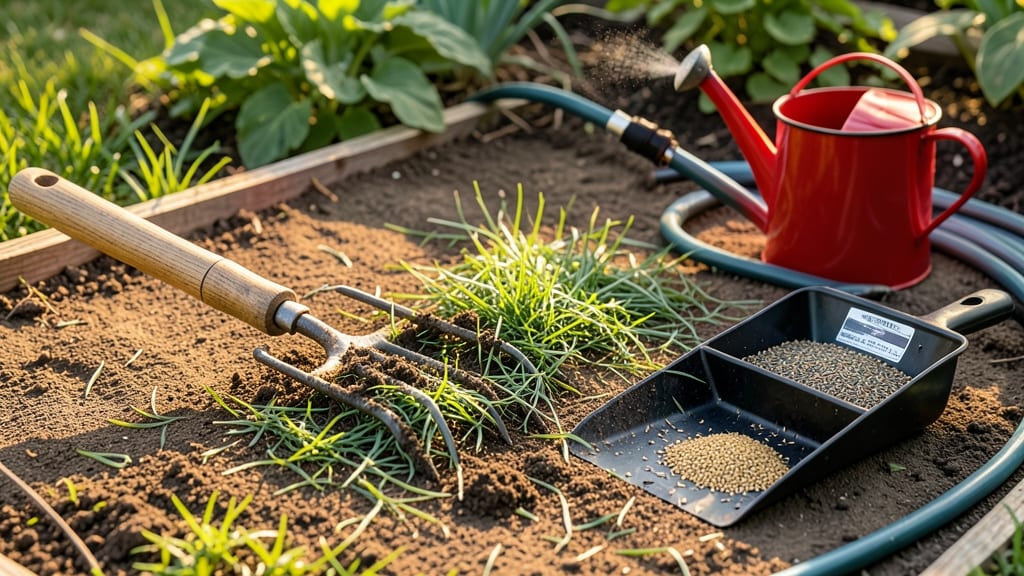
Planting grass seed at the wrong time in Connecticut can leave you staring at a patchy lawn instead of the lush green carpet you dream of—especially in USDA Zone 6B where timing is everything.
The difference between success and frustration often comes down to knowing when to start, and the answer isn’t as simple as “spring.”
Cool-season grasses like Kentucky Bluegrass and Fine Fescue thrive when planted in early spring (March-April) or fall (September-October), but rushing too early or waiting too late can sabotage your efforts. Connecticut’s unpredictable frost dates—mid-April and mid-October—mean you’ve got a narrow window to get it right.
In this guide, I’ll break down the best months to plant, how to prep your soil for maximum germination, and what to watch for to avoid common mistakes.
Whether you’re seeding a new lawn or patching bare spots, these tips will help you grow a thick, resilient turfgrass that stands up to Connecticut’s climate.
Ready to skip the guesswork? Let’s dive into the perfect timing and care routine for a lawn that’ll make your neighbors jealous.
Optimal planting windows for Connecticut grass seed in 2024: early spring vs. fall
Connecticut’s USDA Zone 6B climate creates a unique window for planting grass seed—one that balances spring warmth and fall coolness. Unlike warmer climates, Connecticut’s cool-season grasses (like Kentucky Bluegrass and Fine Fescue) thrive when planted in either early spring or early fall.
Timing matters because soil temperatures below 50°F or above 80°F can stunt germination, leading to patchy lawns.
For 2024, I recommend focusing on two prime periods: March to April (early spring) and September to early October (fall). These windows align with Connecticut’s last frost date (mid-April) and first frost date (mid-October), giving seeds the best chance to establish roots before extreme weather hits.
Let’s break down why these seasons work—and how to avoid common pitfalls.
| Season | Ideal Months | Soil Temp | Pros | Cons |
|---|---|---|---|---|
| Early Spring | March–April | 50–65°F | Warm days, cool nights; fewer weeds | Late frosts may delay germination |
| Early Fall | September–Early October | 60–70°F | Cooler temps reduce stress; strong root growth | Early frost can kill seedlings |
In early spring, Connecticut’s soil warms up just enough to encourage rapid germination while avoiding the heat stress of summer. Aim to plant 4–6 weeks before your last frost date—typically by late March to early April.
This gives seeds time to sprout before weeds (like crabgrass) take over. I’ve seen lawns planted in mid-April struggle with uneven growth because late frosts can still occur.
Conversely, fall planting is my top recommendation for Connecticut gardeners. The cool, moist air of September and early October creates ideal conditions for grass roots to establish deeply before winter. Plant 6–8 weeks before the first frost—usually by mid-September—to ensure seeds germinate and grow strong before temperatures drop.
Fall-planted lawns often outperform spring ones because they avoid summer drought and heat stress.
If you’re torn between seasons, consider your grass seed variety. Cool-season grasses (like Kentucky Bluegrass or Tall Fescue) dominate Connecticut lawns and thrive in both windows. Warm-season grasses (like Bermuda) are rare here and require late spring planting—but they’re not ideal for Zone 6B’s climate.
Stick with cool-season blends for the best results.
Pro tip: Check Connecticut’s 2024 frost forecast (available from the National Weather Service) for precise dates. In my experience, fall planting yields the thickest, most resilient lawns—just ask my neighbors whose lawns turn vibrant green by next summer! ☀️
Now that you’ve got the timing down, let’s tackle soil prep—because even the best seeds won’t thrive in compacted or acidic soil.
Stay tuned for my next section on Connecticut-specific soil preparation, where I’ll cover pH testing, weed removal, and tilling techniques to set your lawn up for success. 🌱
Optimal planting windows for Connecticut grass seed in 2024: early spring vs. fall
Connecticut’s USDA Zone 6B climate creates a narrow window for planting cool-season grass seed—the best choice for your lawn. The two golden periods are early spring (March-April) and early fall (September-October). These times align with soil temperatures between 50°F and 75°F, perfect for germination.
In early spring, plant as soon as the ground thaws (typically late March to mid-April), but avoid waiting until May when summer heat arrives. For fall planting, aim for late August to early October—this gives grass roots time to establish before winter dormancy.
Missing these windows risks poor germination or weed invasion.
| Planting Window | Ideal Months | Soil Temp | Key Advantages |
|---|---|---|---|
| Early Spring | March–April | 50°F–65°F | Warmer soil than late fall, fewer weeds |
| Early Fall | September–October | 60°F–75°F | Cooler temps reduce stress, strong root growth |
For early spring, focus on Kentucky Bluegrass or Fine Fescue blends—they thrive in Connecticut’s climate. In fall, prioritize Tall Fescue for its drought resistance. Both seasons offer 4–6 weeks of ideal conditions before extreme heat or frost arrives.
Pro tip: Check your last frost date (typically mid-April) and plant 4–6 weeks before to avoid late-season heat stress. Use a soil thermometer to confirm temps are above 50°F—cold soil delays germination by weeks.
If you miss these windows, consider overseeding in late summer (August) to patch bare spots before winter. Just remember: warm-season grasses (like Bermuda) won’t thrive in Connecticut’s climate—stick to cool-season varieties for year-round success.
Timing isn’t everything, but in Connecticut’s unpredictable weather, it’s the difference between a thin, patchy lawn and a thick, vibrant carpet by summer. Mark your calendar now! 🌱