
Plants
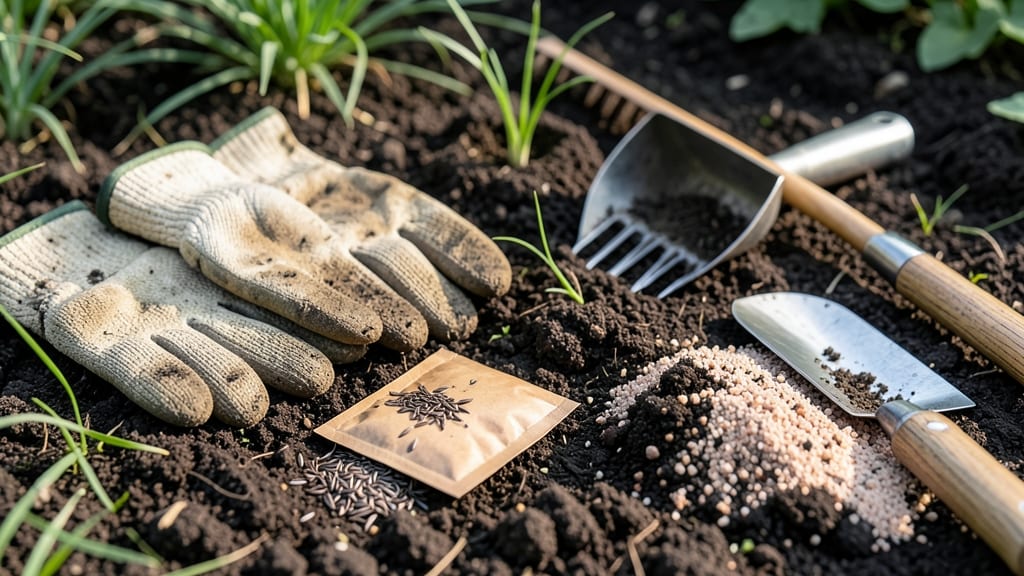
To plant grass in the fall for a stronger lawn next spring, timing is everything—and getting it wrong can mean weak roots or winter damage. The ideal window is 4-6 weeks before the first frost, when soil temperatures hover between 50–65°F for cool-season grasses like fescue or ryegrass.
Why does this matter? Fall planting gives your 🌱 Grass (Lawn) time to establish roots before winter dormancy, so it wakes up greener and more resilient in spring. But rush it, and frost can stall growth; wait too long, and weeds will outcompete your new seeds.
I’ll break down exactly when to plant based on your region, how to test soil temperature, and the 5 critical steps to prep your lawn for success. Whether you’re in USDA Zone 6a or further south, these tips will help you avoid common mistakes and get the best results.
Ready to transform your lawn? Let’s dive into the perfect fall planting schedule—so you can enjoy a lush, healthy yard come spring.
Optimal soil temperature ranges for fall grass planting by region
Fall is the perfect time to plant cool-season grasses like Kentucky bluegrass, tall fescue, and ryegrass because cooler air and soil temperatures reduce stress on young seedlings.
But timing isn’t one-size-fits-all—your success hinges on soil temperature, not just air temperature. Aim for soils between 50–65°F (10–18°C) for ideal germination and root growth.
Northern regions (USDA Zones 3–5) should plant 4–6 weeks before the first frost, typically in late August to early October. Southern states (Zones 6–9) have more flexibility, often planting until mid-November, but avoid planting when nighttime temps drop below 50°F—this can stunt growth.
To test your soil temperature, use a soil thermometer (insert 2 inches deep) in the shade. If temps are too high (above 70°F), wait 1–2 weeks for cooling. If too low (below 45°F), you’ve missed the window—roots won’t establish before winter.
Here’s why soil temp matters: Cool-season grasses need warm-enough soils to germinate but not so hot that they dry out. Warm-season grasses (like Bermuda or Zoysia) should never be planted in fall—they go dormant and won’t survive winter.
Regional differences are critical. In New England or the Midwest, September is ideal, while Texas or Florida can plant into November. Always check your local frost dates and adjust your timeline accordingly.
Pro tip: Use a planting calendar or weather app to track soil temps. Many universities (like Purdue or Clemson) offer free regional guides—bookmark these for future reference!
If you’re in a transition zone (like Virginia or Tennessee), where summers are hot but winters mild, aim for early September planting. These areas can sometimes extend the window into early December, but monitor frost forecasts closely.
Remember: The goal is to give grass 4–6 weeks of growth before winter dormancy. If planted too late, roots won’t establish, and your lawn will struggle in spring. Use a weather app
How to prepare your lawn for fall grass planting in 5 critical steps
Fall is the perfect time to plant grass because cooler temperatures and increased rainfall create ideal conditions for seed germination. But before you scatter those seeds, your lawn needs the right foundation.
Skipping prep steps can lead to poor germination, weeds taking over, or weak grass that struggles in spring. Here’s my step-by-step guide to setting up your lawn for success—no guesswork involved.
First, test your soil’s pH using a home test kit (available at garden centers for under $10). Most cool-season grasses thrive in a pH range of 6.0 to 7.0. If your soil is too acidic (below 6.0), amend it with pelletized lime 4–6 weeks before planting.
For alkaline soil (above 7.0), work in sulfur or peat moss to lower the pH. This adjustment gives your grass roots the best chance to establish quickly.
Use a kit to check pH. Aim for 6.0–7.0 for cool-season grasses. Adjust with lime (for acidic soil) or sulfur (for alkaline soil) 4–6 weeks before planting.
Next, remove existing weeds and debris—this isn’t just about looks. Weeds compete with grass seeds for nutrients and water, stealing resources your new lawn desperately needs. Use a sharp rake or dethatching tool to pull up weeds by the roots, then rake the area smooth.
For stubborn weeds like crabgrass, apply a pre-emergent herbicide 2–3 weeks before planting (but check the label to ensure it’s safe for your grass type).
Rake out weeds and thatch. For tough weeds, use a pre-emergent herbicide 2–3 weeks before planting. Aim for a clean, smooth seedbed.
Now, loosen the top 2–3 inches of soil with a garden rake or tiller to create a seed-friendly surface. Compacted soil prevents roots from penetrating deeply, which is critical for drought resistance.
If your soil is heavy clay or sandy, mix in 2–3 inches of compost to improve texture and fertility. This step ensures your grass seeds have the space and nutrients they need to germinate within 7–21 days, depending on the variety.
Break up compacted soil with a rake or tiller. Add compost (2–3 inches) for better drainage and fertility. Aim for a crumbly texture.
Choose the right grass seed for your climate and lawn use. Cool-season grasses like tall fescue, Kentucky bluegrass, and perennial ryegrass are ideal for fall planting in most of the U.S. Warm-season grasses (like Bermuda or Zoysia) should be planted in late spring or early summer instead.
For best results, select a seed blend that includes disease-resistant varieties and matches your region’s hardiness zone. Sprinkle seeds evenly at the rate recommended on the package (usually 5–10 lbs per 1,000 sq ft).
Pick cool-season grass (e.g., fescue, bluegrass). Use 5–10 lbs per 1,000 sq ft. Spread evenly with a broadcast spreader for uniform coverage.
Finally, cover seeds lightly with soil or compost (about ¼ inch deep) to protect them from drying out and birds. Then, water gently but thoroughly to keep the soil moist but not soggy.
Aim for 1 inch of water per week, splitting it into two sessions (morning and evening). Avoid heavy foot traffic until the grass reaches 3–4 inches tall—this prevents seed displacement and root damage.
With these steps, your fall-planted grass will have a strong root system ready to thrive in spring.