
Plants
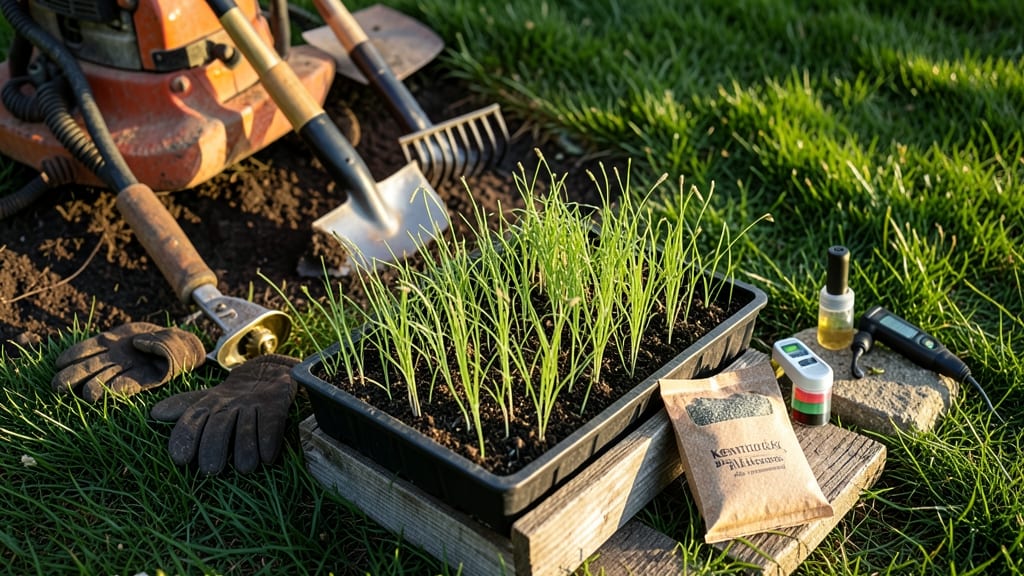
Planting grass in North Carolina at the wrong time can mean weak roots, patchy growth, and a lawn that never quite lives up to its potential. The best time isn't just about checking the calendar—it's about soil temperature, which varies dramatically across the state's 6a-8b zones.
I've learned the hard way that rushing grass seed into cold soil or waiting too long into summer heat can turn a fresh lawn into a costly mistake. Whether you're in the Piedmont's rolling hills or the coast's humid climate, timing matters more than most gardeners realize.
Let me show you exactly when to plant for fast root establishment and a lush, resilient lawn.
Spring and fall are your golden windows, but there's a science to it—like waiting until the soil hits 60°F for spring planting. I'll break down the ideal months for your specific region, plus pro tips to outsmart North Carolina's unpredictable weather patterns. Ready to grow grass that actually thrives?
From soil prep to post-planting care, we'll cover everything you need to know to avoid common pitfalls. Whether you're seeding a new yard or repairing bare spots, these insights will help you plant with confidence. Let's get started!
North Carolina grass planting timeline by soil temperature (not just dates)
North Carolina’s diverse climate zones (6a-8b) mean your last frost date could be March 15 in the mountains or April 15 along the coast—but soil temperature matters more than calendar dates.
Grass seeds need consistent 60°F soil temps to germinate properly, and waiting for this threshold avoids wasted seed and weak roots.
In spring, aim for March-April planting when soil warms to 60°F+ consistently. For fall planting, August-September is ideal before first frost (typically November 15 in Zone 7a).
The Piedmont region often hits these temps 2-3 weeks earlier than the mountains, while coastal areas may need to adjust for humidity delays.
Don’t guess—use a soil thermometer ($10 at garden centers) to check temps 6 inches deep (where roots grow). Morning readings between 9-11 AM are most accurate. If temps dip below 50°F at night, cover new seed with lightweight straw mulch to protect tender sprouts.
Here’s how North Carolina’s three major regions differ in planting windows:
| Region | Ideal Planting Window | Soil Temp Goal | Key Challenge |
|---|---|---|---|
| Mountains (Zone 6a-7a) | Late April–Early May (spring) / Late August (fall) | 60°F+ for 7+ days | Late frosts; shorter growing season |
| Piedmont (Zone 7a-7b) | Mid-March–Early April (spring) / Mid-August (fall) | 60°F+ for 5+ days | Humidity delays germination |
| Coastal (Zone 8a-8b) | February–March (spring) / September (fall) | 60°F+ for 3+ days | Salty air; compacted soil |
Pro tip: If you’re in Zone 7a or warmer, you can overseed in late fall (October) for a winter-green lawn, but avoid planting after September 15—new grass won’t root before frost.
For warm-season grasses (like Bermuda), wait until soil temps hit 70°F+ in late spring to avoid heat stress.
Test your soil’s readiness with this 3-step check: 1. Dig a 6-inch hole and feel the soil—it should be crumbly and warm (like a baked potato). 2.
Use a soil thermometer for 3 consecutive days at 9 AM. 3. If temps fluctuate below 60°F at night, delay planting by 1-2 weeks.
Remember: Spring planting gives grass 3-4 months to establish before summer heat, while fall planting avoids drought stress. Both windows work—just don’t rush when soil is too cool. Patience now means a thicker, greener lawn next season.
🌱
Best grass seed types for North Carolina’s seasons (cool vs. warm season)
North Carolina’s diverse climate—from the coastal plains to the mountains—means choosing the right grass type is just as important as timing. Cool-season grasses thrive in spring and fall, while warm-season varieties dominate summer months. Let’s break down the best options for your NC lawn.
For cool-season grasses, tall fescue is the top pick in NC, especially in higher elevations. It handles foot traffic well and stays green longer into fall. Kentucky bluegrass is another favorite but needs more water and care—ideal for home lawns in Zone 6a-7a.
| Grass Type | Best Planting Window | NC Regions | Key Traits |
|---|---|---|---|
| Tall Fescue | Early spring (March-April) or fall (Aug-Sept) | Mountains, Piedmont | Drought-tolerant, deep roots, stays green late fall |
| Bermuda | Late spring (May) or early summer (June) | Coastal plains, Piedmont | Heat-loving, needs full sun, goes dormant in winter |
| Zoysia | Late spring (May-June) | Coastal, Piedmont | Low-maintenance, drought-resistant, slow to establish |
| Centipede | Late spring (May-June) | Coastal plains (Zone 8a-9a) | Low-fertility tolerant, slow-growing, needs acidic soil |
If you’re in Zone 8a or warmer, warm-season grasses like Bermuda or Zoysia will dominate your lawn from late spring to fall. These thrive in hot, dry conditions but go dormant in winter, turning brown until spring warmth returns.
For year-round green, consider overseeding your warm-season grass with cool-season ryegrass in late fall. This creates a transition lawn that stays lush through NC winters while still benefiting from warm-season durability.
Pro tip: Test your soil before planting—NC’s coastal areas often need acid-loving grasses like Centipede, while mountain regions prefer tall fescue for its cold hardiness. Adjust your seed mix based on your microclimate.
Don’t forget: Warm-season grasses need full sun (6+ hours daily), while cool-season types can handle partial shade. Match your grass type to your yard’s sunlight for best results. 🌱