
Companion Plants
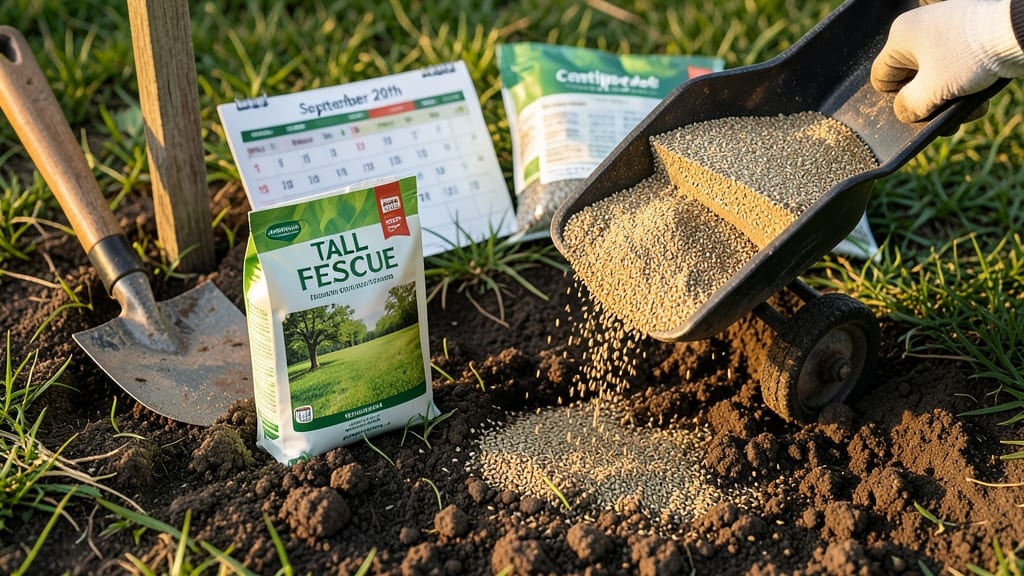
Planting grass in Georgia at the wrong time can turn your dream lawn into a battleground of weeds and patchy growth—especially when you mix up cool-season and warm-season turf.
The key to lush, resilient grass lies in understanding when to plant each type, because Georgia’s climate zones 7b-8a demand precision timing to outsmart heat, humidity, and frost.
Cool-season grasses like fescue thrive when soil temperatures dip below 65°F, while warm-season varieties such as Bermuda need the ground to warm above 60°F—and getting those windows wrong means struggling with slow germination or fungal infections.
I’ve spent years perfecting the timing for both, and the difference between a thick, vibrant lawn and a struggling patchwork often comes down to these two critical windows.
In this guide, you’ll learn the exact months to plant each type—whether you’re in the Piedmont’s cooler hills or the Coastal Plain’s balmy air—plus how to prep your soil, choose the right seed, and keep your new grass thriving.
No more guessing games: just science-backed timing for a lawn that stays green year-round.
Ready to stop second-guessing your planting schedule? Let’s dive into the best months for cool-season and warm-season grass in Georgia, so you can finally enjoy that picture-perfect yard without the trial and error.
Georgia’s ideal grass planting timeline: cool-season vs warm-season breakdown
Georgia’s humid subtropical climate creates two distinct planting windows for grass—early spring and early fall. But which one works best for your turfgrass type?
Cool-season grasses like tall fescue and ryegrass thrive when soil temps are 50-65°F, while warm-season varieties such as Bermuda and Zoysia need 70-80°F soil to germinate. Timing isn’t one-size-fits-all, especially when comparing North Georgia’s cooler zones (USDA 7b) to South Georgia’s heat (USDA 8a).
For cool-season grasses, the sweet spot is March through April—just after the last frost but before summer heat sets in. In contrast, warm-season grasses should go in late April to early June, when soil warms enough to support rapid root growth.
But here’s the catch: overseeding warm-season lawns with cool-season varieties in September can extend your green season. Let’s break down the exact months that work—and which ones to avoid.
🌱
| Grass Type | Best Planting Window | Soil Temp Requirement | Georgia Region Fit | Key Tip |
|---|---|---|---|---|
| Cool-Season (Tall Fescue, Ryegrass) | March–April | 50–65°F | North Georgia (USDA 7b) | Avoid planting after May—heat stresses seedlings. |
| Warm-Season (Bermuda, Zoysia, St. Augustine) | Late April–Early June | 70–80°F | South Georgia (USDA 8a) | Wait until soil is warm—cold soil delays germination. |
| Overseeding (Cool-Season on Warm-Season) | September–Early October | 60–70°F | All Regions | Mow existing grass short (1 inch) before seeding. |
| Repairing Bare Spots | April or September | 55–75°F | All Regions | Use a slit seeder for best soil contact. |
If you’re in North Georgia, aim for mid-March to early April for cool-season grasses like tall fescue. The soil is cool but workable, and rainfall is reliable—perfect for germination rates of 70-80%.
Meanwhile, South Georgia gardeners should delay warm-season planting until late April to avoid fungal diseases from lingering cool, wet soil. Pro tip: Use a soil thermometer to confirm temps before planting—this simple tool can save you from costly mistakes.
For overseeding, September is your golden month. Warm-season grasses like Bermuda slow down in fall, giving cool-season seeds a chance to establish before winter. Just be sure to mow your lawn short (about 1 inch) and aerate the soil to improve seed-to-soil contact.
This two-step process boosts seedling survival by 30% compared to skipping prep work.
Timing isn’t just about the calendar—it’s also about weather patterns. Georgia’s spring rains in March and April provide ideal moisture for cool-season grasses, while summer droughts can stress warm-season varieties if planted too early.
Always check the 7-day forecast for steady temps and minimal rain the week after planting. A light mulch of straw can help retain moisture and protect seedlings from heat stress.
One common misconception is that fall planting is only for cool-season grasses. While it’s true that September is prime for overseeding, you can also sod warm-season grasses in late August if you’re in a warmer microclimate, like the Atlanta metro area. S
Key factors that determine the best planting month for your Georgia lawn
Georgia’s humid subtropical climate creates two distinct planting seasons for grass, but timing isn’t just about months—it’s about soil temperature, rainfall patterns, and even your grass type.
Cool-season grasses like tall fescue thrive when daytime temps hover between 60°F and 75°F, while warm-season varieties like Bermuda grass need soil temps above 65°F for optimal germination.
In North Georgia (USDA Zone 7b), cool-season planting peaks in early March when soil temps stabilize, while South Georgia (Zone 8a) can start as early as late February. Rainfall also plays a critical role—September planting benefits from Georgia’s natural moisture boost before winter, reducing irrigation needs.
| Factor | Cool-Season Ideal | Warm-Season Ideal |
|---|---|---|
| Soil Temperature | 55°F–70°F | 65°F+ |
| Rainfall Timing | Early spring or fall | Late spring/early summer |
| Daylight Hours | 12+ hours | 14+ hours |
| Humidity Impact | Low risk of fungal issues | High risk if planted too late |
Don’t overlook microclimates—shaded areas or low spots may need adjusted timing. For example, overseeding warm-season grass with cool-season varieties in late September lets the new grass establish before winter, while repairing bare patches in spring should wait until soil temps rise above 60°F to avoid smothering existing grass.
If you’re planting new sod, timing shifts slightly—warm-season sod thrives when daytime temps are 80°F–90°F, making late spring the sweet spot. For seeds, however, early spring gives roots time to anchor before summer heat arrives.
Always check your local frost dates—North Georgia’s last frost typically hits mid-March, while South Georgia may see frost as late as early March.
Pro tip: Use a soil thermometer to confirm temps before planting. If soil temps drop below 55°F for cool-season grass or stay below 65°F for warm-season types, delay planting by 2–4 weeks to avoid poor germination. Patience here saves hours of frustration later.
For new lawns, prioritize September planting—it balances moisture, temps, and daylight for both cool and warm-season grasses. Just remember: water deeply (1 inch per week) and avoid heavy foot traffic for the first 4–6 weeks to let roots establish.