
Plants
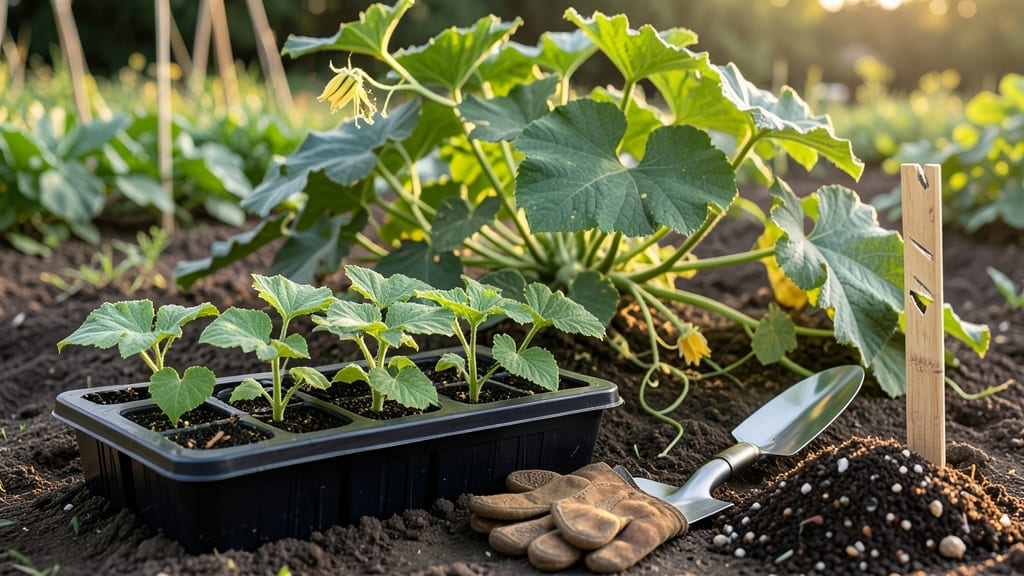
Planting watermelon in Florida isn’t just about timing—it’s about beating the heat while avoiding the rare but possible late-winter chills that can stunt your 🍉 crop before it even starts.
Most gardeners here swear by mid-February to early May for spring planting, but that window shifts dramatically depending on whether you’re in the frost-prone Panhandle or the frost-free Keys.
What sets Florida apart? Unlike northern states, you don’t have to wait for the last frost—you’re racing against soil temperature instead.
Watermelon seeds need the ground to hit at least 70°F to germinate, and that can happen as early as February in South Florida or as late as April in the North. Get it wrong, and you’ll either waste seeds on cold soil or watch your vines wilt under summer’s intensity.
Here’s the game-changer: Florida’s heat zones let you stagger plantings for a continuous harvest. Start with fast-germinating varieties in February, then follow up with heat-tolerant types like ‘Sugar Baby’ in April. With the right timing, you could be enjoying homegrown watermelons from June through December—no frost, no guesswork.
Ready to skip the trial-and-error? I’ll walk you through the exact planting calendar for your Florida zone, plus pro tips to speed up germination and protect your crop from the one thing even Florida can’t control: unpredictable rain. Let’s get those seeds in the ground the right way.
Florida heat-zone planting calendar for watermelon success (with frost-free deadlines)
Watermelons thrive in Florida’s heat, but timing is everything. Unlike northern states, Florida’s frost-free zones (8A-10A) let you plant year-round—but only when soil hits 70°F+.
Too early, and seeds rot; too late, and vines struggle in summer’s peak heat. Your best bet? Spring (Feb-May) or fall (Jul-Sep) planting for two harvests.
Most of Florida avoids frost, but North Florida (Zone 8A) can see rare cold snaps. Even a 28°F night can kill young plants. The key? Soil temperature trumps calendar dates—wait until your thermometer reads 70°F+ at 3 inches deep. Use a soil thermometer to avoid guesswork.
Here’s your heat-zone breakdown for planting watermelons in Florida, including frost-free deadlines and ideal soil temps:
| Heat Zone | Frost Risk | Spring Planting Window | Fall Planting Window | Soil Temp Threshold |
|---|---|---|---|---|
| 8A (North FL) | Rare (Dec) | Mid-March to early May | Late July to early Sept | 70°F+ |
| 9A (Central FL) | None | Mid-Feb to early May | Late June to early Sept | 70°F+ |
| 10A (South FL) | None | Jan to early May | May to early Oct | 65°F+ (earlier starts) |
For faster germination, aim for soil temps between 80-90°F. In South Florida (Zone 10A), you can even plant watermelons in January for an early spring harvest. But in North Florida (Zone 8A), wait until mid-March to avoid cold snaps.
Direct sowing is best—watermelon roots hate transplanting. Drop seeds 1 inch deep, 6 inches apart, in hills spaced 5-6 feet apart. Use black plastic mulch to warm soil faster and suppress weeds. This trick can shave 2-3 weeks off your growing season!
Pro tip: Stagger your planting every 2 weeks for a continuous harvest. For example, plant 1/3 of your seeds in March, another 1/3 in April, and the final batch in early May. This ensures watermelons ripen over 6-8 weeks instead of all at once.
In fall plantings, start seeds indoors 4-6 weeks before your last frost-free date (usually late July for most of Florida). Transplant seedlings outdoors when soil hits 70°F+ again. Fall crops often yield sweeter melons because cooler nights slow sugar production.
Watch for soil moisture—watermelons need 1-2 inches of water weekly, but overwatering can cause blossom-end rot. Drip irrigation or soaker hoses work best to keep foliage dry and prevent fungal diseases like powdery mildew.
🌱
Pro tips to extend Florida watermelon season: shade cloth, mulching, and variety selection
Florida’s long growing season gives you two chances to grow watermelons—spring and fall—but pushing those windows even further can mean extra harvests. I’ve found that using shade cloth and mulching can stretch your planting windows by 3-4 weeks without sacrificing yield.
These tricks help protect young seedlings from late-season heat while keeping the soil warm enough for germination.
Start by selecting heat-tolerant varieties like ‘Sugar Baby’ or ‘Crimson Sweet,’ which thrive in Florida’s 90°F+ temperatures. These varieties also mature faster, giving you a head start on the harvest season. For example, ‘Sugar Baby’ can be ready in just 70 days, perfect for late-summer plantings.
Here’s how to maximize your watermelon season with proven strategies:
Covers young seedlings from intense afternoon sun while allowing 60-70% sunlight through. Remove after 2 weeks once vines establish.
Warms soil 10-15°F faster than bare ground, helping seeds germinate 2-3 days earlier. Reflects sunlight back onto vines for extra warmth.
Keeps soil consistently moist without wetting foliage, reducing fungal diseases like powdery mildew. Run in early morning to avoid evening dampness.
Plant new seeds every 2 weeks from March to May for staggered harvests. This ensures a continuous supply of fresh watermelons all summer.
Use vertical trellises for bush varieties like ‘Black Diamond’ to save space. Vines grow 6-8 ft high instead of sprawling, ideal for small gardens.
For fall plantings, aim for late July to early August when soil temperatures stay above 70°F. Use straw mulch to insulate roots from early-morning chill, which can stunt growth. I’ve had success with ‘Charleston Gray’ in fall—it handles cooler nights better than most varieties.
Remember, watermelons need full sun (6-10 hours daily), so avoid planting under trees or structures that cast shade. If your garden gets afternoon shade, prioritize morning sunlight exposure for best results.
With these strategies, you can enjoy watermelons from May through October—or even year-round in South Florida’s Zone 10B+. The key is balancing warmth, moisture, and variety selection to match your local microclimate.