
Vegetables
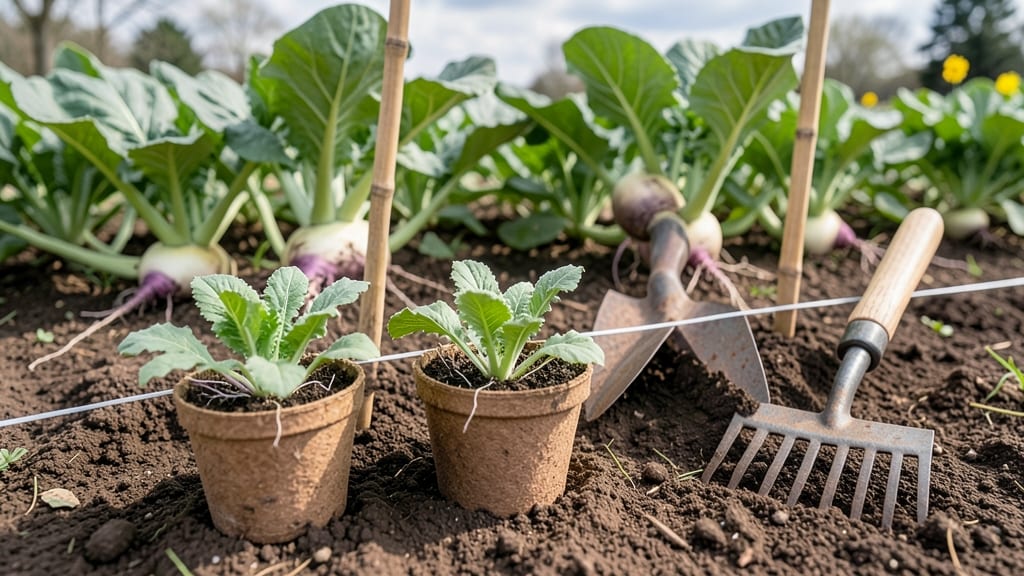
If you've ever wondered when to plant turnips in the fall to avoid bitter roots or premature bolting, the answer lies in timing—and it's simpler than you think.
Planting these hardy 🥕 roots just 4-6 weeks before your first frost (like mid-September in Zone 6a) ensures sweet, tender harvests when most gardens have gone quiet.
Most gardeners assume "fall planting" means throwing seeds into the ground anytime after summer, but that's a recipe for disappointment. The key is understanding your local frost dates and soil temperatures—because turnips thrive in cool weather, not cold.
I'll show you exactly when to start seeds in your specific zone to avoid the two biggest mistakes: planting too early (and risking bolting) or too late (and facing frost damage).
What makes fall turnips so rewarding is their ability to sweeten as temperatures drop, making them a garden standout. Whether you're working with backyard beds or containers, we'll cover everything from soil prep to companion planting (like pairing them with lettuce or radishes) to maximize your harvest.
Let's get those roots growing on schedule.
Ready to transform your fall garden? You'll walk away with a clear planting calendar, frost-proofing tips, and the confidence to grow turnips that taste better than store-bought. The secret isn't complicated—it's about working with nature's timeline, not against it.
Fall turnip planting calendar by USDA Zone: exact months for zero-frost survival
Timing your fall turnip planting is all about balancing maturity dates with frost risk—and it varies wildly by USDA zone. In Zone 3-4, you’ve got just 4-5 weeks before hard frost hits, while Zone 8+ gardeners can stretch planting until November.
The key is planting 60-80 days before your first frost to ensure tender roots, not woody bolts.
Turnips thrive in cool weather, but they’re not frost-proof. Light frosts (28°F) sweeten the roots, but hard frosts (20°F) will ruin your crop. That’s why soil temperature matters more than air temperature—ideal planting soil should be 45-75°F. Use a soil thermometer to check before seeding.
Here’s the zone-by-zone breakdown of when to plant for a foolproof fall harvest, including northern vs. southern strategies to maximize your window.
| USDA Zone | Planting Window | First Frost Date | Ideal Planting Month | Soil Temp Threshold | Harvest Window |
|---|---|---|---|---|---|
| 3-4 | Late July - Early August | Mid-September | August | 45-60°F | October |
| 5-6 | Mid-August - Mid-September | Late October | September | 50-65°F | October - November |
| 7-8 | Late August - October | Mid-November | September - October | 55-70°F | November - December |
| 9-10 | September - November | Mid-December | October - November | 60-75°F | December - January |
Notice how Zone 3-4 gardeners must plant by August, while Zone 9-10 can wait until November? That’s why I always check my local frost date averages (use the National Weather Service or Almanac tools) before seeding.
Pro tip: In Zone 5-6, aim for September 1st—this gives you a 60-day window before frost, perfect for Purple Top White Globe varieties.
For succession planting, sow seeds every 2 weeks until 6 weeks before frost. This ensures a steady supply of tender roots instead of one big harvest. In my Zone 6a garden, I plant August 1st, 15th, and 30th for staggered harvests through November.
Turnip greens are even more frost-tolerant than roots—so if you’re growing Tokyo Cross or Hakurei varieties, you can harvest leaves well into winter. Just cover them with row fabric when temps drop below 25°F to prevent damage.
One critical mistake I see? Planting too close to frost and ending up with bolted or woody roots. Always leave 4-6 weeks between planting and your first frost date—even if your turnips look small. Patience here = sweeter, more tender harvests.
🌱
How to extend turnip harvests through winter: cold hardiness hacks
Turnips are cool-season superstars, but even they need help surviving winter’s harshest moments. With the right tricks, you can harvest tender roots well into December—or even January in mild zones. The secret? Protecting plants from hard frosts while letting them enjoy the benefits of light frost sweetening.
I’ve tested these methods in my Zone 6a garden, and they work like magic for extending harvests.
First, understand your turnips’ frost tolerance limits. Roots can handle 28°F without damage, but anything below 20°F will turn them mushy. Greens, however, love light frost—it actually improves their flavor. That’s why I focus on protecting roots while letting greens enjoy the chill.
Here are the 5 critical hacks I use to keep turnips producing through winter, including when to harvest for maximum sweetness before bolting risks spike.
-
1. Mulch like a pro
Apply 4-6 inches of straw or leaves after first frost. This insulates roots from 20°F+ temps while letting greens photosynthesize. Replenish mulch after heavy snowmelt.
-
2. Use row covers strategically
Cover plants with frost cloth when temps drop below 25°F. Secure edges with bricks or soil to prevent wind damage. Remove during daytime for greens to grow.
-
3. Harvest at peak sweetness
Pull roots when soil temps hit 35-40°F—this triggers natural sugar concentration. In my garden, that’s usually late October to early November for Zone 6a.
-
4. Succession plant for winter
Sow new seeds every 2 weeks until 6 weeks before frost. This ensures fresh roots when earlier plantings bolt. I’ve had success with Hakurei turnips lasting until Christmas.
-
5. Store roots properly
Cure harvested roots in 50°F shade for 24 hours, then store in sand or sawdust at 32-40°F. This keeps them crisp for 2-3 months without refrigeration.
One common misconception is that turnips stop growing in winter. Not true! With proper protection, they’ll keep producing tender greens even under snow. I’ve harvested frost-kissed leaves from plants buried under 6 inches of snow—just brush the snow off first.
For container gardeners, move pots to a garage or cold frame when temps drop below 25°F. Use black plastic mulch in containers to absorb heat during the day and release it at night. This simple trick adds 2-3 weeks to your harvest window.
Remember: Patience pays off. Rushing to harvest before roots reach 1-2 inches in diameter means tough, woody textures. Wait for that sweet spot—your taste buds will thank you. And if you’re growing for greens only, you can harvest leaves every 2 weeks all winter long.
🌿