
Companion Plants
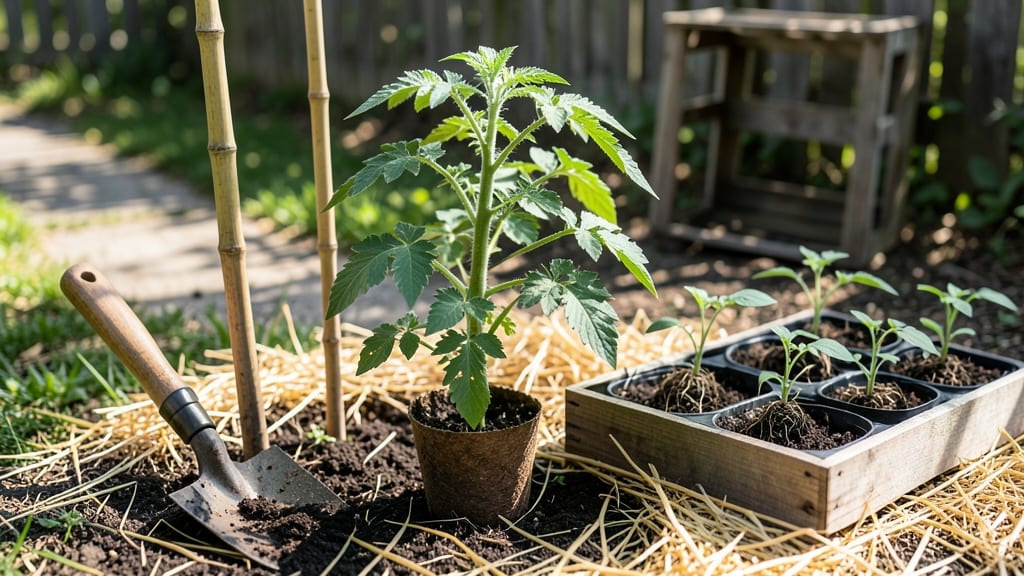
Planting tomatoes in Pennsylvania at the wrong time can turn your 🍅 dreams into frost-killed disappointment—but getting the timing right means the difference between a garden overflowing with ripe fruit and one that barely sets a tomato.
The key isn’t just waiting for spring; it’s knowing exactly when to start seeds indoors, when to transplant tender seedlings, and how to adjust for Pennsylvania’s unpredictable shifts from zone 5b to 7a.
I’ve tested these strategies over years of gardening in the Keystone State, and what I’m about to share will help you avoid the two biggest mistakes: planting too early (and losing seedlings to cold) or too late (and missing the harvest window).
Most gardeners in PA wait until after the average last frost date—typically April 15 in the south and May 15 in the north—but that’s only half the story. The real secret lies in matching your tomato variety to your microclimate.
Heat-loving heirlooms need warmer soil, while cold-hardy hybrids can handle cooler starts. I’ll break down the exact weeks before last frost to plant each type, plus how to use row covers or cold frames to stretch your season when the forecast calls for a late freeze.
Trust me, these adjustments can add weeks to your harvest.
What if you’re new to tomatoes or working with a short-season zone? No problem—I’ll cover the best early-start varieties for PA’s 60–90-day growing windows, so you can still enjoy a full basket of tomatoes even if summer feels like a sprint.
You’ll also learn how to spot the signs of soil readiness (hint: it’s not just about air temperature) and when to hold off if the ground stays stubbornly cold.
By the end, you’ll have a planting schedule so precise it accounts for everything from Pittsburgh’s chilly valleys to Philadelphia’s urban heat islands.
Ready to stop guessing and start growing? Let’s dive into the exact planting timeline for your tomatoes—because in Pennsylvania, timing isn’t just important. It’s everything. You’ll walk away with a clear plan, variety recommendations, and pro tips to turn your garden into a tomato powerhouse this season.
Best weeks before last frost to plant tomatoes in PA by variety
Pennsylvania’s last frost dates vary dramatically—from April 15 in the south (like Lancaster) to May 15 in the north (like Erie). This means your tomato planting window shifts by weeks.
For heat-loving varieties, aim to transplant seedlings 2–3 weeks after your last frost, once soil hits 60°F. Direct-sowing? Wait until May 1–June 1 in cooler zones.
Your variety type matters most: Indeterminate tomatoes (vining, like 'Sungold') need 70–90 days to fruit, while determinate varieties (bushy, like 'Roma') mature in 60–75 days. In PA’s USDA Zones 5b–7a, this translates to planting between April 20 and May 20 for most gardeners.
Here’s your exact planting schedule by tomato type, aligned with PA’s frost-free timeline:
| Variety Type | Days to Maturity | Planting Window (PA) | Notes |
|---|---|---|---|
| Indeterminate (e.g., 'Brandywine', 'Sungold') | 70–90 days | April 20–May 10 (transplant) / May 15–June 1 (direct sow) | Needs stakes/cages; extend season with row covers. |
| Determinate (e.g., 'Roma', 'Celebrity') | 60–75 days | April 25–May 15 (transplant) / May 20–June 1 (direct sow) | Bushy; ideal for containers or short seasons. |
| Cold-Hardy Heirlooms (e.g., 'Stupice', 'Glacier') | 50–60 days | April 1–April 15 (transplant) / April 20–May 1 (direct sow) | Tolerates light frost; perfect for Zone 5b. |
| Cherry Tomatoes (e.g., 'Sweet 100') | 60–70 days | April 20–May 10 (transplant) / May 15–May 30 (direct sow) | Fast producers; great for succession planting. |
For seedlings, start indoors 6–8 weeks before your last frost date. Use grow lights to prevent leggy plants, then harden off for 7–10 days before transplanting. Direct-sowing?
Plant seeds ½ inch deep in warm soil, thinning to 18–24 inches apart for vining types or 12–18 inches for bush varieties.
Pro tip: Use a soil thermometer—tomato seeds need 70°F+ soil to germinate. If your soil is cooler, try black plastic mulch or a cold frame to speed up warming. In Pittsburgh or Erie, wait until May 10–20 to avoid frost surprises.
If you’re in Philadelphia or Lancaster, you can push planting to early April for cold-hardy varieties, but cover seedlings with frost cloth until May 1. Row covers can extend your season by 2–3 weeks in both directions—earlier starts and later harvests.
Remember: Late planting (after June 1) risks blossom-end rot or unripe fruit before frost. For long-season varieties, prioritize indeterminate types or use greenhouse growing to maximize yield.
For container gardening, plant compact varieties like 'Tiny Tim' or 'Patio Princess' in 5-gallon pots and move containers to sunniest spots by mid-April. Containers warm up faster than soil, giving you a 2-week head start.
Track your local frost dates using Penn State Extension’s frost calculator or check with your county agricultural office. Adjust your schedule based on microclimates—south-facing slopes warm earlier, while low-lying areas stay cooler longer.
🌱
How to adjust planting dates for PA’s microclimates and frost risks
Pennsylvania’s diverse climate—from Pittsburgh’s chilly valleys to Philadelphia’s urban heat islands—means your last frost date can vary by weeks. While the state’s average last frost falls between April 15 and May 15, your local microclimate might push that window earlier or later.
For example, gardeners in Erie often wait until May 10, while those in Lancaster can plant as early as April 20. I’ve seen frost hit Philadelphia’s outskirts in late April, yet nearby suburbs stay frost-free until early May.
The key is adjusting your planting timeline based on elevation, proximity to water, and urban vs. rural settings.
If you’re in a cooler zone like the Poconos or Allegheny Mountains, consider starting seeds indoors 6–8 weeks before your target transplant date. Use grow lights to simulate long daylight hours, and harden off seedlings gradually to avoid shock.
For urban gardeners in cities like Pittsburgh or Allentown, heat from buildings and pavement can create microclimates where soil warms faster—test it with a soil thermometer before planting. Aim for 60°F soil temperature; anything below 55°F can stunt root growth.
🚨 CRITICAL: Even if your neighbors are planting, don’t rush if your soil is cold. I once lost a batch of seedlings in State College because I ignored the 50°F soil warning. Use black plastic mulch or straw bales to warm the ground faster, especially in northern PA.
For an extra buffer, plant cold-hardy varieties like ‘Stupice’ or ‘Glacier’—they tolerate 40°F soil temps and can handle a light frost.
⚠️ Frost Risk Alert: When to Delay Planting
Watch for these red flags: If your local forecast predicts a 32°F+ night within 7–10 days of planting, hold off. Even row covers won’t protect seedlings from hard frost. In PA’s Zone 5b, a late April freeze can kill young plants—don’t gamble with direct-sown seeds before May 1.
Pro Tip: Use the “10-day rule”: If frost is forecasted within 10 days of your planned transplant date, delay by 2 weeks or use cold frames.
Row covers and cold frames are your best friends for early starts. A simple floating row cover can add 4–6°F of protection, letting you plant 2–3 weeks earlier than the average last frost date.
In Pittsburgh, I’ve used them to transplant seedlings as early as April 1—just remove covers during the day to prevent overheating. For heirloom varieties that need warmth, pair row covers with black plastic mulch to create a mini greenhouse effect.
If you’re in a short-season zone (like Zone 5b), focus on fast-maturing varieties and succession planting. Plant a second crop of determinate tomatoes (like ‘Early Girl’) in early June for a late-summer harvest.
In longer seasons (like Zone 7a), you can afford to plant indeterminate varieties like ‘Brandywine’ as late as June 15—just stake them early to support heavy vines.
Finally, don’t ignore local gardening events. Many PA county extension offices host plant sales and frost prediction workshops in early spring. For example, the Penn State Extension provides free frost alerts via email—sign up to get real-time adjustments for your area.
By combining these resources with your own soil tests, you’ll outsmart PA’s unpredictable weather and maximize your tomato harvest.