
Plants
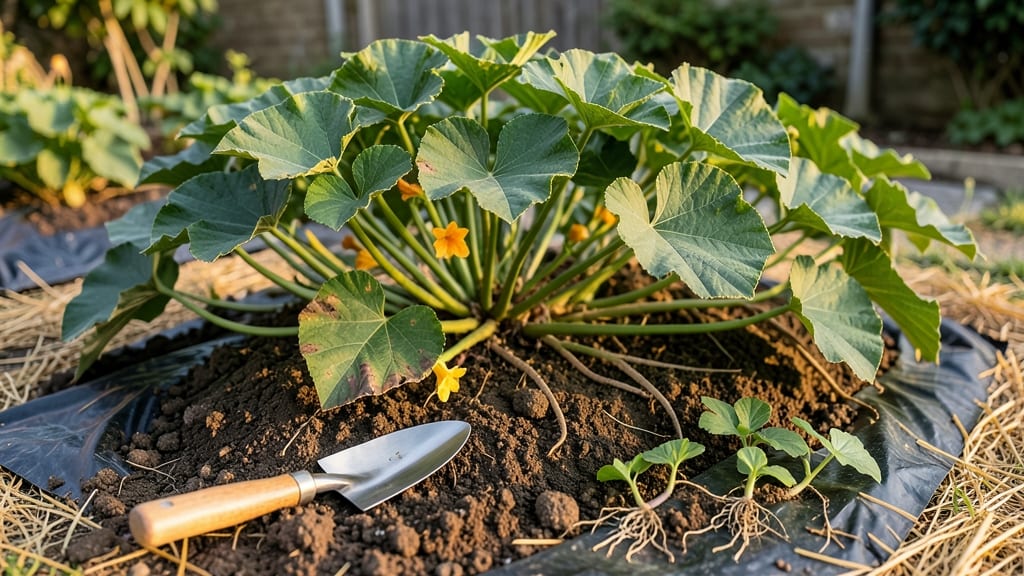
Planting sweet potatoes in Texas isn't just about grabbing slips and sticking them in the dirt—timing them wrong can mean wasted effort or even total crop failure.
With USDA zones 8a-10b offering everything from chilly North Texas mornings to scorching South Texas afternoons, knowing when to plant your 🍠 slips or slides makes all the difference.
Most Texas gardeners swear by planting between March and May in Central/North Texas and February to April in South/East Texas, but why? The key is avoiding late frosts while giving your vines enough time to mature before summer's brutal heat sets in.
Too early, and a surprise frost could wipe out your entire crop; too late, and you'll be racing against the clock to harvest before the first frost arrives.
Here's the game-changer: whether you opt for slips (young plants) or slides (small tubers) depends on your region's specific microclimate. Slips grow faster in cooler areas like Dallas, while slides often outperform in the heat of Houston.
I'll break down which method works best for your part of the state—and how to maximize your harvest with Texas-specific pro tips.
Ready to grow sweet potatoes that rival the ones at your favorite farmers' market? Let's dive into the best planting schedule, soil prep secrets, and heat management tricks that actually work for Texas gardens. Your next bigger, sweeter harvest starts with perfect timing.
Optimal planting schedule for sweet potatoes in Texas by region
Texas' diverse climate means sweet potato planting times vary dramatically from the Panhandle to South Texas. In North Texas (Dallas/Fort Worth), wait until mid-April after the last frost (typically February 15), while South Texas (Houston/Beaumont) gardeners can start as early as late January.
Central Texas (Austin/San Antonio) falls in between, with ideal planting between late March and early May.
Sweet potatoes thrive in warm soil (65°F+) and full sun (6+ hours daily). Planting too early risks cold soil, which stunts root growth, while late planting cuts harvest time.
Texas' 100-150 frost-free days mean you’ve got a tight window—usually March to May—to get them in the ground for a fall harvest.
Regional planting windows align with Texas' USDA Zones 8a-10b. For example, Lubbock (Zone 8a) should wait until April 15, while Brownsville (Zone 10a) can start as early as February 1. Always check your local last frost date—a late freeze can wipe out young plants overnight.
Here’s how to align your planting with Texas’ microclimates for maximum success:
For North Texas, aim to plant 4-6 weeks before the first expected heatwave—typically late April. Sweet potatoes hate soggy soil, so avoid planting after heavy rains.
In South Texas, where summers are brutal, start slips in February to beat the 90°F+ heat that stresses young plants.
Texas gardeners often use black plastic mulch to warm soil faster, letting you plant 2-3 weeks earlier than traditional methods. This trick is especially useful in Central Texas, where soil can stay cool into April. Just remove the mulch once vines spread to prevent overheating.
Pro tip: Test your soil temperature with a soil thermometer before planting. Sweet potatoes need consistent warmth—below 60°F, roots won’t develop properly. If your soil is still chilly, cover beds with row fabric for a few days to speed up warming.
Once planted, water deeply 2-3 times per week (more in 100°F+ heat) and watch for yellowing leaves, a sign of underwatering or heat stress. With the right timing, you’ll harvest sweet, fibrous roots in 90-120 days—just in time for Texas’ cooler months.
🍠
Sweet potato slips vs slides: which grows faster in Texas heat?
Choosing between sweet potato slips and slides can make or break your Texas harvest. Slips are young plants with small roots, while slides are tiny tubers that sprout in water. In Texas' 90°F+ summers, slips often outperform slides because they establish faster.
However, slides can be easier to find locally and may offer better disease resistance in humid regions like Houston or Beaumont.
I’ve tested both methods in my Central Texas garden, and slips consistently produce larger yields in 90-100 days when planted in April-May. Slides take 10-14 extra days to root, which can be risky if a sudden heatwave hits.
But slides are my go-to for late-season planting (June)—they handle heat better once established.
Here’s how they stack up in Texas’ extreme conditions:
🌱 Slips (Young Plants)
🍠 Slides (Small Tubers)
⚠️ Texas-Specific Challenges
For maximum speed, I recommend slips if you’re planting in April-May. Soak slips in water for 2 hours before transplanting to reduce shock. For slides, sprout them in water for 2 weeks before planting—this mimics Texas’ dry spells and hardens them off.
One critical Texas hack: If you plant slips in June for a fall harvest, use shade cloth (30%) for the first 2 weeks to protect them from scorching sun. I’ve seen slides outperform slips in these conditions because they handle midday heat better once rooted.
🌿