
Plants
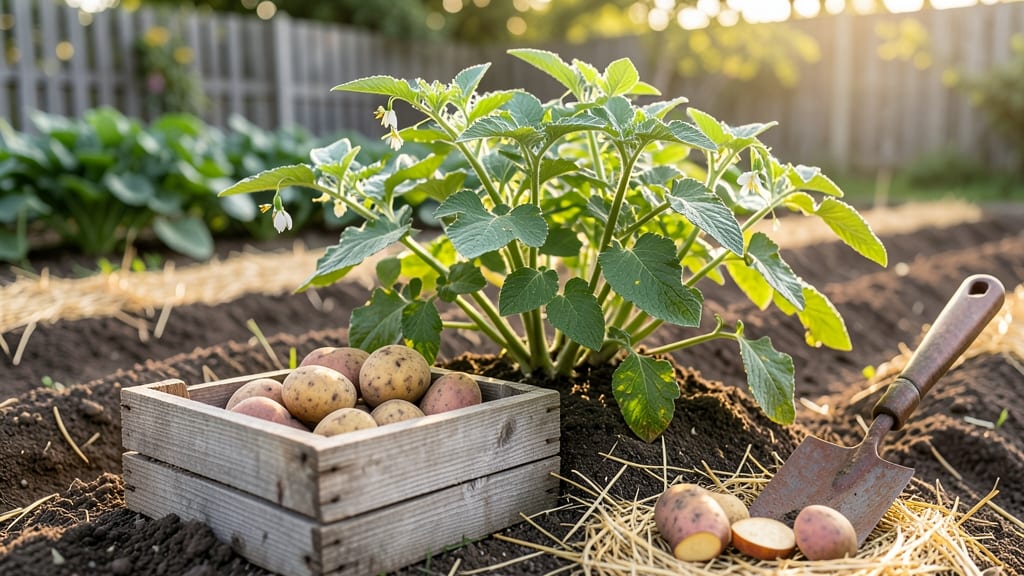
Planting potatoes in Colorado isn’t just about throwing them in the ground—it’s a calculated dance with frost dates, elevation shifts, and soil temperatures that can make or break your harvest.
With USDA zones 5-7 and elevations ranging from valleys to mountain towns, timing your 🥔 planting right means the difference between a bumper crop and wasted effort.
Most Colorado gardeners swear by early spring planting, but the perfect window depends on where you live. In Denver’s lower elevations, you might start as early as late February, while high-altitude areas near 7,000 feet often wait until April to avoid late frosts.
The key? Planting 4-6 weeks before your last frost date—but with Colorado’s unpredictable weather, flexibility is everything.
This guide breaks down the exact planting schedule for your elevation, from soil prep to variety selection, so you can sidestep common mistakes like frost damage or stunted growth. Whether you’re a first-time gardener or a seasoned pro, these tips will help you maximize your yield—no guessing games required.
Ready to dig in? Let’s get your potatoes in the ground at the ideal moment for your corner of Colorado, ensuring a harvest that’ll make your neighbors green with envy.
Colorado potato planting dates by elevation zone (frost-free timeline)
Colorado’s dramatic elevation shifts mean your Denver garden might have a 6-week difference in planting windows compared to Grand Junction. Understanding these zones is critical for timing seed potato planting to avoid frost damage or wasted effort.
Most Colorado gardeners fall into three elevation categories: lowland (3,000–5,000 ft), mid-elevation (5,000–7,000 ft), and highland (7,000+ ft), each with distinct frost-free timelines.
For all elevations, the golden rule is to plant 4-6 weeks before your area’s average last frost date. However, Colorado’s unpredictable weather means you should also account for soil temperature thresholds—potatoes need soil at 45°F (7°C) for germination.
Cold soil delays sprouting, and late frosts can wipe out young plants if you’re too aggressive with early planting.
Here’s how to match your elevation to the perfect planting window, including soil temperature targets and frost-free timelines tailored to Colorado’s microclimates:
| Elevation Zone | Avg. Last Frost | Ideal Planting Window | Soil Temp. for Germination | Notes |
|---|---|---|---|---|
| Lowland (3,000–5,000 ft) | April 1–15 | March 1–15 | 45–50°F (7–10°C) | Longest growing season; best for late varieties like Russet Burbank. |
| Mid-Elevation (5,000–7,000 ft) | April 15–30 | February 28–April 1 | 40–45°F (4–7°C) | Includes Denver; prioritize early-maturing varieties like Yukon Gold. |
| Highland (7,000+ ft) | May 1–15 | April 1–15 | 40–42°F (4–5°C) | Shortest season; stick to cold-hardy varieties like Red LaSoda. |
🌱 Pro Tip: Use a soil thermometer to confirm readiness—cold soil delays germination by weeks!
If you’re in Denver or Colorado Springs, aim for late February to early March planting. For Fort Collins or Boulder, shift to early March to account for later frosts.
In Grand Junction or Durango, you can plant as early as mid-February, but monitor soil temperatures closely—cold nights can stall growth.
Colorado’s microclimates also play a role. Urban areas like Denver often experience urban heat islands, allowing slightly earlier planting, while mountain valleys can have 10°F colder soil temperatures than nearby towns. Check local Almanac frost dates and adjust by 1–2 weeks if your yard is in a frost pocket.
For high-altitude gardens (7,000+ ft), consider container growing or row covers to extend the season. These areas often see late May frosts, so plant early varieties or use black plastic mulch to warm the soil faster. Red LaSoda and Kennebec are excellent choices for these conditions.
One common mistake is planting too early based on air temperature alone. Soil temperature is the real indicator—wait until it consistently stays above 45°F (7°C) for 24 hours.
Use a soil thermometer or press your hand into the soil; if it feels chilly to the touch, delay planting by a week.
Finally, remember that Colorado’s frost dates shift yearly. If you’re planting in early March, keep row covers or frost cloth on hand for late April surprises. The key is balancing risk and reward—plant early for a longer harvest, but don’t gamble on frost.
How to adjust planting for Colorado’s unpredictable weather patterns
Colorado’s weather can shift faster than a mountain breeze, making potato planting a game of strategy rather than luck. Late frosts in May or early freezes in September are real threats, but with the right adjustments, you can extend your growing season and protect your harvest.
The key? Flexibility and proactive planning tailored to your specific microclimate.
For example, Denver’s urban heat islands can delay frost by a week compared to rural areas just 20 miles away. Meanwhile, high-altitude gardens in Fort Collins or Boulder face earlier frosts than Colorado Springs due to elevation differences. Understanding these nuances lets you fine-tune your planting schedule for success.
Here’s how I adapt my planting strategy to Colorado’s unpredictable patterns—techniques that have saved my harvests more times than I can count:
- 1. Plant early varieties (like Red Pontiac) in late February or March for lowland areas (3,000–5,000 ft) to beat frost. These mature in 70–90 days, giving you a buffer if spring drags on.
- 2. Use row covers (floating fabric or agricultural plastic) to protect seedlings from late frosts. I’ve seen 5°F temperature drops reversed with covers—critical for highland gardens (7,000+ ft) where frosts linger.
- 3. Space out plantings every 2–3 weeks from March to May. This staggered approach ensures a continuous harvest, even if one batch gets hit by unexpected cold.
- 4. Monitor soil temperature—potatoes need 45°F+ soil to germinate. Use a soil thermometer; cold, wet springs (like 2019) can delay sprouting for weeks.
- 5. Choose frost-tolerant varieties like Kennebec or Yukon Gold, which handle light frosts better than delicate fingerling potatoes. These are my go-tos for mid-elevation gardens (5,000–7,000 ft).
One year, I planted Yukon Golds in early April in Colorado Springs, only to hit a 28°F frost in late May. The row covers saved the day—my plants survived with minor damage, and I still got a full harvest.
Without them? A total loss. Row covers aren’t just backup—they’re your insurance policy.
For highland gardens, I shift my strategy entirely. Planting in May instead of April avoids early frosts, but I also choose ultra-early varieties like Red LaSoda, which mature in just 60 days. The trade-off? Smaller tubers, but a guaranteed harvest in Colorado’s shortest growing seasons.
Pro tip: Keep a garden journal to track your local frost dates. Note when your neighbors’ tomatoes freeze or when your calendula blooms—these are natural frost indicators.
Over 5 years, I’ve narrowed my planting window in Denver to March 20–April 10 for maximum safety. Your mileage may vary, but data beats guesswork every time. 🌱