
Flowers
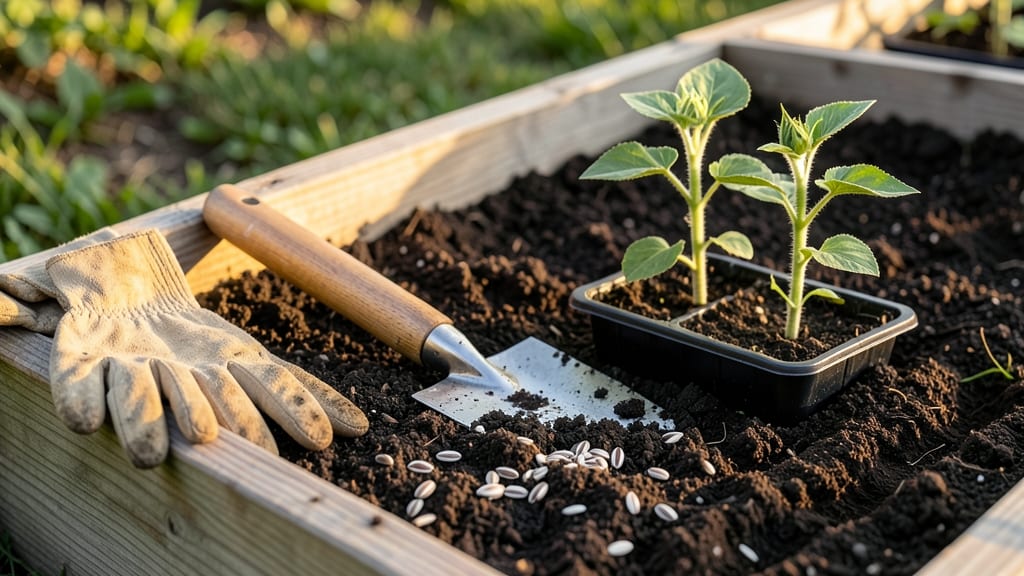
Planting sunflowers in Ohio isn’t just about dropping seeds in the dirt—it’s about catching that perfect window between frost and scorching heat to coax those towering 🌻 stalks to life. Skip the guesswork, and you’ll either end up with wilted seedlings or sunflowers that bolt before blooming.
Most Ohio gardeners in USDA Zone 6a know the drill: wait until mid-April to mid-June, when soil temperatures hit at least 55°F and the last frost date has passed (usually around April 15).
But here’s the catch—northern Ohio’s cooler microclimates (like urban areas with lingering cold pockets) may need a 2-week delay compared to southern Ohio’s warmer pockets.
Whether you’re direct-sowing in garden beds or tucking seeds into containers, timing matters just as much as soil prep. Plant too early, and frost will strike; too late, and summer’s heat arrives before your sunflowers mature.
I’ll break down the exact schedule by zone, plus pro tips for succession planting to stretch your blooms from late July through October.
Ready to grow sunflowers that reach their full potential? Let’s dive into the zero-frost planting strategy that works for Ohio’s climate—no more missed opportunities or wilted dreams.
Ohio sunflower planting calendar by hardiness zone (5a-6b)
Ohio’s USDA hardiness zones 5a-6b create distinct planting windows for sunflowers. Northern Ohio (zone 5a) has a shorter growing season, while southern Ohio (zone 6b) enjoys 2-3 extra weeks of warmth.
I’ll break down the exact months to plant for each zone, including soil temperature tips and frost-free date calculations.
For zone 5a (northwest Ohio, Youngstown, Toledo), aim to plant sunflowers after April 20 when soil reaches 55°F. The last frost typically occurs around April 15, but seeds need warmth to germinate.
In zone 6b (Columbus, Cincinnati, Dayton), you can start as early as mid-April with soil warming by late March.
Here’s my pro tip: Use a soil thermometer to confirm readiness. Sunflower seeds won’t sprout below 50°F, but 55°F+ ensures faster germination. In colder microclimates (like urban valleys), wait until May 1 to avoid frost risk.
| Zone | Last Frost Date | Ideal Planting Window | Soil Temp for Germination | Method |
|---|---|---|---|---|
| 5a (Toledo, Youngstown) | April 15 | April 20 - May 10 | 55°F+ | Direct sow or transplant |
| 6a (Akron, Mansfield) | April 1 | April 15 - May 15 | 50°F+ | Direct sow preferred |
| 6b (Columbus, Cincinnati) | March 25 | Mid-April - Mid-May | 50°F+ | Direct sow or early transplant |
🌱 Note: Transplanting is risky—sunflowers have delicate taproots. Direct sowing yields hardier plants.
Direct sowing is my top recommendation for Ohio’s climate. Start seeds 1 inch deep, 6 inches apart, and thin to 12-18 inches as they grow. If transplanting, harden off seedlings for 7-10 days before moving them outdoors after May 1 in zone 5a.
For container gardening in urban Ohio, use 5-gallon pots and plant seeds after Memorial Day (May 25) to avoid late frosts. Containers warm up faster than soil, so you can plant 1-2 weeks earlier than ground planting.
Don’t overlook succession planting! In zone 6b, sow a second batch in early June for late-summer blooms. Choose fast-maturing varieties like ‘Teddy Bear’ (50 days) to ensure flowers appear before frost.
Protect young seedlings from Ohio’s unpredictable spring winds by using row covers or planting near windbreaks like cornstalks or fences. This simple step can double your success rate in chilly zones.
Finally, mark your calendar for late July harvests in zone 5a and early October in zone 6b. Sunflowers planted in June will bloom just in time for fall festivals—a great way to extend your garden’s season!
5 Critical factors that determine your sunflower planting success in Ohio
Ohio’s variable climate means sunflower success depends on more than just planting dates. While timing matters, these five critical factors will make the difference between flourishing blooms and stunted growth. Let’s break them down so you can avoid common pitfalls and grow sunflowers that reach their full potential.
First, soil temperature is non-negotiable. Sunflower seeds won’t germinate until soil reaches 55°F. In northern Ohio (Zone 5a), this typically happens around mid-May, while southern Ohio (Zone 6b) may see it as early as late April.
Use a soil thermometer to check—planting too soon in cold soil leads to rotten seeds and wasted effort.
Sunlight exposure is the second game-changer. Sunflowers demand 6-8+ hours of direct sun daily. In Ohio, this means planting in south-facing beds or containers near sunniest walls. Shade from trees or buildings can dwarf your plants and delay blooming by weeks. If your yard lacks full sun, consider dwarf varieties like ‘Teddy Bear’ for smaller spaces.
Third, watering consistency prevents two deadly enemies: drought stress and root rot. Young seedlings need 1-2 gallons of water every 3-5 days, but established plants tolerate drought better once their roots deepen.
The key? Deep, infrequent watering in the morning to reduce fungal risks. Overwatering is just as harmful as underwatering—sunflowers hate soggy soil.
Fourth, companion planting can boost growth and deter pests. Pair sunflowers with basil, marigolds, or borage to repel aphids and spider mites. Avoid planting near potatoes or fennel, which compete for nutrients.
In Ohio’s humid summers, these partnerships can mean the difference between a healthy plant and one battling pests all season.
Finally, late-summer succession planting extends your blooms well into fall. If you miss the primary planting window (April-May), sow fast-maturing varieties like ‘Autumn Beauty’ in early July.
These can still reach maturity before Ohio’s first frost (mid-October), giving you extra months of color and seed harvests for next year’s garden.
Pro tip: If you’re in urban Ohio with heat islands, plant sunflowers 1-2 weeks earlier than rural areas—the extra heat speeds up germination. Now that you’ve mastered these factors, your sunflowers will soar to their full height and blossom like never before.