
Plants
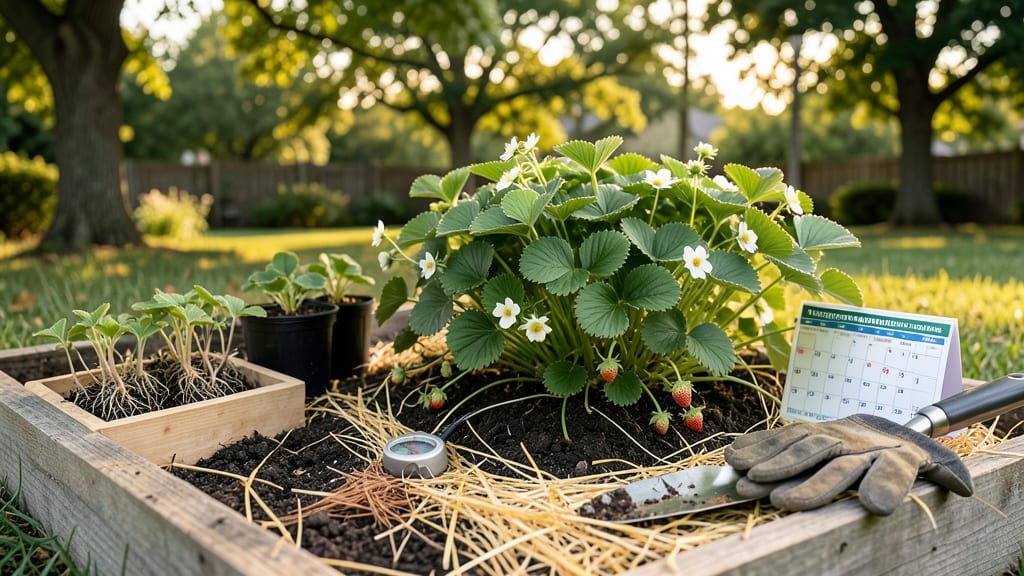
Planting strawberries in Pennsylvania isn’t just about timing—it’s about matching the right chill hours to your June-bearing varieties for that perfect 🍓 harvest. Too early, and frost can wipe out your crop; too late, and you’ll miss peak flavor.
The key is understanding your USDA zone (5b-7a) and when the soil warms enough to support strong root growth.
Most gardeners in Pennsylvania swear by early spring planting (March-April) or late summer (July-August), but the real secret lies in chill-hour requirements. June-bearing varieties need between 300-1,000 hours of cold temperatures to fruit properly, and Pennsylvania’s climate can vary dramatically even within a single county.
Don’t guess—calculate your chill hours using local frost dates (typically April 15th for last frost) and select varieties like 'Jewel' or 'Chandler' that thrive in your microclimate. With the right prep, you’ll enjoy sweeter berries from June through August, or even extend your harvest into fall with strategic planting.
I’ll walk you through soil prep, transplanting tips, and how to adjust for Pennsylvania’s unpredictable weather. Let’s get those strawberries growing the right way!
Best planting times for strawberries in Pennsylvania by chill-hour requirements
Pennsylvania’s USDA zones 5b-7a create unique challenges for strawberry growers. The key to success lies in understanding your chill-hour requirements—the number of hours below 45°F (7°C) your plants need to fruit properly.
June-bearing varieties, like 'Chandler' or 'Honeoye', thrive with 300–1,000 chill hours, while everbearing types need fewer.
Most gardeners in PA plant strawberries in early spring (March–April) or late summer (July–August). Spring planting aligns with soil warming, while fall planting gives roots time to establish before winter.
The last frost date (typically April 15) and first frost date (October 15) bookend your planting windows.
For June-bearing varieties, aim to plant 4–6 weeks before your last frost in spring. In fall, plant 6–8 weeks before the first frost to ensure roots harden off. Microclimates matter—mountainous regions (like Poconos) may need adjustments, while southeastern PA can plant slightly earlier.
Soil temperature is critical. Strawberries need soil at 40–50°F (4–10°C) for root growth. Use a soil thermometer to check—planting too early in cold soil stunts roots. Mulching with straw after planting helps regulate temperature and retain moisture.
Here’s how chill hours break down across PA’s zones:
- Zone 5b (Pittsburgh, State College): 500–700 chill hours
- Zone 6a (Harrisburg, Lancaster): 700–900 chill hours
- Zone 7a (Philadelphia, Reading): 900–1,100 chill hours
Choosing the right variety ensures your plants flower and fruit reliably.
| Planting Window | Best Months | Chill-Hour Range | Soil Temp Requirement | Notes |
|---|---|---|---|---|
| Spring Planting | March–April | 300–1,000 hours | 40–50°F (4–10°C) | Best for June-bearing; harvest in June. |
| Fall Planting | July–August | 500–900 hours | 50–60°F (10–15°C) | Harvest in late summer/fall; ideal for everbearing. |
| Early Fall Planting | Late August | 700+ hours | 55–65°F (13–18°C) | Risky in Zone 5b; use mulch heavily. |
Spring-planted strawberries yield the largest, sweetest berries in June, but require consistent care through summer. Fall planting extends your harvest season but may produce smaller fruit. Everbearing varieties, like 'Seascape', are more forgiving for fall plantings and offer two harvests per year.
Prepare your soil 4–6 weeks before planting by amending with compost or aged manure to reach a pH of 5.5–6.8. Strawberries hate soggy roots, so ensure well-draining soil. Raised beds work well in PA’s clay-heavy regions, improving drainage and warmth.
After planting, water deeply once a week for the first month to encourage root growth. Avoid overhead watering, which spreads disease. Mulch with straw (not wood chips) to suppress weeds, retain moisture, and protect berries from soil-borne pests.
Monitor your plants for crown rot or powdery mildew, common in PA’s humid summers. Space plants 12–18 inches apart to improve airflow. If you’re in Zone 7a, consider shade cloth during peak summer heat to prevent sunburn on fruit.
For a second harvest, try everbearing varieties like 'Ozark Beauty', which produce fruit in spring and fall. These thrive in PA’s shorter chill-hour zones and adapt better to late-summer plantings.
Best planting times for strawberries in Pennsylvania by chill-hour requirements
Pennsylvania’s June-bearing strawberries thrive when planted during two key windows: early spring (March–April) or late summer (July–August). The difference? Chill-hour requirements—these varieties need 300–1,000 hours below 45°F to set fruit properly. Plant too early, and frost zaps your crop; too late, and you miss the 60-day harvest window.
In USDA Zones 5b–7a (most of PA), spring planting (March–April) works best for June-bearing types like 'Jewel' or 'Chandler'. These varieties need 500–700 chill hours—common in PA’s cooler regions. For fall planting (July–August), opt for varieties like 'Honeoye' (400–600 chill hours) to avoid winterkill.
| Planting Window | Best Varieties | Chill Hours Needed | Soil Temp for Planting | Harvest Month |
|---|---|---|---|---|
| Early Spring (March–April) | 'Jewel', 'Chandler', 'Allstar' | 500–700 hours | 45–55°F | June–July |
| Late Summer (July–August) | 'Honeoye', 'Seascape', 'Tristar' | 400–600 hours | 60–70°F | August–October |
For northern PA (Zones 5b–6a), prioritize spring planting—these areas accumulate chill hours earlier. In southern PA (Zones 6b–7a), fall planting extends harvest into October, but avoid planting after August 15 to ensure roots establish before winter. Use Penn State Extension’s frost maps to refine your timing.
Another critical factor? Soil temperature. Strawberry roots struggle in cold, wet soil. Wait until soil reaches 45°F for spring or 60°F for fall—use a soil thermometer to check. Planting in warmer soil speeds root growth and reduces disease risk.
If you’re unsure about chill hours, everbearing varieties (like 'Seascape') offer a backup—they produce two harvests (spring and fall) with fewer chill-hour demands. However, June-bearing types yield 3x more fruit per plant, making them worth the chill-hour hunt for serious gardeners.
For container growing, plant in late spring (May) to avoid frost damage. Containers warm up faster, so aim for soil temps above 50°F. Use black plastic mulch in early spring to raise soil temperature 5–10°F faster—a game-changer for Zone 6–7 gardeners.