
Plants
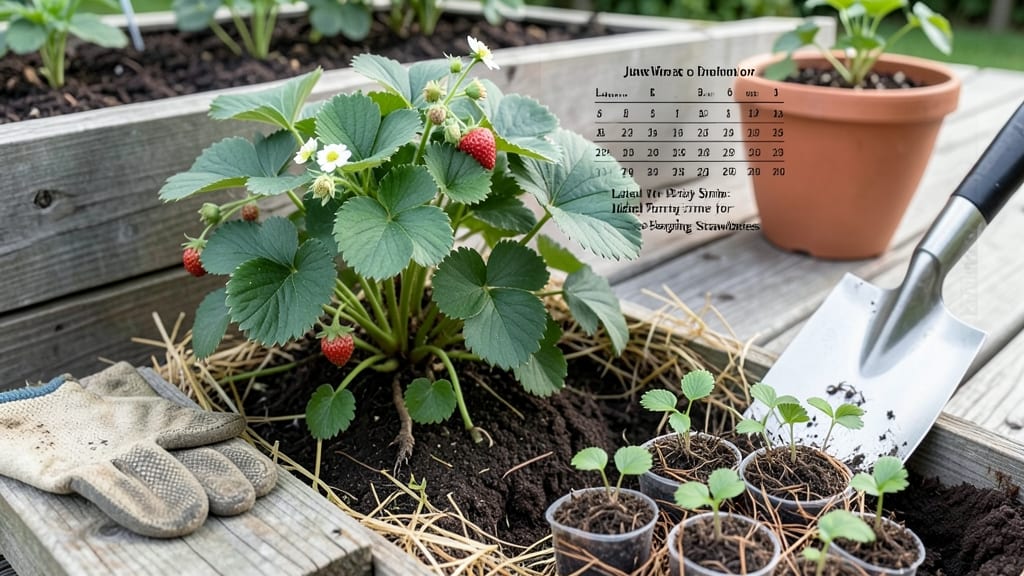
Planting strawberries in Oklahoma isn’t just about grabbing a few plants and sticking them in the ground—it’s about beating the clock before the heat or frost ruins your chances.
With Oklahoma’s USDA Zones 6b-7a, timing matters more than you might think, and getting it wrong could mean waiting another year for those sweet, juicy 🍓 berries.
The key to success? Planting in the right window—whether that’s the crisp air of early spring (February-April) or the cooler days of fall (September-October). Miss these months, and you risk stunted growth or even lost plants before they bear fruit.
But don’t worry—I’ll walk you through the exact steps to plant strawberries so they thrive, no matter which season you choose.
You’ll also discover how to prepare your soil, pick the best varieties for Oklahoma’s climate, and even extend your harvest season with simple tricks. Whether you’re a first-time gardener or a seasoned pro, these tips will help you avoid common mistakes and enjoy a garden full of homegrown strawberries.
Ready to turn your Oklahoma garden into a strawberry paradise? Let’s dive into the best planting times, soil prep, and care tips so you can start harvesting sooner than you think.
Best planting months for strawberries in Oklahoma’s heat zone 8
Oklahoma’s Heat Zone 8 climate—with its hot summers and variable frost dates—demands precise timing for strawberry planting. The ideal window spans February through April for spring planting and September through October for fall. This timing ensures strawberries establish roots before Oklahoma’s summer heat peaks or winter freezes arrive.
Spring planting gives you a May-June harvest, while fall planting extends yields into November-December. Both strategies work, but each comes with trade-offs. Spring planting risks early frost damage, while fall planting may struggle with late-season heat stress. Let’s break down the best months and why they matter.
📅 Key Dates to Remember:
- Last frost date in Oklahoma: March 15
- First frost date: November 15
- Frost-free growing season: 165 days
These dates shape your planting window to avoid frost-related losses.
For spring planting, aim to plant 4-6 weeks before your last frost. In Oklahoma, that’s typically late February to early April. This gives strawberries enough time to establish roots before the summer heat kicks in.
If you plant too early, they may bolt (send up flower stalks) before the soil warms enough for robust growth.
For fall planting, plant 6-8 weeks before your first frost, which in Oklahoma lands in September-October. Fall-planted strawberries benefit from cooler temperatures and consistent moisture, setting them up for a winter harvest.
However, avoid planting too late, or the plants won’t have enough time to root before winter dormancy.
| Planting Window | Best Months | Harvest Time | Key Consideration |
|---|---|---|---|
| Spring Planting | February - April | May - June | Avoid early frost; ensure root establishment before heat |
| Fall Planting | September - October | November - December | Plant early enough for root growth before frost |
| Microclimate Adjustments | January, May, August, November | Extended or staggered harvests | Use for high-altitude areas or protected gardens |
Oklahoma’s microclimates can shift planting windows by 2-4 weeks. For example, high-altitude areas like the Ozark Mountains may experience frost 2 weeks later than Oklahoma City. Similarly, urban heat islands in cities like Tulsa can delay frost, extending your planting window.
Always check your local USDA Hardiness Zone (Oklahoma spans 6b-8a) for precise adjustments.
If you’re unsure about your exact frost dates, use bloom indicators like redbud trees or crabapple blossoms, which typically bloom around early March in Oklahoma. Planting when these trees bloom signals it’s safe to put strawberries in the ground.
This natural cue aligns with soil temperatures reaching 40-50°F, ideal for strawberry root growth.
For everbearing varieties (like Seascape or Ozark Beauty), consider staggered planting—plant half in spring and half in fall. This doubles your harvest potential by spreading yields across May-June and November-December. Just ensure each batch gets the right timing for its planting season.
Pro tip: If you’re planting bare-root strawberries, soak the roots in water for 1-2 hours before planting to rehydrate them. This is especially critical in Oklahoma’s dry spring winds, which can dry out roots quickly.
For potted strawberries, plant them with the crown just above soil level to prevent rot during heavy rains.
Step-by-step strawberry planting guide for Oklahoma gardeners
Now that you’ve picked your planting window, let’s get your strawberries into the ground the right way. Oklahoma’s clay-heavy soils and intense summer heat mean proper soil prep and planting techniques are non-negotiable.
Start by testing your soil’s pH (ideal: 5.5-6.8)—Oklahoma’s alkaline soils often need sulfur or peat moss to lower pH. If your soil is compacted, mix in 2-3 inches of compost or well-rotted manure to improve drainage and fertility.
Choose your strawberry varieties wisely: June-bearing types (like Chandler) produce one big harvest but need winter protection, while everbearing varieties (like Seascape) give smaller yields twice a year.
For Oklahoma’s climate, day-neutral varieties (like Ozark Beauty) are my top recommendation—they fruit continuously in warm weather and handle heat better than traditional types.
Before planting, amend your soil with a 50/50 mix of compost and native soil. Strawberries hate soggy roots, so raise beds slightly (6-12 inches high) if your yard drains poorly. In Oklahoma’s USDA Zone 7a, this elevation helps prevent root rot during our humid summers.
Space plants 12-18 inches apart in rows 24 inches apart to allow airflow and easy weeding.
- 1 Soil Prep: Till soil to 12 inches deep, removing weeds and rocks. Mix in compost and balanced fertilizer (10-10-10).
- 2 Planting Position: Place crowns (where leaves meet roots) just above soil level. Burying too deep causes rot; leaving exposed risks sunburn.
- 3 Spacing: Space plants 12-18 inches apart in rows 24 inches apart. Use a straw mulch ring (4 inches high) to retain moisture.
- 4 Watering In: Water deeply (1-1.5 inches) immediately after planting. Use a soaker hose to avoid wetting leaves.
- 5 Mulching: Apply 3-4 inches of straw mulch around plants (not touching crowns) to suppress weeds and retain moisture.
For bare-root plants, soak roots in water for 1-2 hours before planting to prevent transplant shock. Oklahoma’s spring winds can dry out roots quickly, so work fast once you’ve prepared the hole.
If planting potted strawberries, remove the pot and loosen roots gently before placing in the ground. This encourages new root growth into the surrounding soil.
After planting, avoid fertilizing for 4-6 weeks—strawberries are light feeders and can scorch in Oklahoma’s heat if over-fertilized. Instead, side-dress with compost tea every 4-6 weeks during the growing season.
For container gardening, use a 5-gallon pot per plant with well-draining potting mix and place in full sun (at least 6 hours daily).
Pro tip: In Oklahoma’s Zone 7a, protect newly planted strawberries from late spring frosts using frost cloth or a mini greenhouse. Even a light frost can damage tender new growth.
Once established, strawberries are surprisingly resilient—but giving them a head start in a protected microclimate pays off big time for your first harvest.