
Companion Plants
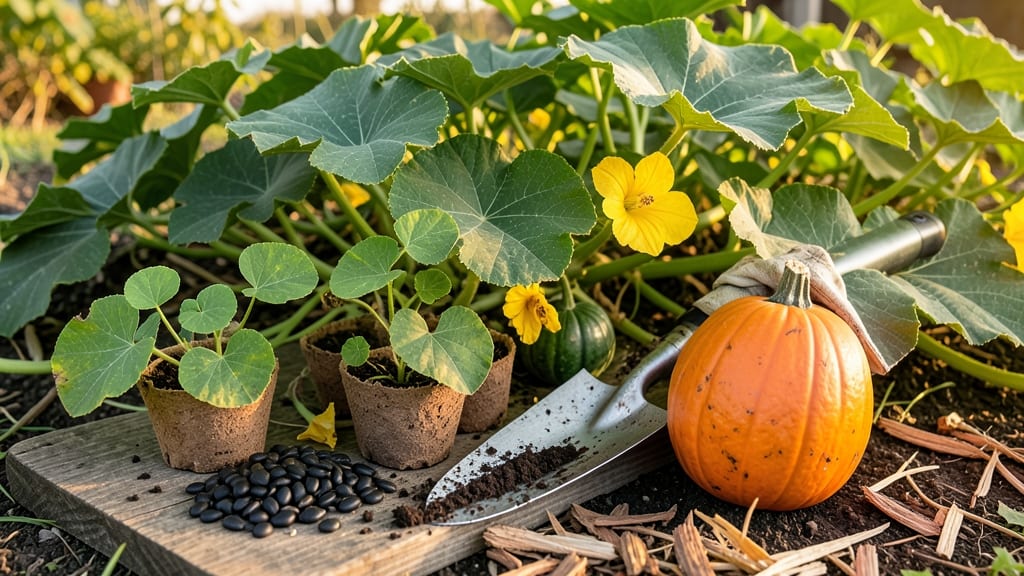
Planting pumpkins in Kansas isn’t just about checking a calendar—it’s about waiting for that perfect soil warmth that triggers fast germination and avoids frost damage. With USDA zones 5b-6b and unpredictable spring weather, timing your 🎃 seeds right means the difference between a thriving vine and a failed crop.
Most Kansas gardeners swear by planting between late April and early May, but soil temperature is the real game-changer. Seeds need at least 60°F soil to sprout quickly, and waiting too long risks blights or pests.
I’ll break down how to read Kansas’ frost maps and adjust your schedule for fast, reliable growth—no guesswork involved.
Whether you’re growing a quick-maturing ‘Jack Be Little’ or a classic ‘Howden,’ knowing when to plant ensures you’ll have pumpkins ready for harvest by late September. Let’s dive into the exact steps to time your planting for a bumper crop—without the frustration.
From black plastic mulch hacks to reading local weather trends, I’ll share the pro tips Kansas gardeners use to extend their growing season safely. Ready to turn your patch into a pumpkin powerhouse? Let’s get started.
Kansas pumpkin planting timeline: soil temperature vs. frost dates
Timing your pumpkin planting in Kansas isn’t just about checking a calendar—it’s about waiting for the soil to warm up to 60°F+. Cold soil slows germination, leaving seeds vulnerable to rot.
Most Kansas regions (USDA Zones 5b-7a) see last frost dates between mid-April and early May, but soil warmth lags behind air temperature by weeks.
For example, Wichita’s average last frost is April 15, but soil may not hit 60°F until late April or early May. In colder areas like Hays, wait until May 1 or later.
Planting too early risks seed rot or fungal diseases like powdery mildew, while waiting too long shortens the growing season.
Here’s how to align your planting with Kansas’ unique climate triggers:
| Region | Avg. Last Frost | Soil 60°F+ Trigger | Ideal Planting Window | Risk if Planted Early |
|---|---|---|---|---|
| Kansas City | April 20 | Late April | May 1–15 | Seed rot, blight |
| Topeka | April 15 | Early May | May 10–25 | Fungal diseases |
| Wichita | April 15 | Late April | April 30–May 10 | Slow germination |
| Hays | May 1 | Early May | May 15–30 | Late-season pests |
Use a soil thermometer to confirm warmth—plant only when readings stay above 60°F for 3+ days. Morning is the best time to check, as soil cools overnight. Pro tip: Warm soil faster by covering bare spots with black plastic mulch 1–2 weeks before planting.
Kansas’ 165-day frost-free season means you’ve got room for mistakes, but late plantings (after June 1) may not mature before frost. Fast-maturing varieties like ‘Jack Be Little’ (75 days) give you flexibility, while heirlooms like ‘Howden’ (110+ days) demand early starts.
For extra insurance, start seeds indoors 2–3 weeks before transplanting (use biodegradable pots to avoid root disturbance). Harden off seedlings by placing them outdoors for 2–3 hours daily the week before transplanting. This buys you 10–14 extra days of growth before the first frost.
Watch for late-season pests like squash vine borers after mid-August. If you’re pushing the season, opt for resistant varieties like ‘Autumn Gold’ or ‘Cinderella’ (80–90 days). Always plant near marigolds or nasturtiums to repel borers naturally.
Track local conditions using the Kansas Department of Transportation’s frost maps (KDOT) or the Midwestern Regional Climate Center. These tools predict frost dates with 90% accuracy for Kansas, helping you adjust planting dates yearly.
Remember: Pumpkins need 90–120 days of warmth to mature. If your first frost is October 15, count backward to determine your last possible planting date. For example, a 90-day variety planted on July 15 might just make it—but with row covers for protection.
🎃
Best pumpkin varieties for Kansas gardens and their planting adjustments
Kansas gardeners have a short but intense growing season for pumpkins, so choosing the right variety can make or break your harvest. Fast-maturing varieties like 'Jack Be Little' (75 days) thrive even in cooler areas, while longer-season types like 'Howden' (100+ days) need early starts to avoid frost damage.
The key is matching your planting date to the variety’s maturity timeline.
For example, 'Cinderella' (85 days) is perfect for late April plantings in Wichita, while 'Sugar Pie' (90 days) works better in Kansas City’s slightly cooler climate. Always check your USDA Zone 5b-6b and local frost dates—some varieties need a 2-3 week head start indoors if you’re pushing the season’s limits.
Here’s how to adjust planting times for popular Kansas varieties:
| Variety | Days to Maturity | Ideal Planting Window | Spacing (ft) | Kansas Notes |
|---|---|---|---|---|
| Jack Be Little | 75-80 | Late April–early May | 3x3 ft hills | Best for short seasons; handles cool nights well. |
| Howden | 100-120 | Mid-April (start indoors) | 4x4 ft hills | Needs early start; avoid late plantings in Zone 5b. |
| Cinderella | 85-90 | Late April–early May | 3x3 ft hills | Great for Wichita’s heat; resistant to powdery mildew. |
| Sugar Pie | 90-100 | Early May | 4x4 ft hills | Ideal for Kansas City’s climate; sweet flesh. |
If you’re growing pie pumpkins like 'Sugar Pie', prioritize soil warmth—these varieties need consistent 70°F+ temps to set fruit. For carving pumpkins, aim for 'Howden' or 'Gladiator' (110 days), but plant them indoors by March 15 for outdoor transplanting in May.
Pro tip: Use black plastic mulch to warm soil faster for late varieties. This trick adds 2-3 weeks to your effective growing season—critical for long-season pumpkins in Kansas’ shorter frost-free periods.
Always space hills 5-6 feet apart to prevent disease spread, and thin seedlings to 2-3 per hill once they’re 4 inches tall. Overcrowding leads to blossom end rot and smaller pumpkins—something no Kansas gardener wants!
🎃