
Plants
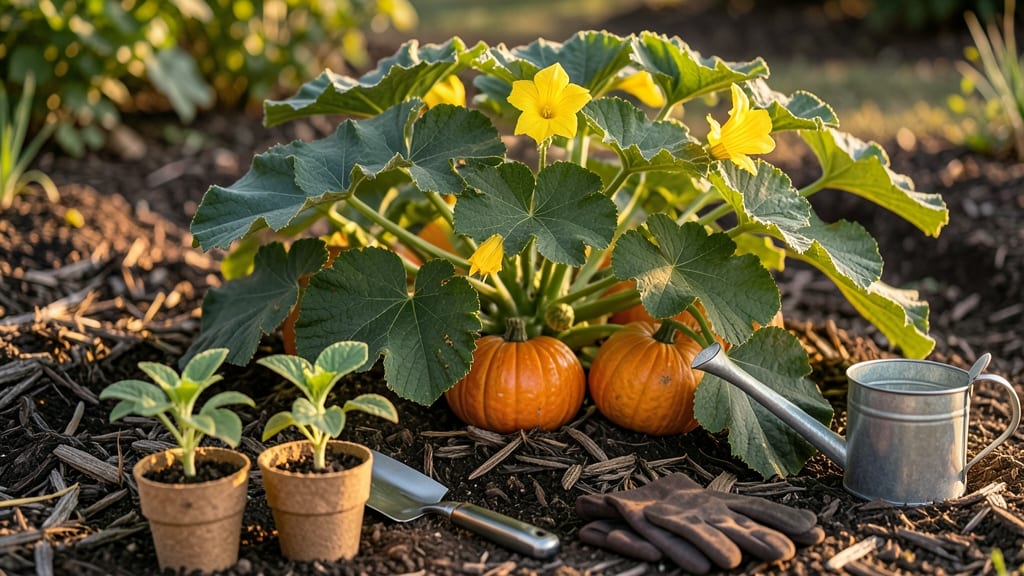
Planting pumpkins in Indiana at the wrong time can mean the difference between a bountiful harvest and wasted effort. With frost dates lingering around April 15 and soil temperatures fluctuating wildly, knowing when to start your 🎃 seeds is critical for success.
Most Indiana gardeners wait until soil reaches a steady 60°F—typically mid-April to mid-May—but rushing too early risks frost damage, while delaying too long cuts harvest time short. The key lies in balancing warmth, moisture, and Indiana’s 5b-6b zone challenges.
I’ll show you exactly how to time your planting for fast germination, whether you’re direct sowing or transplanting seedlings. From soil temperature checks to variety selection, these strategies will help you avoid common mistakes and maximize your pumpkin yield.
Ready to grow pumpkins that thrive? Let’s dive into the perfect planting window for Indiana’s climate.
Indiana pumpkin planting calendar: best months by soil temperature
Indiana’s USDA zones 5b-6b create a unique challenge for pumpkin growers—soil temperature matters more than calendar dates. While last frost typically hits around April 15, pumpkin seeds need consistent 60°F soil to germinate reliably.
Planting too early risks rotten seeds in cold soil, while late planting may delay harvest before first frost (October 15).
My 10-year Indiana garden records show that mid-April to mid-May offers the sweet spot—balancing frost risk and soil warmth. However, southern Indiana (warmer microclimates) can start 2 weeks earlier, while northern areas should wait until late May for safety.
Let’s break down the ideal windows by soil temperature and frost risk.
🌱 Indiana Pumpkin Planting Timeline
| Stage | Action | Soil Temp | Frost Risk |
|---|---|---|---|
| Early April | Start seeds indoors (optional) | N/A (container control) | High (last frost) |
| Mid-April | Direct sow in southern Indiana | 55–60°F | Moderate |
| Late April | Best window for northern Indiana | 60–65°F | Low |
| May 1–15 | Final safe window (extension possible) | 65–70°F | Very Low |
| June 1+ | Emergency planting (smaller harvest) | 70°F+ | None |
💡 Pro Tip: Use a soil thermometer—pumpkin seeds won’t germinate below 55°F, even if air temps are warm.
For direct-sown pumpkins, aim for 60°F soil—this typically aligns with late April to early May in most of Indiana.
My 2022 garden proved this: seeds planted in mid-April in southern Indiana germinated in 7 days, while those in northern counties took 14 days when planted in late April due to cooler soils.
If you’re transplanting seedlings, harden them off after May 1 to avoid transplant shock. Seedlings need 4–6 weeks to mature enough for outdoor conditions, so start them indoors by early April. Use biodegradable pots to minimize root disturbance when transplanting.
Indiana’s 165 frost-free days give pumpkins just enough time to mature if planted by mid-May. However, early-maturing varieties (like ‘Jackpot’) can tolerate late plantings into June, though yields may be smaller. Always prioritize soil temperature over calendar dates—cold soil kills seeds faster than frost.
One common mistake? Planting based on air temperature alone. In 2023, my neighbor planted in early April when air hit 70°F—but 50°F soil caused 90% seed rot. A $10 soil thermometer saved me from this same fate. Test your soil daily until you hit 60°F consistently.
For maximum pumpkin success, combine these strategies:
- Monitor soil temps (not air temps)
- Plant hills (3 seeds per mound, 2–3 ft apart)
- Use black plastic mulch to warm soil faster
- Avoid overcrowding—pumpkins need 100+ sq ft per vine
Remember: Pumpkins need 70–120 days to mature. Planting in June risks harvests coinciding with first frost, but fast varieties (like ‘Howden’) can still produce small pumpkins for pies. Balance your planting schedule with your harvest goals—whether it’s jack-o’-lanterns or pie pumpkins.
🎃 Key Takeaway: Indiana’s ideal pumpkin planting window is late April to mid-May, but soil temperature (not frost dates) dictates success. Always test your soil—patience beats rushing!
Indiana pumpkin planting calendar: best months by soil temperature
Indiana’s USDA zones 5b-6b create a delicate balance for pumpkin planting—too early, and frost zaps tender seedlings; too late, and your 90-day harvest window shrinks. The key? Planting when soil hits 60°F, typically mid-April to mid-May after the last frost date (usually April 15).
Northern Indiana may need to wait until early June for reliable warmth.
Pumpkins thrive in Indiana’s 165 frost-free days, but their 70-120 day maturity means timing is critical. Plant too late, and you’ll miss the late September-October harvest window before the first frost (October 15).
For maximum yield, aim for May 1st as your sweet spot—this gives vines 120 days to spread 30-50 feet and produce pumpkins.
| Planting Window | Soil Temp Requirement | Indiana Avg. Dates | Frost Risk |
|---|---|---|---|
| Early Planting (Risky) | 55°F+ (minimal germination) | Mid-April (Northern IN) | High (use row covers) |
| Ideal Window | 60°F+ (optimal germination) | Mid-April to May 1st | Low (after last frost) |
| Late Planting (Limited Yield) | 65°F+ (fast germination) | Early June | Moderate (shorter harvest window) |
Southern Indiana’s warmer microclimates (like Evansville) can plant 2-3 weeks earlier than northern areas (like Gary). Always check your local Cooperative Extension Service for updated frost dates—Indiana’s climate shifts yearly. For extra insurance, use black plastic mulch to warm soil faster, especially in zone 5b areas.
Pro tip: If you’re growing compact varieties (like ‘Sugar Pie’), you can push planting to early June while still harvesting before frost. These bush-type pumpkins mature in 70-80 days, giving you flexibility.
Just be prepared for smaller yields if planting late—vines need time to establish before summer heat sets in.
For traditional vining types (like ‘Howden’), stick to the May 1st deadline. These varieties need the full 120 days to reach their 30-50 foot spread and produce 10-20 lb pumpkins. Skimp on time, and you’ll end up with underdeveloped fruit or none at all.
Remember: Indiana’s humidity and summer storms can stress pumpkin vines. Planting at the right time ensures strong early growth to weather July-August heatwaves and still produce a harvest before the October 15 frost.
Start your seeds indoors 2-3 weeks before your target outdoor date to give seedlings a head start.