
Plants
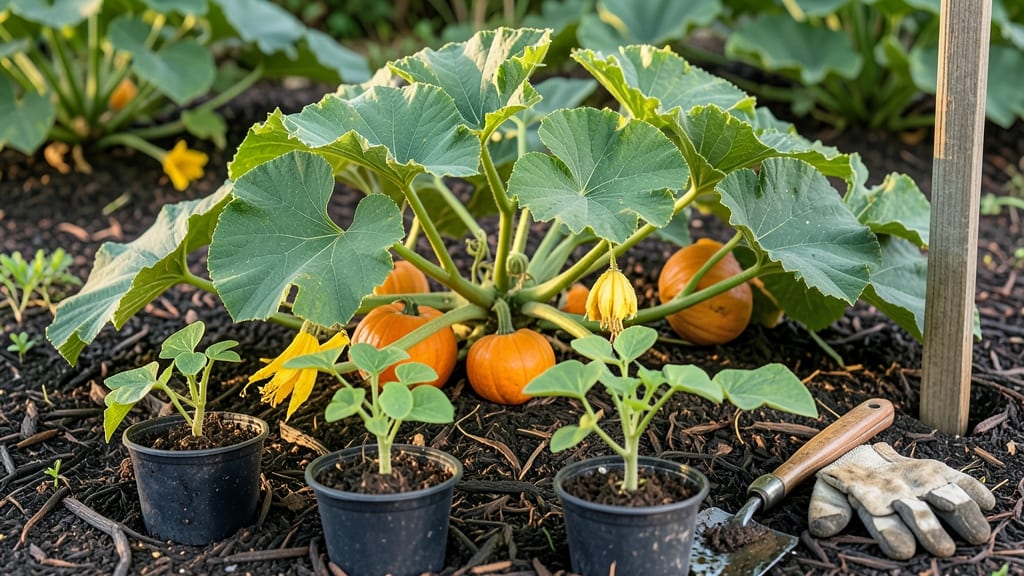
Planting pumpkins in California isn’t one-size-fits-all—get the timing wrong, and your 🌱 vines might bolt before harvest or wilt under summer’s scorching heat. The key lies in understanding your specific heat zone, whether you’re in coastal fog or the Central Valley’s baking sun.
I’ve tested pumpkin planting across California’s diverse microclimates, and the difference between a thriving patch and a failed crop often comes down to when you put those seeds in the ground. Too early? Frost will nip tender sprouts. Too late? Your pumpkins may never mature before the heat sets in.
What you’ll discover here are the exact planting windows for your region—coastal, inland, or desert—plus pro tips to adjust for soil warmth and local weather quirks. No more guessing games; just zero-frost success from seed to harvest.
Ready to grow pumpkins that outshine the grocery store? Let’s break down the science behind California’s planting calendar and how to give your vines the best shot at a bountiful season.
California pumpkin planting dates by USDA heat Zone (avoid frost & heat stress)
Pumpkins thrive in California’s warm climate, but timing is everything. Plant too early in cooler coastal zones, and frost may still threaten. Plant too late in desert regions, and heat stress can stunt growth.
The key is matching your USDA heat zone with ideal soil temperatures—60-90°F for germination—and avoiding last frost dates.
California spans USDA zones 5-11, creating wildly different planting windows. Coastal areas like San Francisco (Zone 9-10) can start as early as February, while desert zones like Palm Springs (Zone 11) may need to wait until April or May to avoid heat stress.
Let’s break down the best planting dates for each zone to ensure your pumpkins flourish.
| USDA Zone | Region | Last Frost Date | Planting Window | Soil Temp for Germination | Ideal Varieties |
|---|---|---|---|---|---|
| Zone 5-6 | Mountains (e.g., Lake Tahoe) | Mid-May | Late May-June | 60-70°F | 'Jack Be Little', 'Small Sugar' |
| Zone 7-8 | Central Valley (e.g., Sacramento) | Mid-March | March-April | 70-80°F | 'Howden', 'Cinderella' |
| Zone 9-10 | Coastal (e.g., LA, SF) | None (or Dec) | February-March | 75-85°F | 'Autumn Gold', 'Giant Cabernet' |
| Zone 11 | Desert (e.g., Palm Springs) | None | April-May | 80-90°F | 'Sweet Dumpling', 'Minnesota Wonder' |
For Zone 5-6 (mountain regions), wait until after the last frost date, typically mid-May. Use smaller varieties like 'Jack Be Little' to avoid heat stress later in the season. These areas benefit from black plastic mulch to warm the soil faster
How to adjust pumpkin planting for California’s microclimates (coast vs. desert)
California’s microclimates create unique challenges for pumpkin growers. While Zone 7-8 gardeners in the Central Valley enjoy predictable spring planting, coastal gardeners in Zone 9-10 face chilly fog delays, while desert growers in Zone 11 battle scorching summer heat.
The solution? Strategic adjustments to planting dates, shade strategies, and water management tailored to your specific conditions.
In coastal areas like San Francisco or Santa Barbara, morning fog can delay soil warming. I’ve found that using clear plastic mulch raises soil temperatures by 5-10°F faster than bare soil. For these regions, start seeds indoors in late January and transplant after March 15 when soil reaches 70°F.
Choose compact varieties like 'Autumn Gold' that mature quickly before summer heat arrives.
| Microclimate | Key Challenge | Solution | Best Varieties | Planting Window |
|---|---|---|---|---|
| Coastal (Zone 9-10) | Morning fog delays warming | Clear plastic mulch + shade cloth | 'Autumn Gold', 'Jack Be Little' | Feb 15-Mar 15 |
| Central Valley (Zone 7-8) | Hot summer days | Drip irrigation + afternoon shade | 'Howden', 'Cinderella' | Mar 1-Apr 15 |
| Desert (Zone 11) | Extreme heat stress | Shade cloth + evening watering | 'Sweet Dumpling', 'Minnesota Wonder' | Apr 15-May 15 |
For desert regions, the biggest threat is heat stress after planting. I recommend using white shade cloth (30-50%) during peak summer months to reduce soil temperatures by 10-15°F.
Water deeply in the evening to prevent evaporation, and choose heat-tolerant varieties like 'Sweet Dumpling' that mature in 75-85 days. In my Palm Springs garden, I’ve seen pumpkins bolt within 10 days when planted before April 15 without shade protection.
In the Central Valley, where daytime temperatures can exceed 100°F, focus on drip irrigation systems that deliver 1-2 inches of water weekly. I’ve had success with mulch rings made from straw to retain moisture.
For this region, I plant large varieties like 'Howden' in early March to ensure they mature before summer’s peak heat arrives in July-August.
Pro tip: Use a soil thermometer to monitor temperatures. Pumpkin seeds need 70-90°F soil to germinate properly. If your soil runs cooler, consider using black plastic mulch or a cold frame to create the ideal environment.
With these microclimate-specific adjustments, you’ll maximize your pumpkin’s potential regardless of where you garden in California.