
Plants
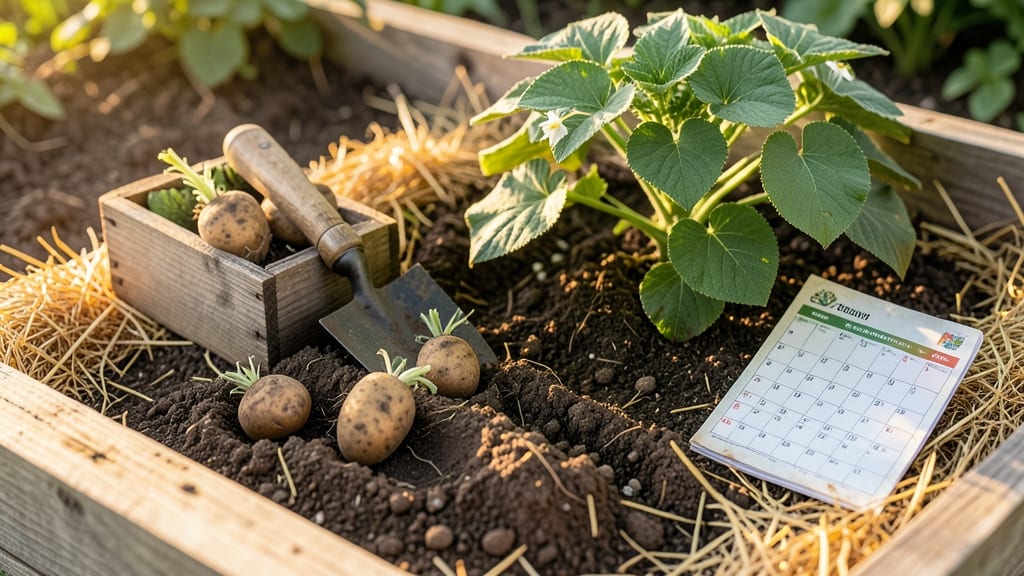
Planting potatoes in North Carolina isn't just about digging in the dirt—it's about timing your 🥔 harvest to outsmart the state's tricky climate.
Whether you're in the Piedmont's rolling hills or the Coastal Plain's milder zones, getting those spuds in the ground at the right moment means the difference between a bumper crop and a bust.
Most gardeners here swear by the February to April window for spring plantings, but did you know fall plantings in September-October can also work? The key lies in understanding your specific USDA zone—whether you're in frost-prone 7a or the more forgiving 8b—and knowing when to expect that last frost.
I'll show you exactly how to sync your planting schedule with North Carolina's unpredictable weather patterns.
You don't need a PhD in agriculture to succeed—just a few smart strategies. We'll cover everything from chitting your seed potatoes to monitoring soil temperatures and adjusting for early vs. late varieties.
With these zone-specific tips, you'll be harvesting homegrown potatoes from June through December, no matter where you garden in the Tar Heel State.
Let's cut through the guesswork so you can focus on what matters most: that first bite of a potato you grew yourself, fresh from your North Carolina soil. Ready to dig in? The clock is ticking—literally—and these insights will help you plant with confidence.
North Carolina USDA zones 7a-8b: exact potato planting dates by last frost timeline
North Carolina’s diverse USDA zones (7a-8b) mean your potato planting window shifts depending on where you garden. In the mountains (7a), frost lingers until mid-April, while coastal areas (8b) can plant as early as February.
Understanding these differences ensures your tubers mature before summer heat or fall frost strikes.
For reliable harvests, aim to plant 2-4 weeks before your region’s average last frost date. In NC, this typically falls between mid-March and early April for most gardeners.
However, early varieties (like Yukon Gold) can tolerate light frosts, while late varieties (like russets) need warmer soil to thrive.
Soil temperature is just as critical as air temperature. Potatoes won’t sprout until the soil reaches 45°F (7°C), but ideal planting occurs when it’s consistently 50°F (10°C).
In Zone 7a, this often means waiting until late March, while Zone 8b gardeners can start as early as February.
Here’s how to align your planting with North Carolina’s microclimates for maximum success:
| USDA Zone | Last Frost Date | Ideal Planting Window | Soil Temp for Planting | Harvest Window |
|---|---|---|---|---|
| 7a (Mountains) | March 20–April 5 | Late March–Early April | 50°F (10°C) | June 15–July 15 |
| 7b (Piedmont) | March 10–March 25 | Early March–Mid-April | 48°F (9°C) | June 1–July 10 |
| 8a (Coastal Plain) | February 25–March 10 | February–Early April | 45°F (7°C) | May 15–June 30 |
| 8b (Coastal) | February 15–February 28 | February–Early March | 43°F (6°C) | May 1–June 15 |
If you’re unsure about your last frost date, check local records or use the NC State Climate Office’s frost maps. For Zone 7a gardeners, planting in early April ensures tubers have 90-120 days to mature before summer heat slows growth.
Meanwhile, Zone 8b gardeners can enjoy earlier harvests by planting as soon as soil is workable in February.
For fall plantings (a lesser-known but effective strategy in NC), aim to plant seed potatoes in September for a winter harvest. This works best in Zones 7b-8b, where first frosts arrive after November 15.
Fall potatoes often produce smaller tubers but can be a great backup crop if spring planting fails.
Pro tip: Use black plastic mulch to warm soil faster in Zone 7a or row covers to protect early plantings from late frosts. These tricks can extend your planting window by 2-3 weeks, giving you more flexibility in NC’s unpredictable spring.
Remember, soil preparation is just as important as timing. Work in compost or aged manure before planting to ensure your potatoes have the nutrients they need for rapid tuber formation.
Aim for loamy, well-draining soil with a pH between 5.0 and 6.5—this is non-negotiable for avoiding scab disease, a common issue in NC’s humid climate.
How to adjust planting for early varieties vs. late-blooming potatoes in NC’s climate
North Carolina’s diverse climate means your potato planting strategy should match the variety you choose. Early-maturing varieties like Red Pontiac or Yukon Gold thrive when planted 2-4 weeks before the last frost, while late-blooming russets need a longer growing season.
The key is aligning your planting window with each variety’s days-to-maturity and your zone’s frost dates.
In USDA Zone 7a (western mountains), early varieties planted in late February to early March avoid frost while still producing harvests by June 15.
Meanwhile, in Zone 8b (Coastal Plain), you can stretch plantings into early April for late varieties like Idaho Russet, which need until July 30 to mature.
Here’s how to match your variety to NC’s climate for maximum success:
| Variety Type | Days to Maturity | Best NC Planting Window | Frost Risk | Harvest Window |
|---|---|---|---|---|
| Early (Red Pontiac) | 60-75 days | Feb 20 - Mar 15 | Low (fast growth) | May 20 - June 15 |
| Mid-Season (Yukon Gold) | 90 days | Mar 1 - Apr 1 | Moderate | June 1 - July 15 |
| Late (Idaho Russet) | 110-120 days | Mar 20 - Apr 15 | High (long season) | July 15 - Aug 30 |
For extended harvests, try staggered planting: plant early varieties first, then mid-season types 2-3 weeks later, and finally late varieties. This spreads your harvest from May through August, giving you fresh potatoes all summer.
Just remember—late varieties planted after April 15 risk not maturing before NC’s first frost in November.
Pro tip: If you’re in Zone 7a and want to grow late varieties, consider chitting your seed potatoes 4-6 weeks before planting to jumpstart growth. This extra time can make the difference between a full harvest and a frost-nipped crop.
Don’t overlook fall plantings for late varieties! In Zone 8b, you can plant russets in September for a November-December harvest—just ensure soil temps stay above 45°F for proper tuber formation. The trade-off? Fall potatoes need consistent moisture to avoid scab disease in NC’s humid autumns.
Your potato patch can be a year-round success story with the right variety timing. Start with early types to test your soil and microclimate, then expand to mid- and late-season varieties once you’ve mastered the basics. Soon, you’ll be the go-to gardener for homegrown potatoes in your neighborhood! 🥔