
Companion Plants
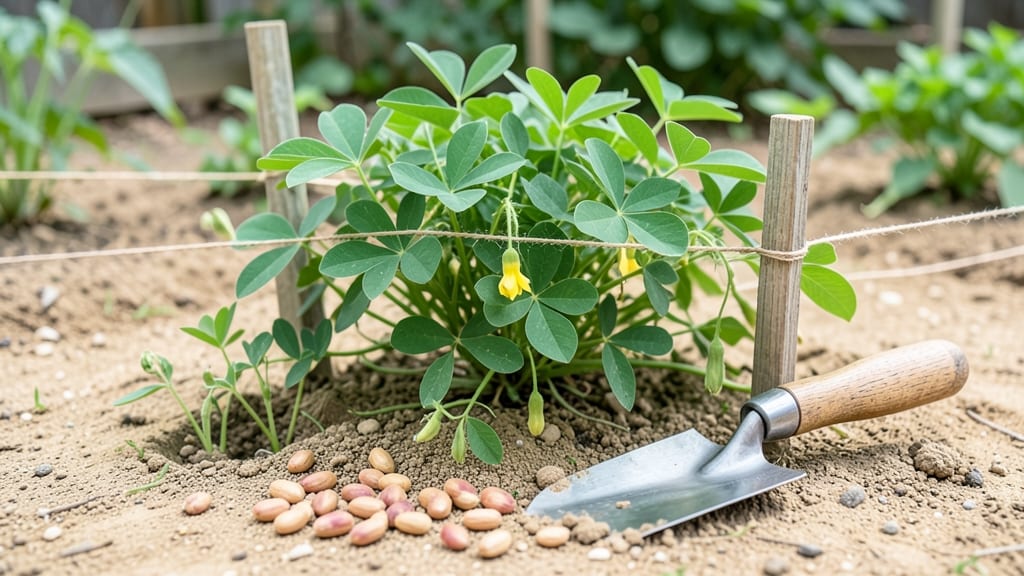
Planting peanuts in North Carolina isn't just about timing—it's about catching that perfect frost-free window between late April and early June when the soil finally warms to 70°F+.
Miss this window, and you risk stunted growth or a harvest too late for NC's 7a-8b climate, where early frosts can sneak in by November.
I've grown peanuts in this region for years, and the difference between a bountiful harvest and a disappointing one often comes down to those first few weeks.
Coastal areas like Wilmington can plant slightly earlier, while the Piedmont's higher elevations may need to wait until early May to avoid chilly soil. The key is understanding your specific microclimate.
What most gardeners don't realize is that peanuts thrive as a summer crop in NC—but only if planted early enough. The 120-day growth cycle means your seeds need to be in the ground by June at the latest if you want pods ready by October.
Let's break down exactly how to time it right for your part of the state.
From soil prep to variety selection, I'll walk you through the critical steps that separate successful peanut growers from those who end up with half-baked harvests. Whether you're a first-timer or a seasoned gardener, these insights will help you maximize your yield in NC's unique growing conditions.
NC peanut planting dates by heat Zone: exact frost-free windows
North Carolina’s diverse climate—from the coastal plains to the mountain regions—means your peanut planting window depends heavily on your USDA heat zone. In Zone 7a (western NC), you’ll plant later than in Zone 8b (coastal areas), where warmer soils arrive earlier.
Aim to plant when soil temperatures hit 70°F+ and stay above 60°F consistently.
Peanuts are a summer crop in NC, thriving in 90°F+ heat. If you plant too early (before last frost), seedlings will rot. Too late, and your harvest may face early fall frosts before maturity.
Most NC gardeners plant between late April and early June, but your exact window shifts by 10–14 days depending on elevation.
Here’s how to pinpoint your ideal planting window by zone, including soil prep tips and maturity timelines for Virginia-type and Spanish-type varieties—NC’s most popular choices.
🌱 Pro Tip: Use a soil thermometer to confirm readiness. Peanut seeds need warmth to germinate—cold soil = stalled growth.
| USDA Zone | Last Frost Date | Planting Window | Soil Temp Requirement | Maturity Window | Notes |
|---|---|---|---|---|---|
| 7a (Mountains) | May 1–15 | Late May–early June | 70°F+ (consistent) | Late Sept–Oct | Short season; choose early varieties (65–90 days). |
| 7b (Piedmont) | April 15–May 1 | Early May–mid-May | 70°F+ (consistent) | Mid-Sept–Oct | Moderate heat; Spanish types excel here. |
| 8a (Coastal) | March 20–April 5 | Late April–early May | 70°F+ (sooner) | Late Sept–Oct | Longer season; stagger plantings for extended harvest. |
| 8b (Southeast NC) | March 1–March 15 | Early April–late April | 70°F+ (earliest) | Oct–early Nov | Hottest zone; late varieties (1
How to adjust planting for early vs. late varieties in NCNorth Carolina’s unpredictable spring weather makes choosing the right peanut variety—and adjusting planting times—a game-changer for your harvest. Early varieties like Virginia-type peanuts mature in just 65–90 days, while late varieties like Spanish-types take 110–135 days to reach maturity. This difference means your planting window can shift by 4–6 weeks, depending on your goals. If you’re aiming for an early summer harvest (July–August), opt for early-maturing varieties and plant as soon as soil warms to 70°F+ in late April. For a fall harvest (September–October), stagger plantings of late varieties in early to mid-May to extend your yield window. Coastal NC gardeners can push planting 2–3 weeks earlier thanks to milder temperatures, while inland areas should wait until after May 1 to avoid late frosts. Staggered planting is my secret weapon for maximizing yield in NC’s short growing season. For example, plant 30% of your early variety in late April, another 30% in early May, and the final 40% in mid-May with a late variety. This strategy ensures a continuous harvest from July through October, reducing waste and giving you peanuts for fresh eating, roasting, or storing. Early Varieties (65–90 Days)
Pros:
Cons:
Late Varieties (110–135 Days)
Pros:
Cons:
For drought-prone areas like the Piedmont region, prioritize late varieties planted in early May to take advantage of summer rains. In coastal NC, where humidity is higher, early varieties planted in late April thrive better due to cooler, wetter springs. Always monitor soil moisture—peanuts need consistent watering during pod development, especially in July and August when NC heat peaks. Pro tip: Use black plastic mulch to warm soil faster in early plantings. This trick can shave 10–14 days off your growing season, giving early varieties a head start against late frosts. Pair this with drip irrigation to maintain even moisture without overwatering, which is critical for preventing peanut rot in NC’s humid summers. If you’re new to peanut growing, start with a 50/50 mix of early and late varieties. This balances risk and reward while helping you learn your local microclimate. For example, gardeners in Raleigh (Zone 7b) often plant Virginia-type peanuts in late April and Spanish-types in early May to cover both summer and fall harvests. |