
Plants
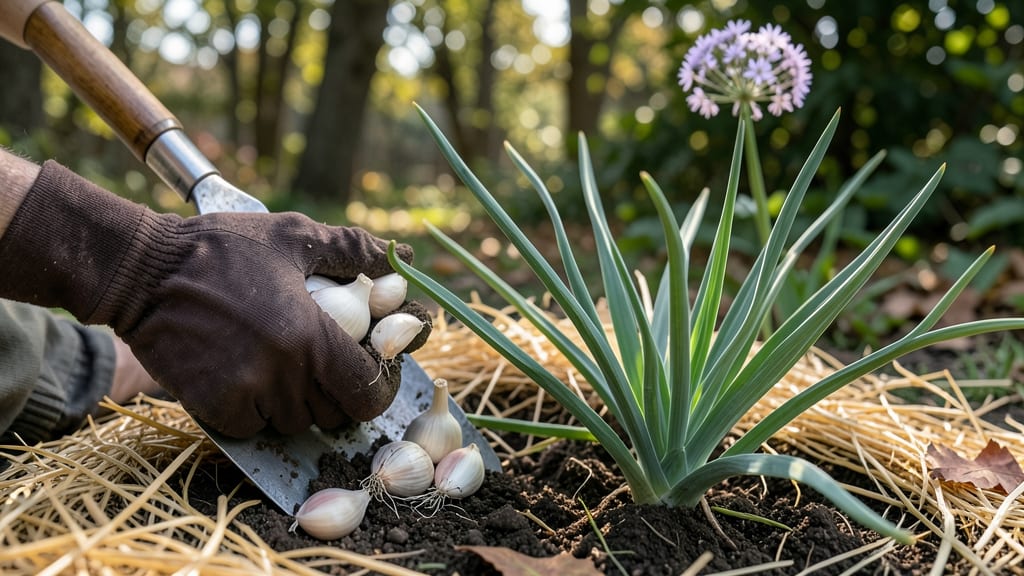
Planting garlic in Vermont isn’t just about timing—it’s about survival. The 6-week window between mid-October and early November separates a thriving harvest from wasted cloves. Whether you’re growing hardneck 🧄 for braiding or softneck for storage, Vermont’s USDA Zones 4b-6a demand precision, especially when frost can sneak in by October.
Most gardeners in Vermont swear by fall planting, but spring is a backup option—if you’re willing to sacrifice bulb size. The key? Planting cloves when soil temps hit 40°F but before the ground freezes solid.
Too early, and your garlic might bolt; too late, and it won’t establish roots before winter sets in.
Here’s what you’ll learn: the exact planting schedule for hardneck vs. softneck varieties, how to adjust for Vermont’s microclimates (yes, even a few miles matter), and the 3 biggest mistakes that kill yields. No more guessing—just data-driven timing for your best-ever garlic harvest.
Ready to turn your Vermont garden into a garlic powerhouse? Let’s get into the details—because in Zone 4, patience (and timing) is everything.
Vermont garlic planting calendar: hardneck vs softneck by month
Timing is everything when planting garlic in Vermont, where USDA Zones 3-4 mean a 6-week window separates success from failure. Miss the mark, and you’ll end up with small bulbs or no harvest at all.
The key? Planting 4-6 weeks before hard frost—typically between mid-October and early November—when soil temps drop below 50°F but before the ground freezes solid.
Vermont’s hardneck garlic (like German White or Chesnok Red) thrives in cold winters, while softneck varieties (such as Silverskin) need slightly warmer soil. Both require well-draining soil and full sun exposure—critical for bulb formation. Let’s break down the month-by-month schedule to nail your planting timing.
🌱 Visual Guide: Use this table to match your garlic type with Vermont’s optimal planting window and soil conditions.
| Month | Hardneck Garlic | Softneck Garlic | Soil Temp | Moon Phase |
|---|---|---|---|---|
| Mid-October | ✅ Ideal (best flavor) | ⚠️ Risky (cold stress) | 45–50°F | Waxing gibbous |
| Late October | ✅ Safe (best balance) | ✅ Safe (warmer soil) | 40–45°F | Full moon |
| Early November | ⚠️ Late limit (smaller bulbs) | ⚠️ Late limit (risk of heaving) | 35–40°F | Waning crescent |
| March (Spring) | ❌ Avoid (poor yield) | ✅ Possible (softer necks) | 40–45°F | Waxing crescent |
For hardneck garlic, aim for planting by October 15th in northern Vermont (e.g., Burlington) and by November 1st in southern regions (e.g., Bennington). Softneck varieties can tolerate slightly later plantings but still risk heaving (bulbs pushing above soil) if frozen too early.
Always plant cloves pointy-side up, 2 inches deep, and 6 inches apart.
Pro tip: Check soil temps with a soil thermometer—ideal temps are 40–50°F. If temps drop below 35°F, mulch with straw or leaves to insulate cloves. Moon phases matter too: Plant during a waxing moon for stronger roots and bulb development.
Spring planting is not recommended for hardneck garlic in Vermont—it yields smaller bulbs with less flavor. However, softneck varieties can handle spring planting if you’re desperate, but expect longer harvest times and weaker scapes. Always prioritize fall planting for the best results.
Missed the fall window? Don’t panic. You can still plant in early March for a smaller harvest, but bulbs won’t mature until next summer. This is only viable for softneck garlic—hardnecks won’t survive Vermont’s winters if planted this late.
Once planted, mark your garlic rows with stakes or flags to avoid disturbing them in spring. Vermont’s unpredictable freeze-thaw cycles can push bulbs to the surface, so mulch heavily (4–6 inches) after planting. This protects cloves and prevents heaving, a common issue in our climate.
Remember: Garlic needs 6–8 months to mature in Vermont’s short season. Planting too late means bulbs won’t fully develop before summer heat arrives. Hardne
How to adjust planting time for Vermont’s microclimates
Vermont’s microclimates can turn a neighbor’s successful garlic harvest into your own gardening disaster. A 5-mile elevation change or shift from a northern frost pocket to a southern urban heat island alters your planting window by weeks.
For example, Burlington’s Zone 5a often has 2 weeks longer of workable soil than St. Johnsbury’s Zone 3b. Ignoring these differences means risking heaving bulbs (when freezing/thawing cycles push garlic out of the soil) or stunted growth.
Start by checking your last frost date. In northern Vermont, frost can arrive by September 20th, while southern regions may wait until October 10th. Plant garlic 4-6 weeks before that date—so adjust your schedule accordingly.
Use a soil thermometer ($15 at garden centers) to confirm temps are 40-50°F at planting time. If your yard is colder than average, opt for earlier planting (mid-September)—but avoid soggy soil, which invites rot.
Urban gardeners in heat-island areas (like downtown Burlington) might push planting to early November, but this risks shallow roots. Test your soil’s drainage first: Dig a 12-inch hole, fill it with water, and time how long it takes to drain.
If it’s slower than 6 hours, amend with compost or sand before planting.
⚠️ Late Planting Risks in Vermont
Problem: Planting after October 20th in most of Vermont increases heaving risk by 40% due to freeze-thaw cycles.
Solution: If you miss the fall window, spring-plant garlic in March—but expect smaller bulbs (30-50% yield loss vs. fall planting).
Warning: Never plant garlic after November 15th unless you’re in Zone 5+ with heated beds.
Frost pockets—common in valleys and low-lying areas—require extra caution. If your yard gets 3+ extra frost days than the average, plant 2 weeks earlier than the general schedule.
Use straw mulch (4-6 inches) to insulate bulbs during winter. In contrast, south-facing slopes can stay workable 10 days longer, giving you flexibility for late plantings.
Pro tip: Hardneck varieties (like German White or Chesnok Red) handle Vermont’s winters better than softnecks. Their hardier cloves survive deeper freezes, making them ideal for northern zones (3-4).
If you’re in Zone 5+, you can experiment with softnecks for storage, but plant them 2 weeks earlier than hardnecks to compensate for slower root establishment.
Finally, track your local frost dates for 3 years to refine your schedule. Vermont’s climate shifts yearly—what worked in 2022 might fail in 2024. Keep a gardening journal with notes on planting dates, mulch depth, and bulb size. Over time, you’ll spot patterns and adjust your timing like a pro.