
Plants
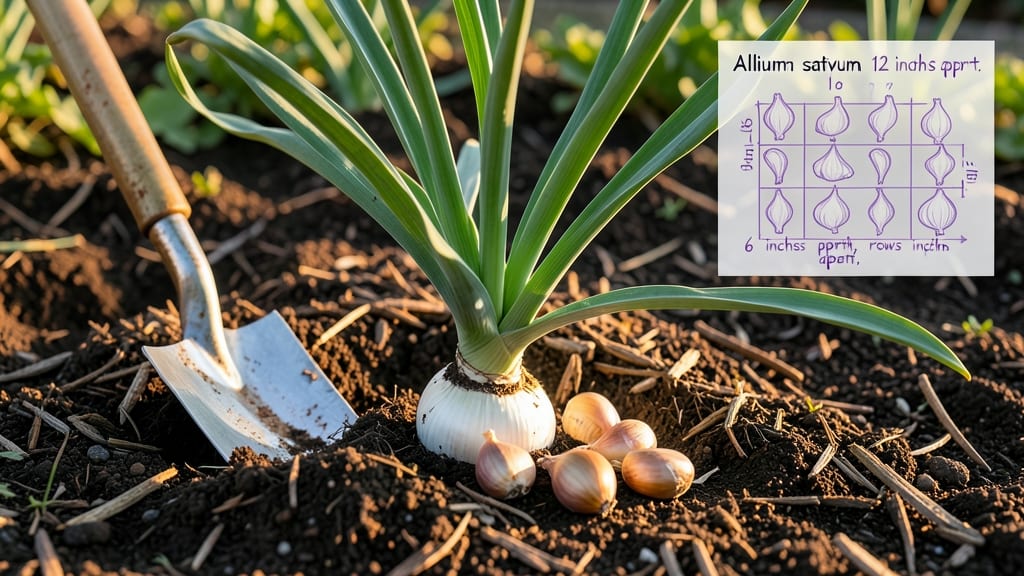
Planting garlic in North Carolina at the wrong time could mean the difference between a bountiful harvest of flavorful bulbs and a disappointing flop.
The secret to success lies in understanding your local climate zones—whether you're in the cooler mountains of Asheville or the milder coastal plains—and choosing the right variety for your 6a-8b hardiness zone.
Most North Carolina gardeners know fall is the prime window, but timing matters more than you think. Hardneck varieties need cold winters to form bulbs, while softnecks thrive in milder conditions.
I’ll show you exactly when to plant each type, from October’s ideal window to late winter adjustments, so you can avoid common mistakes that waste your effort.
Ready to grow garlic that rivals store-bought? The key is planting 4-6 weeks before the ground freezes, typically between October and November, but with adjustments for your specific microclimate. Let’s break down the exact steps to maximize your harvest next summer.
Whether you’re a beginner or a seasoned gardener, these insights will help you grow garlic that’s larger, healthier, and full of flavor. No more guessing—just proven methods tailored to North Carolina’s unique growing conditions.
North Carolina garlic planting calendar: hardneck vs softneck months by climate zone
North Carolina’s diverse climate—from the coastal plains to the mountain regions—means your garlic planting window depends heavily on your USDA zone. Most of the state falls within zones 7a-7b, but elevation changes can shift your ideal planting dates by 2-4 weeks.
For example, Asheville gardeners in zone 7a should plant earlier than those in zone 8a along the coast.
Garlic thrives when planted 4-6 weeks before the ground freezes, giving roots time to establish before winter dormancy.
In NC, this typically means October through November for most regions, but hardneck varieties—like ‘Silverskin’ or ‘Rocky Mountain’—need cold exposure to form bulbs, while softneck types (e.g., ‘Artichoke’) are more flexible and can handle milder winters.
Spring planting is possible but risky in NC due to summer heat stress. If you miss fall, aim for late February in zones 7a-7b, but expect smaller bulbs.
Harvest timing is consistent across varieties: late June to July of the following year, when lower leaves brown but upper leaves remain green.
Here’s how your USDA zone and garlic type influence planting:
For precise frost dates, check the NC State Extension’s Frost/Freeze Probability Maps. For example, Charlotte’s average first frost is October 30, while Wilmington’s is November 15. Planting too early in coastal zones can lead to rot or poor bulb development.
Hardneck varieties like ‘German White’ or ‘Chesnok Red’ are ideal for NC’s cooler mountain regions, while softnecks such as ‘California Early’ handle the milder coastal winters better. Always choose certified disease-free cloves from reputable suppliers to avoid fungal issues like basal rot.
Pro tip: Test your soil’s pH (6.0–7.0 ideal) before planting. NC’s clay-heavy soils often need compost or sand for drainage. Amend beds with aged manure or compost 2–3 weeks before planting to give roots a nutrient boost.
🌱
5 Critical factors that determine your exact planting window in NC
North Carolina’s diverse climate—from the coastal plains to the mountain regions—means your garlic planting window isn’t one-size-fits-all. Even within a 50-mile radius, frost dates can shift by weeks. Here’s how to pinpoint your perfect timing beyond just the calendar month.
First, check your USDA hardiness zone (NC ranges from 7a in the coast to 6a in the mountains). Hardneck varieties need 40-60 days below 40°F to form bulbs, while softnecks tolerate milder winters.
Use the NC State Extension frost maps to find your first frost date—plant 6 weeks before that date for hardnecks or 4 weeks before for softnecks.
Next, test your soil temperature. Garlic cloves need soil at 40-50°F to sprout. Use a soil thermometer—if temps are above 60°F, wait.
Coastal areas like Wilmington may need December planting, while Asheville gardeners can start in early October. Elevation matters too: Mountain zones (like USDA 6a) can plant earlier than Piedmont areas.
Your microclimate plays a huge role. A south-facing slope warms faster than a shady valley. Notice where frost lingers in your yard—plant later in those spots.
Even a 5-foot difference in elevation can mean 2-3 weeks of timing variation. Observe where winter greens thrive longest in your garden; that’s your garlic’s sweet spot.
Don’t ignore moisture levels during planting. Soil should be moist but not soggy—garlic hates waterlogged roots. If your fall is exceptionally dry (like 2020’s drought), delay planting until soil moisture returns.
In wetter years, prioritize well-draining soil to prevent rot. A simple percolation test (pouring water on soil and timing drainage) saves headaches later.
Finally, choose your garlic variety based on your zone. Hardnecks (like Music or German White) need cold; softnecks (like Silverskin) adapt better to Zone 8a+. Coastal gardeners in Zone 8b should stick to softnecks or plant in late December to avoid winter rains.
Always buy organic, untreated cloves from reputable suppliers for best results.
🌱
Pro tip: Mark your planting date on a calendar and count 240 days forward to estimate harvest time. Adjust for your variety—hardnecks mature 10-14 days earlier than softnecks. With these factors nailed down, you’ll harvest plump, flavorful bulbs every year, no matter where in NC you garden.
✂️