
Companion Plants
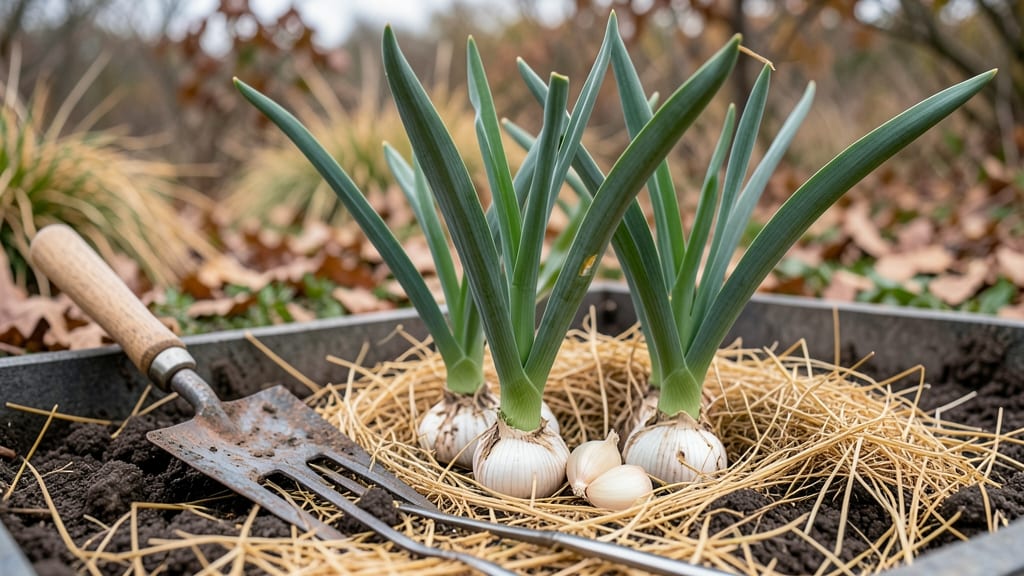
Planting garlic in Colorado at the wrong time can mean the difference between a bumper crop of flavorful bulbs and a disappointing failure—especially when unpredictable frost and high-altitude conditions throw off your timing.
For hardneck garlic lovers in USDA zones 5-7, the ideal window is narrow: October to November for fall planting, when soil temps drop but before the ground freezes solid. Miss it, and you risk stunted growth or cloves that rot over winter.
But don’t stress—even if you’re new to gardening, I’ll walk you through the exact steps to nail your schedule, from soil prep to frost-proofing tricks.
Why does timing matter so much? Garlic needs 120-165 frost-free days to mature, and Colorado’s microclimates—like the Front Range’s urban heat islands or the High Plains’ chilly nights—can shift that window by weeks.
I’ll break down how to adjust for your specific zone, plus what to watch for if your garlic starts acting "off" after planting.
Ready to grow garlic that’s bigger, harder, and more flavorful than anything you’ve bought? Let’s get into the climate-smart schedule that’ll have your 🧄 thriving come harvest season.
Optimal Colorado garlic planting dates by hardiness Zone (with frost risk breakdown)
Colorado’s diverse USDA hardiness zones (4-7) create a tricky timeline for garlic planting. Unlike coastal states, our high-altitude climate means earlier frosts and colder winters—so timing is everything. For hardneck garlic (the best choice for Colorado), aim to plant 4-6 weeks before your first hard frost.
This usually lands between mid-October and November, but your exact deadline depends on elevation and microclimate.
The key is soil temperature, not air temperature. Garlic cloves need soil at 40-50°F to sprout reliably. In Zone 4 (mountain regions), this might mean planting as early as September 15, while Zone 7 (southern Colorado) can wait until November 1.
Use a soil thermometer to confirm—don’t guess!
Here’s your zone-by-zone planting calendar, including frost risk and actionable deadlines:
| Zone | Ideal Planting Window | Last Deadline | Frost Risk Note |
|---|---|---|---|
| 4 (Mountain Regions) | September 15–October 15 | October 15 | First frost often by October 10; plant early! |
| 5 (Denver, Fort Collins) | October 1–November 1 | October 31 | First frost October 15–November 1; urban areas may delay frost. |
| 6 (Colorado Springs, Pueblo) | October 15–November 15 | November 15 | First frost November 1–15; lower elevation = later frost. |
| 7 (Southern CO: Alamosa) | November 1–December 1 | December 1 | First frost November 15–December 1; mild winters allow later planting. |
If you’re in Zone 4 or 5, don’t wait until October to buy garlic! Stock up on hardneck varieties like ‘German White’ or ‘Chesnok Red’ in August—they sell out fast. For Zone 6-7, you can even plant as late as early December, but expect smaller bulbs.
Missed the fall window? No panic! You can still plant garlic in early spring (March), though bulbs will mature later and may not store as long. Just adjust your harvest timeline accordingly—spring-planted garlic is ready in July-August instead of June.
For high-altitude gardens (above 7,000 ft), add 1-2 extra weeks to your planting timeline. Cold soil slows sprouting, so aim for September 1–October 1 even in Zone 5. Use straw mulch (4–6 inches) to insulate cloves and protect against freeze-thaw cycles.
One common mistake? Planting garlic too shallow or with the root end up. Always plant cloves 2 inches deep, pointed end up, and 4 inches apart in rows 12 inches apart. This spacing prevents disease and makes harvesting easier.
Finally, mark your calendar for harvest time (June–July). In Colorado, garlic is ready when lower leaves turn brown and bulbs are firm. Don’t wait too long—they’ll split open if left in the ground past their prime.
How to adjust your planting schedule for Colorado’s microclimates (high plains vs. Front Range)
Colorado’s diverse geography means your garlic planting schedule can vary wildly—even just 50 miles apart. The Front Range (Denver, Boulder) enjoys urban heat islands, while the High Plains (Pueblo, Fort Collins) face earlier frosts.
Mountain valleys like Grand Junction have drastically different microclimates than Aspen’s high-altitude zones. Let’s break down how to adjust your timing for these key regions.
For Front Range gardeners (Zones 5-6), aim to plant October 1–15—the urban heat delays frost slightly. In Zone 4 areas (like Steamboat Springs), push planting to September 15–October 1 to avoid early freezes.
Meanwhile, Western Slope (Zones 6-7) can plant as late as November 1 due to milder winters.
| Region | USDA Zone | Ideal Planting Window | Pro Tip |
|---|---|---|---|
| Front Range (Denver/Boulder) | 5-6 | October 1–15 | Use black plastic mulch to warm soil 2 weeks faster. |
| High Plains (Pueblo/Ft. Collins) | 4-5 | September 15–October 1 | Plant in raised beds for better drainage. |
| Western Slope (Grand Junction) | 6-7 | October 15–November 1 | Extend season with row covers if frost threatens. |
| Mountain Valleys (Aspen) | 3-4 | September 1–15 | Choose early-maturing varieties like ‘German White’. |
Missed the fall window? Spring planting (March) works in Zones 6-7, but bulbs won’t be as large. For Zone 5 and below, avoid spring planting—your garlic won’t mature before summer heat sets in. If you’re in Denver, test soil temps: 40–50°F is ideal for planting.
For late adjustments, use straw mulch (4–6 inches) to insulate soil and delay frost. In Zone 4, consider a mini greenhouse or cold frame to extend your season. Remember: Hardneck garlic (Colorado’s favorite) needs cold vernalization, so spring-planted bulbs may not form proper cloves.
Pro tip: Track your local frost dates via the Colorado Climate Center or Old Farmer’s Almanac. Adjust your schedule 2–3 weeks earlier if your area runs 10°F colder than the norm. With these tweaks, you’ll nail the perfect planting window—no matter where in Colorado you garden.