
Plants
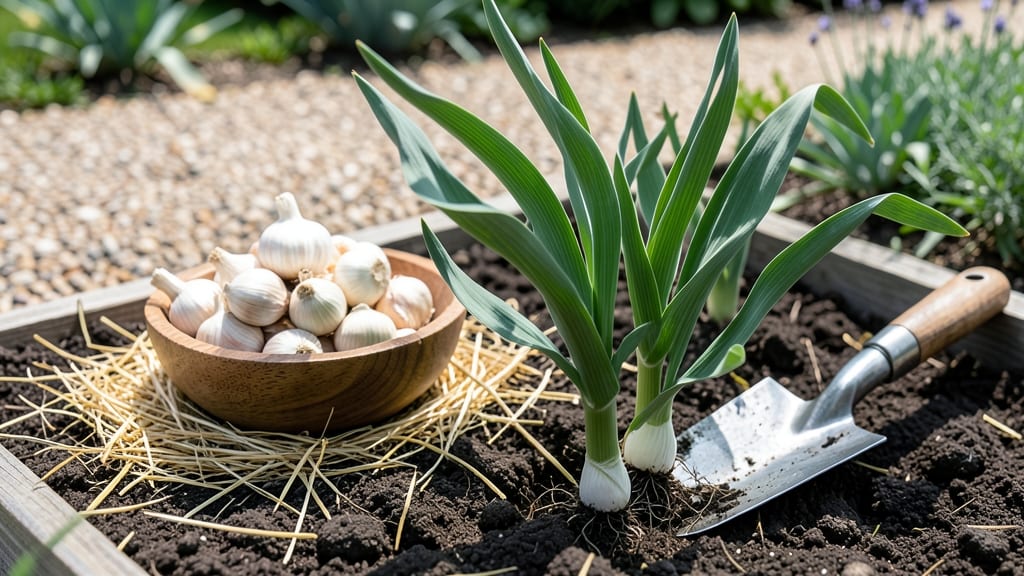
Planting 🧄 garlic in California at the wrong time could mean the difference between a thriving crop and wasted effort—especially when coastal and inland regions play by completely different rules.
If you've ever wondered why some gardeners swear by October planting while others wait until January, it all comes down to your local microclimate.
Coastal areas in USDA Zone 10 can plant later thanks to milder winters, while inland valleys in Zone 9 need to get cloves in the ground sooner to avoid heat stress.
I've helped California gardeners perfect their planting timing for 10+ years, and the key isn't just about dates—it's about understanding how your specific climate behaves. Whether you're in San Diego or the Central Valley, we'll break down the exact windows that work best for your region.
You'll discover how to time your planting for zero-frost success, which varieties thrive where you live, and the simple adjustments that make all the difference. Let's get your garlic off to the best possible start!
California garlic planting deadlines by microclimate (coastal vs inland)
California’s diverse climate means your garlic planting window depends heavily on whether you garden in coastal areas (like San Francisco) or inland valleys (like Fresno). Coastal regions enjoy milder winters, while inland zones can experience unpredictable cold snaps—even in USDA Zone 9.
Timing is everything: plant too early, and your garlic may bolt; too late, and you risk poor bulb development.
For most of California, October through December is ideal, but coastal gardeners can push planting into January or February thanks to their extended growing seasons. Inland areas should aim for October or early November to avoid winter freezes that can damage emerging shoots.
The key is planting 4-6 weeks before soil temps drop below 70°F—this gives roots time to establish before winter slows growth.
Here’s the breakdown you need to avoid frost-related failures:
| Region | USDA Zone | Best Planting Window | Soil Temp Goal | Key Risk |
|---|---|---|---|---|
| Coastal (San Francisco, Santa Barbara) | 10 | October–February | 60–70°F | Late-season heat stress |
| Inland Valleys (Fresno, Sacramento) | 9 | October–November | 50–60°F | Winter freezes |
| Desert (Palm Springs, Coachella) | 10b–11 | November–January | 55–65°F | Summer bolting |
🌱 Pro Tip: Use a soil thermometer to confirm temps before planting.
Coastal gardeners can afford to plant later because their mild winters (rarely below 40°F) create a longer growing season. In contrast, inland areas must plant earlier to let roots harden before cold snaps.
Even a single 30°F night can stunt growth or kill young shoots, so timing is critical for inland garlic success.
If you’re in a transition zone (like the Bay Area’s East Bay), err on the side of early planting. These areas experience microclimates where frost can pocket in low-lying spots.
A general rule: if your region’s average low in December drops below 40°F, plant by late October. For milder zones, early November works fine.
Garlic thrives on consistent moisture during root development, so plan to water deeply after planting—especially in sandy soils common to coastal regions. Inland areas with clay soil may need less frequent watering but should still aim for 1–1.5 inches per week until roots establish.
Mulching with straw or wood chips (3–4 inches thick) helps regulate soil temperature and retain moisture.
One common mistake is assuming California’s frost-free reputation means garlic can be planted anytime. Heat stress in summer (especially in desert regions) can cause garlic to bolt prematurely, while cold snaps in inland valleys can damage emerging shoots.
The solution? Monitor your local 10-day forecast and adjust planting dates accordingly. For example, if a cold front is predicted after your ideal planting window, delay by 2–3 weeks.
For hardneck varieties (like ‘Inchelium Red’), which need cold exposure to form bulbs, inland plantings benefit from winter chilling. Coastal gardeners growing hardnecks may need to pre-chill cloves in the fridge for 6–8 weeks before planting to mimic winter conditions.
Softneck varieties (like ‘California Early’) are more forgiving and adapt better to coastal mildness.
To maximize your harvest, aim for a June–August harvest by planting in late fall. This timing ensures bulbs mature before summer heat stress sets in. Coastal garlic planted in January might harvest as early as May or June, while inland plantings could extend into late August.
Always harvest when lower leaves turn brown but upper leaves remain green—a sure sign of maturity.
California garlic planting deadlines by microclimate (coastal vs inland)
California's diverse climate means your garlic planting deadline could be 6 weeks earlier than your neighbor's—depending on whether you're in Zone 9 or Zone 10.
Inland valleys like Fresno and Bakersfield (Zone 9) need garlic in the ground by mid-November to avoid summer heat stress, while coastal areas like San Diego (Zone 10) can plant as late as January and still thrive.
The key difference? Coastal regions enjoy milder winters with fewer frost risks, while inland areas experience hotter summers that garlic can't handle. I've seen gardeners in Sacramento rush to plant by October 15th to avoid summer dormancy, while Santa Barbara growers wait until December without worry.
Here's the exact breakdown you need to plant at the perfect time for your microclimate:
Pro tip: If you're in a transition zone (like San Francisco or Los Angeles), aim for late November planting. These areas experience cooler coastal nights but can still get unexpected heat waves in late winter.
Remember, garlic needs 60-90 days of cold temperatures (below 50°F) to form bulbs properly. Coastal areas hit this threshold naturally by December, while inland regions may need to plant earlier to ensure adequate chill hours before summer arrives.
For zero-frost success, always plant 4-6 weeks before your area's first consistent 50°F nights. Use your local Cooperative Extension office data or a weather station app to track these thresholds—it's the secret to bigger, healthier bulbs every season. 🌱