
Plants
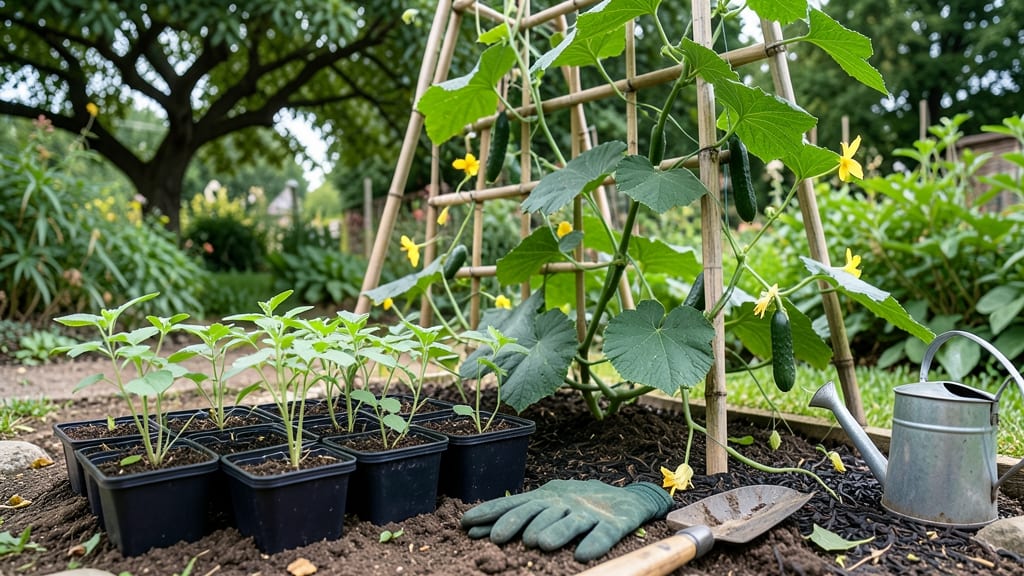
Planting cucumbers in Florida isn’t just about grabbing seeds and sticking them in the dirt—it’s about mastering the heat zone secrets that turn your garden into a year-round harvest machine.
With 365 frost-free days and soil that stays warm year-round, Florida growers have a unique advantage, but timing still makes all the difference.
Most gardeners assume cucumbers thrive only in spring or fall, but in Florida’s 9a-11 zones, you can plant them almost anytime—if you know the tricks.
Whether you’re in North Florida’s cooler pockets or South Florida’s steamy summers, the key is avoiding those brutal midday heat spikes that turn sweet cucumbers bitter. I’ll show you exactly when to plant for crisp, flavorful harvests.
From staggered plantings to shade strategies, we’ll cover how to keep your 🥒 vines productive even in the dog days. You’ll also learn why some gardeners fail despite Florida’s perfect climate—and how to avoid their mistakes. Ready to turn your backyard into a cucumber powerhouse?
Let’s dive into the planting schedule that works for Florida’s climate, so you can enjoy fresh cucumbers from January through December without the guesswork. Your taste buds (and your dinner plate) will thank you!
Florida heat zone planting calendar for cucumbers: best months by region
Florida’s 11 heat zones (A1–B3) create a unique gardening puzzle for cucumbers. Unlike northern states, you don’t need to wait for frost to plant—but timing still matters to avoid bitter fruit or heat stress.
The key is planting when soil temps hit 60°F+ and using shade strategies during peak summer heat.
Northern Florida (Zones A1–A2) has cooler winters, while South Florida (Zones B2–B3) stays warm year-round. This means North Florida gardeners can plant year-round with breaks, while South Florida growers can harvest every month with proper spacing.
Let’s break down the best windows by region to maximize your cucumber harvest.
🌱 Florida Cucumber Planting Calendar by Heat Zone
| Heat Zone | Best Planting Windows | Avoid Planting | Soil Temp Requirement |
|---|---|---|---|
| A1 (North FL) | Jan–Feb, Aug–Sept | June–July (extreme heat) | 60°F+ |
| A2 (Central FL) | Feb–March, Sept–Oct | May–June (peak heat) | 65°F+ |
| B2 (South FL) | Year-round (staggered) | None (adjust shade) | 70°F+ |
| B3 (Miami/Dade) | Year-round (monthly plantings) | None (use shade cloth) | 75°F+ |
💡 Pro Tip: Use black plastic mulch to warm soil faster in cooler months (Jan–Feb).
For North Florida (Zones A1–A2), I recommend planting early spring (Jan–Feb) for a spring harvest and late summer (Aug–Sept) to beat the fall rains. The June–July heat can stress plants, so avoid planting then unless you’re using shade cloth.
In Central Florida (Zone A2), you’ll want to focus on Feb–March and Sept–Oct windows. This gives you two full harvests while avoiding the May–June heatwave, which can cause bitter cucumbers or poor pollination. Test soil temps with a soil thermometer before planting—65°F+ is ideal.
If you’re in South Florida (Zones B2–B3), you’re in luck—you can plant year-round! The trick is staggered plantings every 4–6 weeks to ensure a continuous harvest.
For example, plant one batch in January, another in March, and so on. Use 50% shade cloth during summer months to protect plants from intense sun.
One critical mistake I see in Florida gardens is planting too late in spring (April–May) without shade. By then, temps can hit 90°F+, causing flower drop and poor fruit set.
Instead, opt for heat-tolerant varieties like ‘Southern Sweet 100’ or ‘SuYo Long’, which handle Florida’s climate better than standard varieties.
For container gardening, Florida’s heat zones don’t change the rules—just the timing. Plant seedlings in 5-gallon pots and place them in full sun (6+ hours). In Zones A1–A2, start containers indoors in late February and move outside after March 15.
In Zones B2–B3, you can plant directly into containers any month, but spring and fall yield the best results.
Remember, succession planting is your best friend in Florida. By planting new batches every 2–3 weeks, you’ll avoid harvest gaps and keep your kitchen stocked with fresh cucumbers all year. Pair this with proper trellising to save space and reduce disease risk from humidity.
🌱 Now that you know the best times to plant, let’s tackle how to extend your harvest even further with seasonal hacks—like mulching, shade strategies, and the best trellis setups for Florida’s heat.
How to extend your cucumber harvest: seasonal planting hacks for Florida growers
Florida’s year-round growing potential means you can enjoy fresh cucumbers every month—but only if you use the right seasonal hacks. The key is adapting to heat, extending cool seasons, and avoiding gaps in production.
Without these strategies, even the best planting schedule can leave you with harvest droughts during peak summer or winter slowdowns.
One of my top tricks for Florida gardeners is succession planting every 2–3 weeks. This ensures a continuous supply of cucumbers, even when older plants start slowing down.
For example, if you plant your first batch in February, follow up with March 15, April 1, and so on. This works especially well in Zones B2–B3, where you can plant monthly.
🌱 Top 5 Hacks to Extend Your Florida Cucumber Harvest
- ✅ Use black plastic mulch to warm soil 10°F+ faster in cooler months (Jan–Feb) and retain moisture during summer droughts.
- ✅ Install shade cloth (30–50%) during June–August to protect plants from 90°F+ temps while still allowing 6+ hours of light.
- ✅ Trellis vines vertically to improve airflow, reduce disease risk, and save garden space. Use 5–6 ft tall trellises for bush varieties.
- ✅ Mulch with straw or pine needles to keep roots cool in summer and moist in winter. Replenish every 4–6 weeks.
- ✅ Plant heat-tolerant varieties like ‘SuYo Long’ or ‘Marketmore 76’, which thrive in 85–95°F temps without bittering.
💡 Pro Tip: Pair trellising with drip irrigation to keep leaves dry and prevent powdery mildew.
For summer growing (June–August), the biggest challenge is heat stress. Even heat-tolerant varieties can suffer if temps exceed 95°F. My solution? Dual-layer shade cloth: Use 30% shade in the morning to reduce heat buildup, then remove it by 10 AM to let plants photosynthesize.
Pair this with deep watering in the early morning—1–2 inches per week—to prevent wilting.
In winter months (December–February), the opposite challenge arises: slow growth due to cooler temps. To speed things up, I recommend row covers or mini greenhouses for early plantings. Even a simple clear plastic tunnel over seedlings can add 5–10°F of warmth, helping them establish faster.
For container growers, move pots near south-facing walls or under grow lights during cloudy spells.
Another game-changer is intercropping. Plant fast-growing companions like radishes or lettuce between cucumber rows in spring and fall. These shade-tolerant crops use space efficiently while cucumbers are still young, then get harvested before the vines take over.
This maximizes bed space and extends your edible harvest beyond just cucumbers.
Finally, don’t overlook pest management as a harvest extender. Florida’s humidity attracts cucumber beetles and spider mites, which can defoliate plants in weeks. My go-to solution? Neem oil sprays every 7–10 days during peak pest seasons (May–September).
For organic growers, row covers can block pests entirely while allowing pollination via hand-pollination with a paintbrush.
With these seasonal hacks, you can turn Florida’s climate into your cucumber-growing advantage. Whether you’re battling summer heat or winter slowdowns, the right techniques keep your vines productive—and your kitchen stocked—12 months a year. 🌱