
Plants
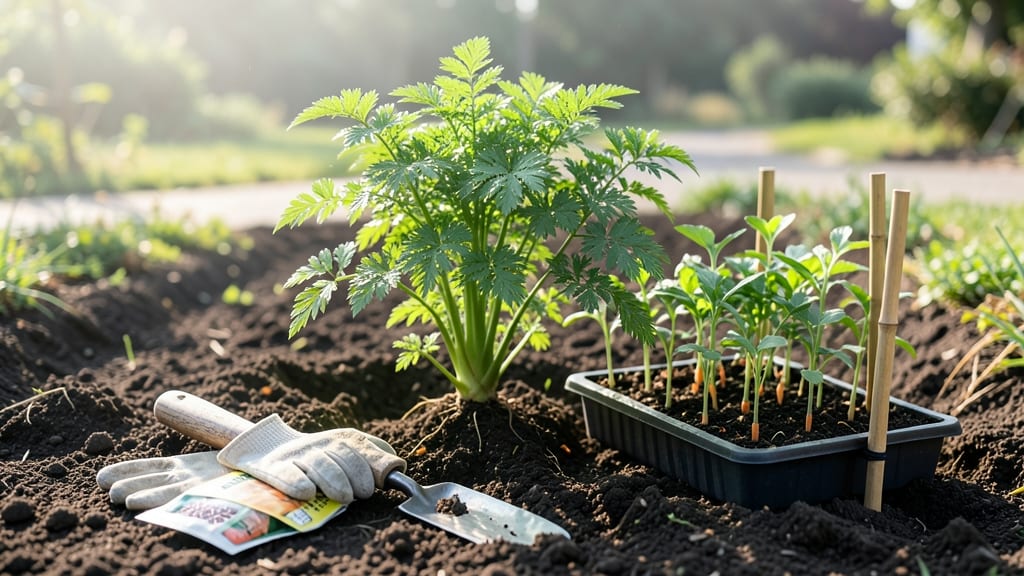
Texas carrot planting calendar: month-by-month breakdown for zero bolting
Texas’ diverse climate zones (8a-10b) mean your carrot planting window shifts dramatically from North to South. In North Texas, where first frost hits by December 1, aim for September-October planting to harvest before winter chill. Meanwhile, South Texas gardeners can push planting into late October thanks to milder winters.
Spring planting is your second chance—sow seeds in February-March for a May-June harvest before summer heat sets in. Avoid planting in April or later; Texas summers (90°F+) turn carrots woody and bitter.
Here’s your region-specific breakdown to avoid bolting and ensure sweet, crisp roots:
| Region | Best Planting Months | Avoid Planting | Harvest Window | Key Risk |
|---|---|---|---|---|
| North Texas (8a) | Sep 15–Oct 15 Feb 15–Mar 15 |
April–July | Dec–Jan May–June |
Early frost (Dec) |
| Central Texas (8b-9a) | Aug 20–Oct 1 Feb 20–Mar 31 |
May–August | Nov–Dec May–July |
Summer heat (95°F+) |
| South Texas (9b-10b) | Sep 1–Nov 1 Feb 15–Apr 15 |
June–September | Dec–Jan June–August |
Humidity/fungal risk |
For fall planting, focus on cool-season varieties like ‘Danvers’ or ‘Nantes’—they tolerate 50–60°F soil temps and mature before winter. In spring, opt for bolt-resistant varieties (e.g., ‘Paris Market’) to handle warming soil (60–70°F).
Pro tip: Use black plastic mulch in spring to warm soil faster and extend the season by 2–3 weeks. This trick works especially well in North Texas, where March soil temps can still be chilly.
Watch for bolting signs—long, thin leaves and flower stalks—if you plant too early. This happens when day lengths exceed 14 hours (common in late winter). To delay bolting, provide light shade cloth (30–50%) during peak sun hours.
Soil temperature is critical: Use a soil thermometer to confirm 55–75°F before planting. In North Texas, soil may linger below 55°F until mid-April, delaying spring planting.
In South Texas, soil can hit 80°F+ by May, forcing you to harvest quickly or switch to shade-grown varieties.
Plan ahead for succession planting—sow new seeds every 2–3 weeks in fall for a staggered harvest. This ensures you’re not overwhelmed with ready-to-pick carrots all at once, especially in December-January when demand peaks.
Remember: Texas’ erratic weather (droughts, sudden freezes) means flexibility is key. Keep a harvest log to track which planting windows work best in your microclimate—your notes could save next year’s crop!
How to extend carrot harvests in Texas: succession planting secrets
Texas’s long growing season lets you harvest carrots almost year-round, but only if you use succession planting to beat the heat and avoid bolting. The key is spacing out plantings every 2-3 weeks during ideal windows—September through October for fall crops and February through March for spring.
This method ensures you always have fresh, crisp carrots ready to pull while avoiding the scorching summer months when carrots turn bitter or woody.
Start with a test batch in early September to gauge your soil’s readiness. If your garden stays cool enough (below 85°F), you might squeeze in a late-summer planting in August, but shade cloth becomes your best friend here.
For spring, don’t wait until March 15—earlier plantings (late February) give you a head start before the heat ramps up. Pro tip: Use row covers to protect seedlings from sudden temperature swings, especially in North Texas where spring nights can still dip into the 40s°F.
Here’s the step-by-step breakdown to maximize your harvest without the guesswork:
Loosen soil to a depth of 12 inches and mix in 2 inches of compost to prevent forking. Carrots hate compacted soil—think fluffy, not dense!
Sow seeds ¼ inch deep in rows spaced 12–18 inches apart. Thin seedlings to 2–3 inches apart once they’re 2 inches tall—this reduces competition and gives roots room to grow straight.
Plant a new row every 2–3 weeks during your chosen window. For example: Sept 1, Sept 15, Oct 1, Oct 15. This ensures a continuous harvest from November through May.
If planting in late summer (August), use 30% shade cloth to keep soil temps below 80°F. Mulch with straw to retain moisture and cool roots.
Pull carrots when roots are ¾–1.5 inches thick (about 70 days after sowing). Leave the outermost rows to mature longer—they’ll be your winter harvest if frosts are light.
One common mistake? Skipping the late-winter planting in February. Many gardeners wait too long, and by March, the heat is already creeping in. But if you plant in late January, you’ll have baby carrots ready by April—just in time for Easter salads!
Just watch for cutworms in spring; handpick them at dusk or use diatomaceous earth as a barrier.
For North Texas gardeners, aim to finish your last spring planting by mid-March to avoid the April heatwave. In South Texas, you can push it to early April, but be ready to provide afternoon shade with a row cover or temporary trellis.
The goal? Keep soil temps below 85°F at all times—any hotter, and your carrots will taste like sawdust.
With this method, you’ll enjoy three distinct harvests: a fall bounty (November–December), a winter lull (January), and a spring surge (March–May). And if you save seeds from your best-performing plants, you’ll have a Texas-adapted carrot strain ready for next year’s garden! 🌱