
Companion Plants
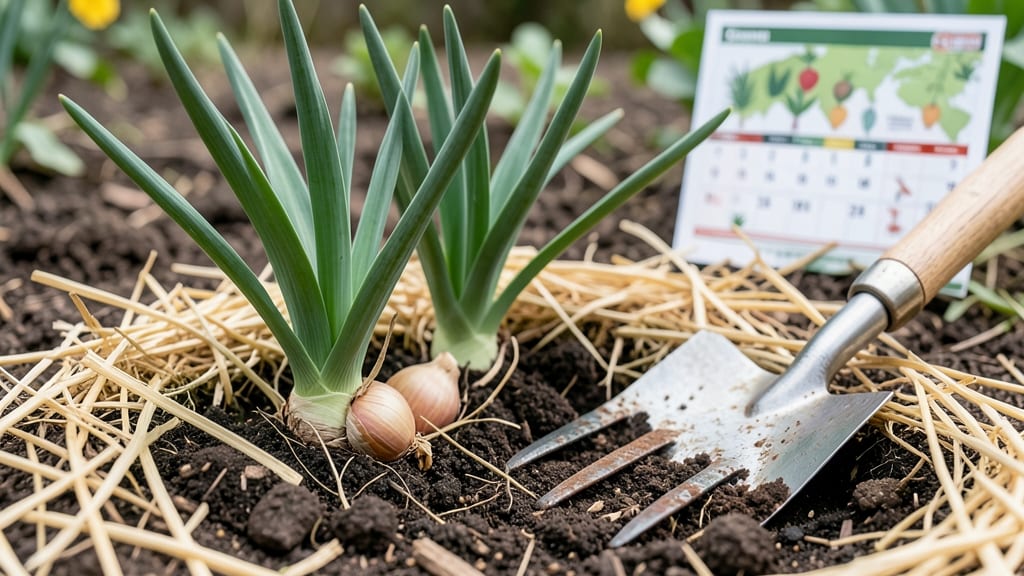
Planting garlic in Melbourne at the wrong time means smaller bulbs or even total failure—so getting the autumn timing right is the key to a bountiful harvest next year.
With our mild winters and unpredictable weather, most gardeners wait until the soil cools but still has enough warmth to encourage strong root growth before the first chill sets in.
If you’ve ever wondered why your 🧄 cloves peter out before forming proper bulbs, it’s likely because you planted too early or too late.
The sweet spot for Melbourne’s climate is late March through early May, when daytime temperatures hover around 15-20°C—just warm enough to kickstart growth without risking frost damage.
Here’s the game-changer: coastal areas like Frankston can plant a little earlier (March), while inland spots like Bendigo should wait until April to avoid heat stress.
I’ll walk you through exactly how to prep your soil, space your cloves, and protect them from Melbourne’s infamous variable autumn rains—so you can avoid the most common mistakes that ruin harvests.
Ready to grow garlic that’s bigger, stronger, and ready for late spring harvests? Let’s dive into the steps that’ll have your garden thriving, no matter which part of Melbourne you’re in.
Best autumn planting months for garlic in Melbourne’s climate zones
Melbourne’s cool temperate climate means garlic thrives when planted in autumn, but timing varies by region. Coastal areas like Port Phillip Bay have milder winters, while inland zones like Macedon Ranges face colder snaps.
Aim for April to early May—this window ensures bulbs form properly before summer heat arrives.
Hardneck varieties (like Silverskin) need 60-80 days of cold to develop flavorful cloves, while softneck types (like Artichoke) tolerate shorter winters. Planting too early risks rot from autumn rains, while late planting may yield small bulbs. Check your local Bureau of Meteorology forecast for temperature trends.
For coastal Melbourne, late April is ideal—soil stays warm enough to prevent cloves from rotting. Inland areas should plant by mid-April to avoid frost damage. Highland regions (above 500m) can extend planting to early May for extra cold exposure.
| Zone | Ideal Planting Window | Soil Temp Threshold | Key Consideration |
|---|---|---|---|
| Coastal (e.g., St Kilda) | Late April to early May | 10–15°C (50–59°F) | Avoid autumn downpours |
| Inland (e.g., Sunbury) | Mid-April | 8–12°C (46–54°F) | Frost risk after June |
| Highland (e.g., Dandenongs) | Early May | 5–10°C (41–50°F) | Longer cold exposure |
Use local garlic varieties like German White or Creole, which adapt better to Melbourne’s conditions. These types handle variable autumn rains and mild winters without bolting (premature flowering). If your soil feels cold, cover cloves with straw mulch to insulate roots.
For container growing, plant in April and place pots in a sunny, sheltered spot. Containers warm up faster than garden beds, so monitor soil moisture closely. Avoid planting after mid-May—bulbs won’t mature fully before summer heat arrives.
Melbourne’s alkaline soils (pH 7.5–8.5) can stunt garlic growth. Test your soil in March and amend with gypsum or composted manure to lower pH to 6.0–7.0. This adjustment prevents nutrient lockout and ensures robust root development.
If you miss the autumn window, early winter planting (May) is possible but risky. Bulbs may not reach full size before summer. Prioritize well-draining soil and full-sun exposure to maximize growth. Harvest by October before temperatures rise above 25°C (77°F).
Pro tip: Label your garlic beds with planting dates. This helps track growth stages and adjust watering as Melbourne’s unpredictable autumn weather shifts from rain to dry spells. Aim for 100–120 days to harvest for plump bulbs.
How to prepare garlic cloves for Melbourne’s soil and weather challenges
Melbourne’s alkaline soils and variable autumn rains can stress garlic if you don’t prepare properly. Start by selecting hardneck varieties like ‘German Red’ or ‘Silverskin’—they handle Melbourne’s cooler winters better than softneck types.
Break apart large bulbs into individual cloves (keep the papery skin intact) and let them air-dry for 12 hours to prevent rot in damp soil.
Before planting, soak cloves in water for 6–8 hours to kickstart germination. This is especially helpful in Melbourne’s dry autumns where moisture levels fluctuate. For heavy clay soils (common in Melbourne’s suburbs), mix in compost or gypsum to improve drainage—garlic hates soggy roots.
Step-by-Step Prep for Melbourne Gardens
- 🌱 Test soil pH (aim for 6.0–7.0; Melbourne’s soils often skew alkaline). Add sulfur if needed.
- 🪴 Loosen soil to 8 inches deep—garlic roots need room to establish before winter.
- 💧 Water beds deeply 24 hours before planting to settle soil and reduce shock.
- ✂️ Trim clove tops to ¼-inch to prevent disease in Melbourne’s humid autumns.
- 🌡️ Plant when soil temps are 10–15°C (ideal for Melbourne: April–May).
For coastal Melbourne (e.g., Frankston, Mornington Peninsula), where winds and salt spray can stress plants, create windbreaks with pea stakes or plant near hedges like lavender. Inland areas (e.g., Bendigo, Castlemaine) may need extra mulch (straw or lucerne) to insulate bulbs from cold snaps below 5°C.
Pro tip: Plant shallots alongside garlic—they deter pests like garlic moths, a growing problem in Melbourne’s mild winters. Space cloves 4–6 inches apart in rows 12 inches apart to prevent fungal spread from Melbourne’s damp autumns.
After planting, cover beds with 2 inches of mulch to retain moisture and suppress weeds. Avoid synthetic mulches—they can raise soil temps too much in Melbourne’s warm autumns. Water deeply once a week (adjust for rain) until first frost (rare in Melbourne, but possible in June).
Finally, mark your garlic beds with stakes or flags—Melbourne’s unpredictable rains can wash away mulch, and you’ll want to avoid disturbing roots during harvest season (October–November). A little prep now means plump bulbs and fewer headaches next spring! 🌱