
Companion Plants
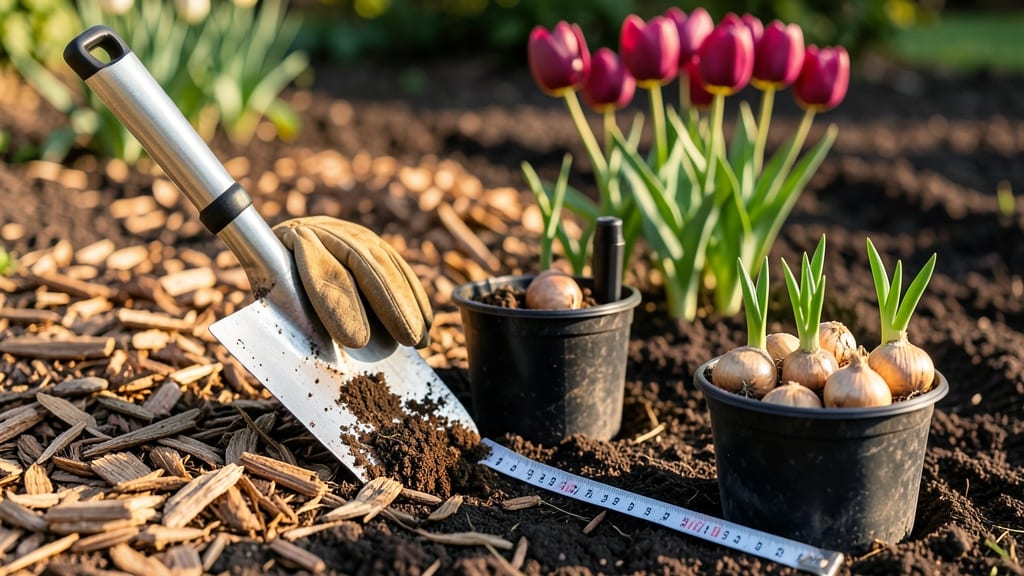
Planting potted tulips 🌷 in the ground at the wrong time can mean the difference between vibrant spring blooms and wasted effort. The key is timing—too early, and frost will damage tender roots; too late, and they won’t establish before winter sets in.
For most gardeners in Zone 6a (like me!), the ideal window opens in late September through November, giving roots 4-6 weeks to settle before the first frost. But regional differences matter—coastal areas may have longer frost-free seasons, while inland zones need to act faster.
Don’t stress if you missed fall planting—early spring (March-April) works too, as long as the soil is workable and frost danger has passed. The goal? Strong root growth before summer heat arrives.
I’ll walk you through exactly how to check if your potted tulips are ready, what soil prep looks like, and how to avoid common mistakes that kill transplants. Let’s get those bulbs in the ground the right way!
Optimal planting window for potted tulips based on USDA hardiness zones
Transplanting potted tulips into the ground at the wrong time can mean the difference between vibrant spring blooms and withered bulbs. The key is planting when your USDA hardiness zone aligns with soil temperatures above 50°F (10°C) and at least 4-6 weeks before the first frost.
This window ensures roots establish before winter dormancy.
For most gardeners in the U.S., this means late September through November for fall planting, or March to early April in spring. However, coastal regions (like Zone 9-10) may extend planting into December or February due to milder winters. Always check your local frost dates for precision.
Here’s how to match your zone to the perfect planting window:
| USDA Zone | Fall Planting Window | Spring Planting Window | Soil Temp Threshold | Notes |
|---|---|---|---|---|
| Zones 3-5 | Late September - Mid-October | Mid-April - Early May | 50°F (10°C) | Early frost risk; use mulch |
| Zones 6-7 | Mid-October - November | Late March - April | 50°F (10°C) | Ideal for most varieties |
| Zones 8-9 | November - Early December | February - March | 55°F (13°C) | Milder winters; extend into winter |
| Zone 10 | December - January | January - February | 60°F (16°C) | Plant year-round in frost-free areas |
If you’re unsure about your frost dates, use the National Weather Service or local cooperative extension service for zone-specific advice. For example, gardeners in Zone 7b (e.g., Atlanta, GA) should aim for October 15–November 15 to avoid early frosts that can damage tender roots.
Pro tip: Early-blooming varieties (like 'Early Harbinger') need 6-8 weeks of root growth before winter, while late varieties (like 'Darwin Hybrid') can handle slightly later planting. Always check your tulip’s specific variety tag for tailored guidance.
Regional microclimates matter too. Inland areas (like Denver, CO) may need earlier planting than coastal cities (like San Francisco, CA) due to colder nights. Adjust your timeline by 1-2 weeks if you’re in a high-altitude garden or urban heat island.
For spring planting, wait until the soil is workable and frost-free. Stick your finger 6 inches deep—if the soil feels cool but not frozen, it’s time.
In Zone 6a (e.g., Chicago, IL), this is typically mid-April, but Zone 10 (e.g., Los Angeles, CA) can plant as early as January.
Missed the fall window? Don’t panic! Spring planting still works—just expect smaller blooms the first year as roots catch up. The goal is to give your tulips at least 6 weeks of root growth before summer heat sets in.
🌷
Signs your potted tulips are ready for ground planting (and when to wait)
Transplanting potted tulips too soon or too late can mean the difference between vibrant spring blooms and wilted disappointment. The key is watching for three critical readiness signs before moving them from pots to garden beds.
First, check for roots growing through drainage holes—this means they’ve outgrown their container and need space. Second, look for fully mature leaves (about 4-6 inches tall) and a sturdy stem that doesn’t flop when touched. Finally, ensure your soil temperature stays above 50°F (10°C) for at least a week.
Timing matters just as much as the signs. Planting when tulips are dormant (no leaves or flowers) or overcrowded in pots leads to poor root establishment.
For example, early spring varieties like ‘Early Harbinger’ need to go in the ground by March 15 in Zone 6, while late bloomers like ‘Queen of Night’ can wait until April 1.
Always align your transplant with your last frost date minus 4-6 weeks—this gives roots time to anchor before winter.
Here’s a common mistake many gardeners make: planting tulips with no leaves. If your potted tulips are still dormant (no green growth), they’re not ready. Wait until you see new shoots emerging from the bulb.
Another pitfall? Overwatering before transplanting, which can drown roots. Let the soil dry slightly before moving them to avoid root rot in the garden.
⚠️ Warning: Don’t Plant These Tulips Yet!
❌ Overcrowded pots: Roots tangled in a small container struggle to establish. Repot if bulbs are touching.
❌ Dormant bulbs: No leaves = no energy to grow roots. Wait for green shoots.
❌ Frost risk: Planting when night temps drop below 40°F (4°C) can shock roots.
Soil temperature is your best friend when deciding transplant timing. Use a soil thermometer to confirm it’s consistently above 50°F (10°C) at a 4-inch depth. In cooler climates (Zones 3-5), this might mean waiting until late April or early May.
Warmer zones (7-10) can start as early as February, but avoid planting if frost is still possible. Pro tip: Morning sunlight warms soil faster—transplant on a sunny day to reduce stress.
Your potted tulips’ leaf color also signals readiness. Healthy leaves should be deep green, not yellow or brown. If you see yellowing foliage, it’s a sign of overwatering or nutrient deficiency.
Before transplanting, give them a light fertilizer boost (5-10-10 NPK) to support root growth. Avoid heavy feeding, though—too much nitrogen can delay flowering. Instead, focus on phosphorus to strengthen roots.
Once you’ve confirmed all signs—roots, leaves, and soil temp—it’s time to act. The ideal transplant window is 4-6 weeks before your first frost. For example, in Zone 6 (last frost: April 15), aim for March 1-15.
In Zone 8 (last frost: February 15), you can plant as early as January 1. Always check your local frost dates and adjust accordingly. Don’t rush—patience ensures stronger roots and bigger blooms next spring.