
Flowers
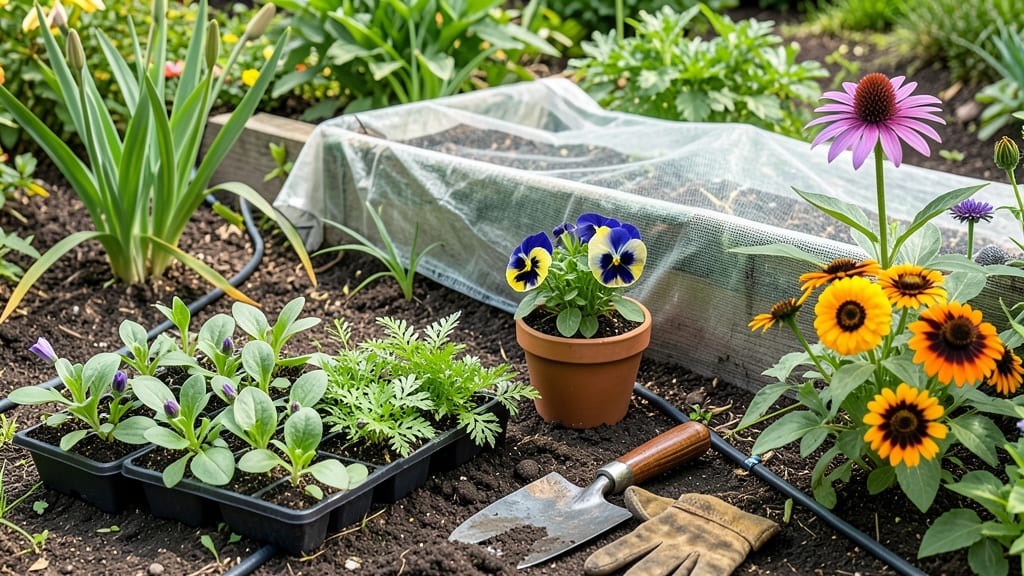
Timing your flower planting in Michigan could mean the difference between a garden bursting with color and one that never quite takes off.
With 5b-6b zones and unpredictable spring weather, knowing when to plant is the key to success. Whether you're dreaming of vibrant annuals or hardy perennials, getting the timing right ensures your 🌸 thrive from the first bloom.
I’ll show you exactly when to plant—from late April’s first frost-free days to fall’s second chance for a stunning garden. No more guessing or wasted effort.
Let’s dive into the perfect planting windows for your Michigan zone, so you can enjoy a garden that’s always in season.
Michigan planting zones & frost-free date deadlines by region
Michigan spans USDA zones 4a-6b, meaning frost dates vary dramatically from the Upper Peninsula to Detroit. Northern regions (like Marquette) often see last frosts in late May, while southern areas (like Ann Arbor) typically hit mid-April.
Understanding these differences is critical—planting petunias in zone 4a too early could mean frost-nipped blooms!
Urban areas like Grand Rapids often warm up faster than rural zones due to the "heat island effect". Always check your local microclimate—a backyard near a lake may stay cooler longer than one surrounded by pavement.
For cool-season flowers like pansies, you can plant as early as March in zone 6b, but wait until May in zone 4a.
Here’s how to decode Michigan’s frost-free deadlines by region:
| Region | USDA Zone | Avg. Last Frost | Safe Planting Window | Notes |
|---|---|---|---|---|
| Upper Peninsula (Marquette, Houghton) | 4a-5a | Late May | Early June | Wait for soil temps ≥50°F; use row covers for early blooms. |
| Northern Lower Peninsula (Traverse City, Cadillac) | 5b-6a | Mid-May | Late May | Lake-effect cooling delays planting; monitor NOAA alerts. |
| Central Michigan (Lansing, Jackson) | 5b-6a | Early May | Mid-May | Urban areas warm faster; rural zones lag by 1-2 weeks. |
| Southeast Michigan (Detroit, Ann Arbor) | 6a-6b | Mid-April | Late April | Plant tender annuals (e.g., geraniums) after May 15. |
| Southwest Michigan (Kalamazoo, Benton Harbor) | 5b-6a | Early May | Late April | Coastal areas may have delayed frosts due to lake breezes. |
For warm-season flowers like marigolds or zinnias, wait until soil temps hit 60°F—usually late May to early June in most of Michigan. Use a soil thermometer to avoid guesswork.
Pro tip: Plant heat-loving perennials (e.g., black-eyed Susans) in late May to give roots time to establish before summer heat arrives.
Fall planting is another game-changer in Michigan. Cool-season annuals like pansies and snapdragons thrive when planted 6-8 weeks before first frost (typically August-September). Perennials like aster can handle early September plantings, while tender bulbs (e.g., dahlias) must go in by mid-August.
Always double-check with your local cooperative extension office—they track real-time frost data. For example, Michigan State University Extension offers free frost-free date maps updated annually. Don’t let a late frost ruin your first blooms—timing is your secret weapon!
🌱
Best flowers to plant early vs. late spring in Michigan (with planting windows)
Michigan’s spring planting windows can feel like a moving target, but timing your flowers right ensures a garden bursting with color. Early spring (March–April) is perfect for cold-hardy annuals, while late spring (May–June) welcomes heat-loving perennials and tender blooms.
Let’s break down the best flowers for each window, so you can avoid frost damage and maximize blooms.
For early spring planting (as soon as soil is workable, around March 15–April 15), prioritize flowers that tolerate light frosts and cool soil. Pansies, snapdragons, and sweet alyssum are top picks—they thrive in 32–50°F soil and even handle brief frost.
These cool-season bloomers give you early color and often rebloom until summer’s heat arrives.
- Pansies: Thrives in 32–50°F soil; 2–6 inches tall, blooms 4–6 weeks after planting.
- Snapdragons: Tolerates light frost; 1–3 feet tall, continuous blooms until summer.
- Sweet Alyssum: Cold-resistant; 6–12 inches tall, honey-scented blooms.
- Lobelia: Shade-tolerant; 6–12 inches tall, blue/purple blooms all season.
- Calendula: Edible petals; 1–2 feet tall, golden-orange flowers.
- Petunias: Needs warm soil (50°F+); 1–2 feet tall, prolific blooms.
- Marigolds: Heat-loving; 1–2 feet tall, pest-repellent.
- Zinnias: Drought-tolerant; 1–4 feet tall, bright colors.
- Geraniums: Hardy once warm; 1–2 feet tall, long bloom season.
- Sunflowers: Full sun required; 3–12 feet tall, cheerful yellow.
- Cosmos: Self-seeds; 2–4 feet tall, drought-resistant.
- Black-Eyed Susans: Perennial; 2–3 feet tall, golden blooms.
- Nasturtiums: Edible; 1–2 feet tall, trailing habit.
If you’re planting in late spring (after the last frost date, typically May 15–June 15), shift to warm-season flowers like petunias, marigolds, and zinnias. These heat-loving varieties need soil temperatures above 50°F to thrive.
For a continuous bloom, consider succession planting cosmos or nasturtiums in June–July—they’ll fill gaps as early bloomers fade.
Pro tip: Check your USDA zone (Michigan ranges from 4a–6b)—northern regions (like Zone 5) may need to wait until late May, while southern areas (like Zone 6) can plant earlier.
Always monitor local frost forecasts via the NOAA or Michigan State University Extension for real-time updates.
For fall planting (August–September), opt for cool-season favorites like pansies or snapdragons—they’ll bloom until first frost (usually mid-October). Just ensure they’re planted 6–8 weeks before frost to establish roots.
Now that you’ve got your timing down, grab your gloves and get planting! Whether you’re a beginner gardener or a seasoned pro, these Michigan-friendly flowers will reward you with months of color—just don’t forget to deadhead spent blooms to keep them flowering all season. 🌼