
Flowers
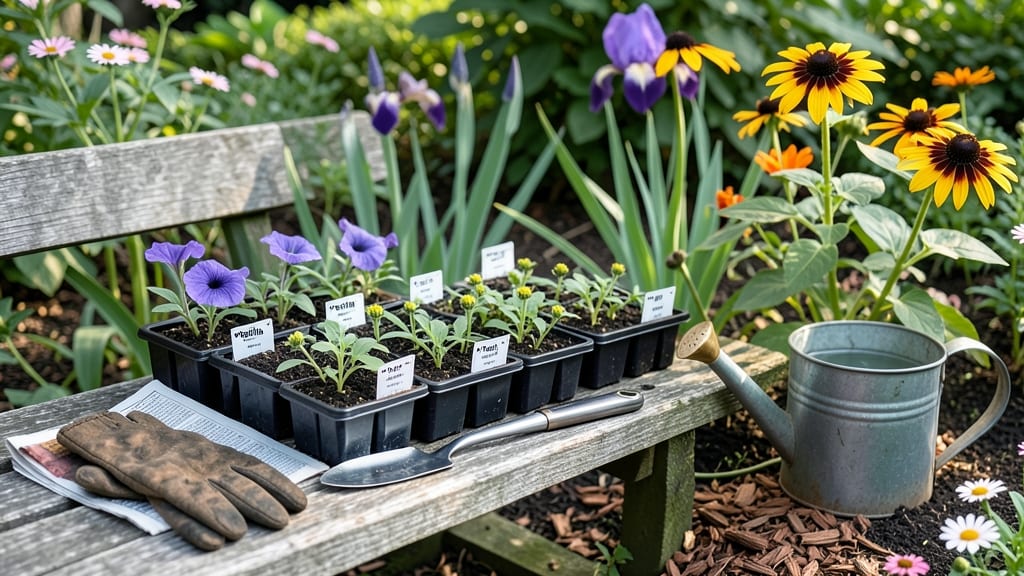
Timing your flower planting in Delaware isn’t just about luck—it’s about beating the last frost (usually around April 15) while avoiding those sneaky late freezes that can wipe out tender blooms.
Whether you’re dreaming of vibrant annuals or hardy perennials, getting the window right means the difference between a garden bursting with 🌸 and one that fizzles out before summer.
I’ve planted flowers in Delaware’s USDA Zone 7a-7b for years, and the key isn’t just memorizing dates—it’s understanding how soil temperature, microclimates (like coastal vs. inland), and flower types (bulbs, perennials, annuals) all play a role.
Skip the guesswork and plant at the perfect moment, and you’ll enjoy blooms from May through October without the stress.
Ready to turn your garden into a showstopper? I’ll walk you through the exact planting windows for Delaware’s climate, plus pro tips to extend your season—whether you’re a first-timer or a seasoned gardener. Let’s make sure your flowers thrive, not just survive.
From soil prep to choosing cold-hardy varieties, we’ll cover everything you need to know to plant with confidence. No more wasted seeds or wilted dreams—just a garden that blooms on schedule.
Delaware’s last frost dates by flower type: exact planting windows for zone 6b
Delaware’s USDA Zone 6b means your flower planting schedule hinges on last frost dates that typically fall between April 15 and May 10.
However, coastal areas like Rehoboth Beach often see delayed frosts until May 15, while inland spots like Dover can experience frost as late as April 25. Always check your local microclimate—this variability is why I recommend using frost-free date calculators or planting cold-hardy varieties first.
For annual flowers, like marigolds or petunias, wait until after May 1 to avoid frost damage. These warm-season bloomers need soil temperatures of at least 50°F (10°C) to thrive.
In contrast, cool-season perennials, such as coneflowers or black-eyed Susans, can handle spring planting as early as March 15 once the ground thaws. Bulbs like daffodils or tulips should be planted in fall (October–November) for early spring blooms.
🌱 Delaware Flower Planting Guide by Type
| Flower Type | Planting Window | Soil Temp Requirement | Notes |
|---|---|---|---|
| Annuals (e.g., Marigolds, Zinnias) | After May 1 (or start indoors March 1) | ≥ 50°F (10°C) | Frost-sensitive; use row covers if early planting. |
| Perennials (e.g., Coneflowers, Daylilies) | March 15–April 30 | ≥ 40°F (4°C) | Hardy; divide clumps every 3–4 years. |
| Bulbs (e.g., Tulips, Daffodils) | October–November (fall) or March (spring) | ≥ 45°F (7°C) | Plant bulbs 6" deep; mulch in winter. |
| Vegetative Starts (e.g., Pansies, Sweet Alyssum) | February–March (indoors) | ≥ 45°F (7°C) | Transplant outdoors after last frost. |
🌡️ Pro Tip: Use a soil thermometer to confirm readiness—50°F+ is ideal for most flowers.
If you’re planting seeds directly, like cosmos or sunflowers, start them 2–3 weeks before your last frost date to ensure they’re established before warmth arrives. For transplants, like geraniums or impatiens, wait until after May 15 to minimize stress.
I’ve learned the hard way that rushing can lead to leggy seedlings or frost-nipped blooms—patience pays off with healthier, longer-lasting flowers.
Delaware’s fall planting window runs from August 15 to September 30, perfect for cool-season annuals like pansies or snapdragons. These plants thrive in cooler temperatures and can even bloom through light frosts.
For perennials, like aster or goldenrod, late summer planting gives roots time to establish before winter. Just avoid planting after October 15, as new growth may not harden off before first frost (November 1).
For native Delaware flowers, such as black-eyed Susans or butterfly weed, timing is less critical—they’re drought-tolerant and frost-resistant. These low-maintenance perennials reward you with years of blooms if planted in well-draining soil with full sun.
I always prioritize them in my garden because they attract pollinators and thrive in Delaware’s climate.
To stay on track, I recommend marking your calendar with these key dates:
- March 15: Plant hardy perennials and spring bulbs.
- April 15: Start warm-season seeds indoors.
- May 1: Transplant frost-sensitive annuals outdoors.
- August 1
How to adjust planting times for Delaware’s microclimates (coastal vs. inland)
Delaware’s coastal and inland regions can feel like entirely different gardens. Coastal areas—like Rehoboth Beach—often enjoy warmer temperatures and delayed last frost dates (sometimes as late as May 10), while inland spots like Dover can experience frost until April 25.
These microclimates mean your planting schedule should shift depending on where you live in the state.
For coastal gardeners, you can push planting dates 2-3 weeks later than inland areas. This gives you extra time for warm-season annuals like marigolds or petunias to establish roots before summer heat arrives.
Meanwhile, inland gardeners should plant heat-loving flowers like sunflowers or zinnias earlier to avoid late-spring frosts that can nip tender seedlings.
🌱
If you’re unsure about your local frost date, check the National Weather Service or use a frost calendar from your local cooperative extension office.
For example, Wilmington’s last frost often aligns with inland areas, while coastal gardens near the Atlantic Ocean can safely plant tropical flowers like hibiscus or canna lilies a few weeks later.
For succession planting, coastal gardeners can stretch their fall planting into early October, while inland gardeners should wrap up by September 15 to avoid early frost. This adjustment ensures your zinnia or cosmos plants have enough time to bloom before winter sets in.
🌿
One final trick: observe your neighbors’ gardens. If you notice tomato plants already flowering in your area, it’s a sign that late-spring frosts have passed—and it’s safe to plant frost-sensitive flowers like impatiens or begonias.
Delaware’s microclimates may vary, but with these adjustments, your flower beds will thrive year after year.