
Companion Plants
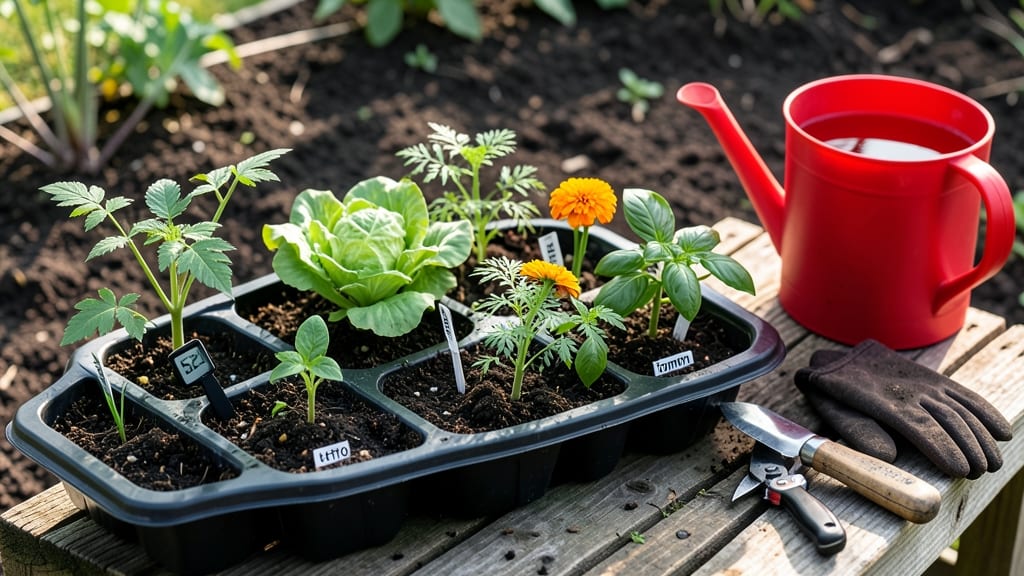
Knowing when to plant in Zone 6B can mean the difference between a thriving garden and a sad pile of frost-bitten seedlings.
With average last frost dates landing between mid-April and early May, timing is everything—especially when cool-season crops like spinach need a head start and warm-season favorites like tomatoes demand patience.
I’ve spent years testing the perfect planting windows, and the key is understanding your crop’s tolerance. Plant too early, and a late frost will wipe out your hard work.
Too late, and your summer harvests arrive just as temperatures drop. The solution? A flexible schedule that accounts for both soil warmth and unpredictable spring weather.
In this guide, I’ll break down the exact weeks before last frost to plant everything from peas to peppers, plus how to adjust for Zone 6B’s unpredictable shifts. Whether you’re a beginner or a seasoned gardener, these strategies will help you stretch your growing season—and your harvest—longer than ever.
Ready to turn your garden into a year-round success? Let’s get into the precise timing that works for your climate, crop by crop.
Zone 6B last frost dates: exact weeks before planting by crop type
In Zone 6B, your planting schedule hinges on two critical dates: the last frost (typically April 15–May 1) and the first frost (around October 15–November 1).
These dates create a 165-day growing window—perfect for cool-season crops in spring and fall, while warm-season plants need to wait until soil warms. Let’s break it down by crop type so you can plan with precision.
For cool-season crops like spinach, peas, and lettuce, start seeds 4–6 weeks before your last frost. This means sowing in mid-March to early April for an early spring harvest. These plants thrive in 40–60°F soil and can even tolerate light frosts, making them ideal for extending your season.
Warm-season crops like tomatoes and peppers, however, need to wait until 2–3 weeks after the last frost—usually mid-May—when soil temperatures reach 60°F or higher.
Pro tip: Use a soil thermometer to confirm readiness.
If your soil is still chilly, delay planting warm-season crops to avoid stunted growth. Succession planting is your secret weapon in Zone 6B. By staggering plantings every 2–3 weeks, you can ensure a continuous harvest of lettuce, radishes, or bush beans throughout the season.
Here’s a quick reference for key planting windows in Zone 6B:
Don’t overlook perennials like asparagus or strawberries, which can be planted in early spring (March–April) or early fall (September) for established root growth before winter.
These plants benefit from a head start, so aim to get them in the ground 6–8 weeks before the first frost to ensure they establish before cold sets in.
Zone 6B’s unpredictable spring weather can throw off even the best-laid plans. A late frost in early May or a sudden heatwave can stress young plants.
That’s why I always keep row covers and cold frames on hand—these tools can extend your planting window by 2–4 weeks for both cool- and warm-season crops. For example, you might transplant tomatoes 1–2 weeks earlier than usual if you use a cold frame to warm the soil.
For warm-season crops, timing is everything. Plant too early, and they’ll bolt or rot in cold soil. Too late, and you’ll miss the growing season entirely. A general rule: Wait until the average daily temperature stays above 50°F for at least a week.
This usually aligns with mid-May in most of Zone 6B, but always check local almanacs for microclimate variations—urban areas may warm faster than rural spots.
One of my favorite tricks is using black plastic mulch to warm soil quickly. Lay it down 2–3 weeks before planting warm-season crops like peppers or eggplants. This can raise soil temperatures by 10–15°F, giving seedlings a stronger start.
Pair this with drip irrigation to keep moisture consistent, and you’ll see faster germination and healthier plants.
If you’re new to Zone 6B gardening, start with low-risk crops like peas, radishes, and lettuce—they’re forgiving if you miss the window slightly. For high-stakes plants like tomatoes or cucumbers, mark your calendar for May 15 as your absolute minimum planting date.
And always have a backup plan: seedling trays ready to harden off if a late frost threatens.
Remember, Zone 6B’s frost dates are averages. Your mileage may vary based on elevation, proximity to water, or local microclimates. The key is to observe your garden’s behavior year after year and adjust accordingly.
With this schedule, you’ll be harvesting fresh greens in spring, juicy tomatoes in summer, and hardy kale in fall—all while dodging the pitfalls of unpredictable weather.
How to adjust planting times for zone 6B’s unpredictable spring weather
Zone 6B’s spring weather can be a gardener’s worst nightmare—late frosts in May and sudden heatwaves in April throw off even the best-laid plans. The key to success? Flexible timing and protective strategies.
I’ve learned to adjust my planting schedule based on soil temperature, not just calendar dates, to give tender seedlings the best chance.
Start by monitoring your local frost dates—most Zone 6B gardeners see their last frost between April 15 and May 1, but it can vary by 1-2 weeks depending on elevation and microclimates.
For example, my garden in Midwest often gets a late frost in early May, while my friend in Virginia might be frost-free by late April. Use a frost calendar or plant heat-loving crops like tomatoes only after soil reaches 60°F.
Here’s how I protect early seedlings from surprise frosts: I use row covers or cold frames to create a 5-10°F warmer microclimate. For example, I plant peas and spinach 4 weeks before my average last frost, then cover them with lightweight fabric until the threat passes.
This extends my growing season by 2-3 weeks without risking damage.
If your area has a history of late frosts, avoid planting warm-season crops like peppers or eggplants until May 15 at the earliest. These plants won’t survive even a light frost, so wait until soil is consistently warm.
Soil temperature is just as critical as air temperature. Use a soil thermometer to check depth—most seeds need soil at least 50°F for germination. For cool-season crops like lettuce or kale, I plant as soon as the ground thaws, even if air temps dip.
For warm-season crops, I wait until soil hits 65°F—this ensures strong root growth and faster maturity.
Another trick I swear by? Succession planting in short intervals. Instead of sowing all my radishes at once, I plant a new row every 2 weeks from April through June. This way, if one batch gets hit by frost, I still have fresh harvests.
For tomatoes, I stagger plantings by 10-14 days to spread out the harvest and avoid overloading my kitchen.
Don’t forget to watch for heatwaves in late spring. If temperatures spike above 85°F before your tomatoes or peppers are established, they’ll bolt or develop blossom-end rot. I mulch heavily with straw to keep roots cool and water deeply in the morning to reduce stress.
With these adjustments, I’ve extended my growing season by 4-6 weeks on both ends!