
Companion Plants
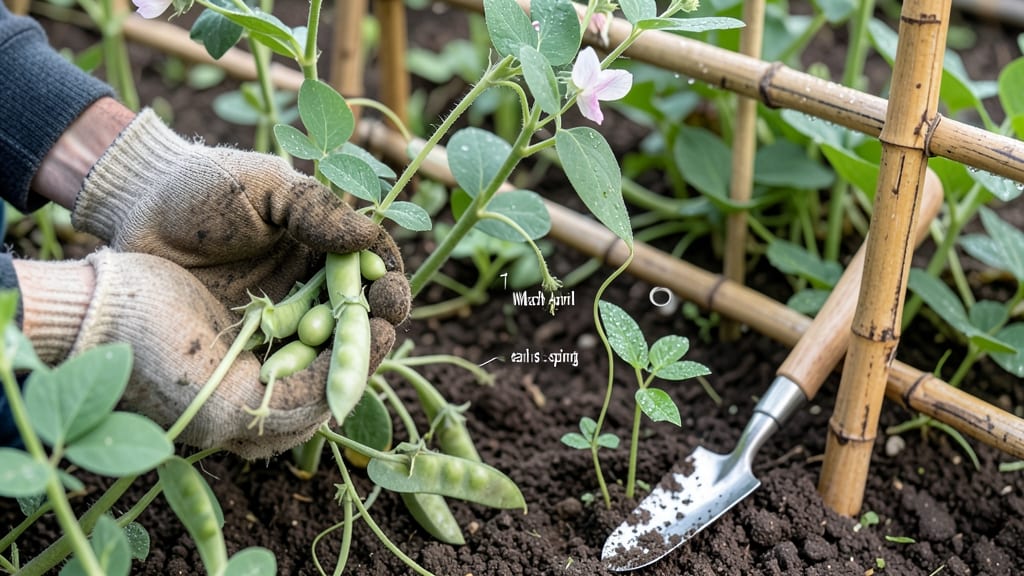
Timing your pea planting just right in the UK could mean the difference between a garden overflowing with sweet, tender pods and a handful of frost-bitten failures. With UK frost dates creeping in unpredictably, getting those seeds in the ground at the perfect moment is everything.
Most gardeners know peas are a spring staple, but did you know early varieties can go in as soon as February in milder regions? Meanwhile, maincrop types wait until March or April to avoid that dreaded late frost.
The key is understanding your local microclimate—whether you're in frost-prone Scotland or the milder south.
In this guide, I’ll walk you through the exact planting window for your area, plus pro tips to protect your peas from cold snaps. We’ll cover soil prep, frost-sensitive varieties, and even how to stretch your harvest into autumn.
Ready to turn those seeds into a garden full of 🌱?
Whether you’re a seasoned grower or a first-timer, nailing the timing will give you peas that are plump, flavorful, and ready to harvest from May right through to September. Let’s get those seeds in the ground the right way!
UK pea planting dates by region: avoiding frost for maximum yield
Peas are one of the first spring vegetables you can plant in the UK, but timing is everything. Frost-sensitive young plants need protection until soil temperatures rise above 10°C (50°F).
In my experience, planting too early risks seed rot, while waiting too long means missing the prime harvest window of May to September.
UK regions vary dramatically in frost risk. Southern England enjoys earlier planting (as early as February), while Scotland’s cooler climate demands patience until April. Wales and Northern Ireland fall somewhere in between, with microclimates adding further complexity. Let’s break down the optimal planting windows by region to maximize your yield.
🌱 Key Rule: Always plant 2-3 weeks before your area’s last frost date, which typically falls in mid-March for southern UK and late April for Scotland. Use local weather forecasts or the Met Office’s frost risk maps to fine-tune your timing.
| Region | Early Varieties (e.g., 'Meteor') | Maincrop (e.g., 'Douce Provence') | Microclimate Adjustments |
|---|---|---|---|
| Southern England (e.g., London, Kent) | February (under cloches) – Early March | March – Mid-April | Coastal areas: plant 1 week earlier. Sheltered spots: extend to late April. |
| Midlands (e.g., Birmingham, Manchester) | Late February – Early March | Mid-March – Early May | Urban gardens: use black plastic mulch to warm soil. Higher elevations: delay by 10-14 days. |
| Wales (e.g., Cardiff, Snowdonia) | Early March – Late March | Late March – Mid-May | Valleys: plant 2 weeks earlier. Mountainous areas: wait until May for maincrop. |
| Scotland (e.g., Edinburgh, Highlands) | Late March – Early April | April – Early June | Glasgow: align with Midlands. Highlands: plant 3-4 weeks later or use fleece protection. |
| Northern Ireland (e.g., Belfast) | Early March – Mid-March | Mid-March – Late May | Coastal: plant 1 week earlier. Inland: delay by 7-10 days. |
For early varieties like 'Meteor', I recommend sowing seeds 1 inch deep in well-drained soil, even if it’s still chilly. These cold-hardy peas can tolerate light frosts down to -5°C (23°F), but avoid planting when heavy frost is forecasted.
Use pea sticks or trellises immediately to support their vertical growth.
If you’re growing maincrop varieties, wait until soil temperatures consistently stay above 7°C (45°F). These take longer to mature (up to 80 days) but produce larger pods.
In my garden, I’ve found that succession planting every 2 weeks from March to May ensures a continuous harvest through summer.
One common mistake is planting peas too late. After mid-June, the days grow shorter, and peas struggle to set pods before autumn frosts arrive.
For a second harvest, try autumn-sown varieties like 'Telephone' in late July or August, but protect them with fleece or cloches as temperatures drop.
Pro tip: Test your soil’s drainage
UK pea planting dates by region: avoiding frost for maximum yield
Peas are a cool-season crop that thrive in the UK's mild spring temperatures, but timing is everything—especially when frost can wipe out seedlings overnight. The key is planting 2-3 weeks before your last frost date, but regional differences mean your ideal window varies from Scotland to Cornwall.
Let’s break it down by area so you can avoid frost damage and maximize your harvest.
In England and Wales, where frosts typically lift by mid-March in the south (e.g., London, Bristol) and late March to early April in the north (e.g., Manchester, Birmingham), aim to sow early varieties like 'Meteor' from February.
For maincrop varieties (e.g., 'Douce Provence'), wait until March to early April to ensure they mature before summer heat sets in. Northern Ireland and Scotland have later frosts—often mid-April in Edinburgh—so delay sowing until late March to April.
| Region | Last Frost Date | Early Varieties (e.g., 'Meteor') | Maincrop (e.g., 'Douce Provence') | Microclimate Tip |
|---|---|---|---|---|
| Southern England (London, Bristol) | Mid-March | February (under cloches) | March to early April | Use fleece for January sowings |
| Midlands/Northern England (Manchester, Leeds) | Late March | Late February to March | March to April | Avoid low-lying areas (frost pockets) |
| Scotland (Edinburgh, Glasgow) | Mid-April | Late March | April | Prioritize sheltered spots near walls |
| Northern Ireland (Belfast) | Late March | Late February to March | March to April | Use black polythene for soil warming |
| Wales (Cardiff, Swansea) | Early April | Late February to March | March to early April | Sow near south-facing fences |
For continuous harvests, consider succession planting every 2-3 weeks from March to May. This works especially well in warmer microclimates, like greenhouses or urban gardens with south-facing walls.
If you’re unsure about your local frost dates, check the Met Office’s frost forecast or use frost-free soil thermometers to test ground temperatures (7°C/45°F is ideal for sowing).
Pro tip: Hardened-off seedlings (grown indoors under lights) can be planted out 1-2 weeks earlier than direct sown seeds, giving you a head start in colder regions. Just remember to harden them off for 7-10 days before transplanting to avoid shock.