
Companion Plants
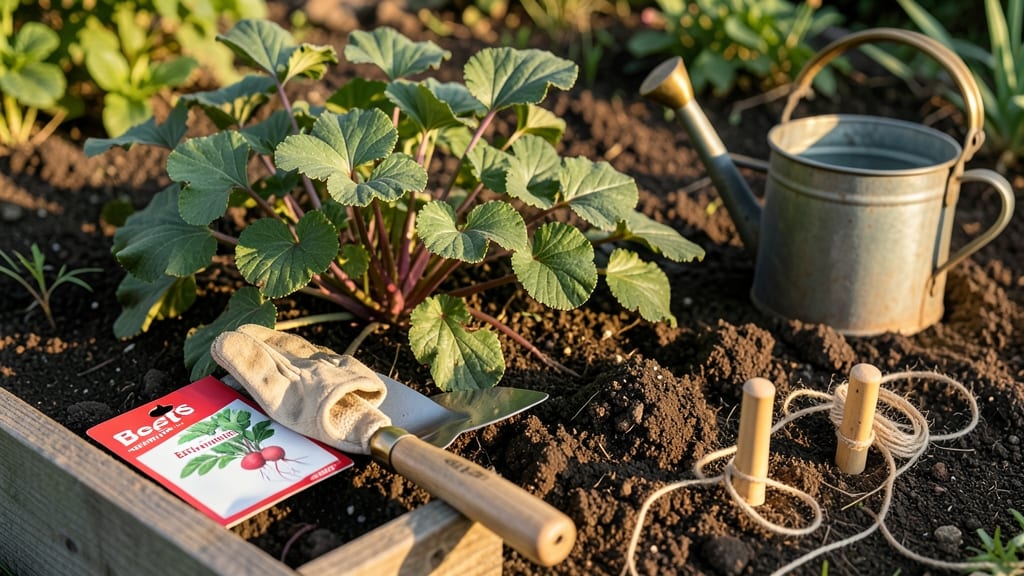
Timing your beet planting in Zone 7 could mean the difference between a garden full of tender, sweet 🍠 roots and a disappointing harvest of tough, woody messes.
The key lies in understanding your local frost dates and soil temperature thresholds—both of which directly impact when you should plant those seeds.
If you've ever wondered why some gardeners swear by early spring plantings while others prefer late summer, the answer lies in your Zone 7 climate. With the right timing, you can enjoy fresh beets from May through October, but getting it wrong means struggling with bolting or stunted growth.
Let me show you exactly when to plant for maximum success.
Spring planting typically starts as early as March, once soil temperatures consistently reach 40°F and the last frost date has passed. Meanwhile, fall plantings offer a second chance for harvests in September and October—perfect for extending your garden season.
I'll break down the exact windows and what to watch for in each season.
Whether you're a first-time gardener or a seasoned pro, these insights will help you avoid common mistakes and get the most out of your beet harvest. Ready to dig in? Let's get started with the perfect planting schedule for your Zone 7 garden.
Zone 7 beet planting calendar: frost dates & soil temperature rules
In Zone 7, the last frost date typically falls around March 15, but your exact window depends on elevation and microclimates. For reliable beet growth, soil temperatures should stay above 40°F consistently.
Use a soil thermometer to confirm—beets thrive between 40°F and 85°F, with ideal germination at 50-70°F.
Early plantings in March work if you use row covers to protect seedlings from late frosts. Most gardeners in Zone 7 wait until mid-April for safer results. This timing aligns with when soil warms enough to prevent slow germination, which can lead to pest issues or uneven growth.
For fall harvests, aim to plant July 15-August 15 so beets mature before first frost (November 15). This window gives you 80-90 days of growth—perfect for varieties like 'Detroit Dark Red' or 'Golden', which handle cooler temps better than heat-sensitive types.
Your personal planting window may shift slightly based on local weather. Check the USDA Plant Hardiness Zone Map and your local cooperative extension service for precise frost dates. Even a 1-week difference can mean the difference between a thriving crop and stunted roots.
| Planting Window | Soil Temp Requirement | Key Considerations | Harvest Window |
|---|---|---|---|
| Early Spring (March 15-April 15) | 40-60°F (use row covers) | Protect from late frosts; thin seedlings early | May-June |
| Mid-Spring (April 15-May 15) | 50-70°F (ideal germination) | Best for most varieties; succession plant every 2 weeks | June-July |
| Late Summer (July 15-August 15) | 60-85°F (avoid heat stress) | Use shade cloth if temps exceed 85°F; prioritize heat-tolerant varieties | September-October |
If you're planting in February (possible in warmer microclimates), use black plastic mulch to warm soil faster. This trick works well in southern Zone 7 but may not suit cooler areas. Always monitor soil temps—cold soil can cause seeds to rot before germinating.
For succession planting, sow new seeds every 2-3 weeks after your initial planting. This ensures a steady supply of fresh beets all season. In Zone 7, your last succession planting should be by August 1 to allow enough time for roots to mature before frost.
Remember: Beets are cool-season crops, so they handle heat poorly. If summer temps exceed 85°F for more than a week, your plants may bolt (go to seed) prematurely. Choose heat-tolerant varieties like 'Chioggia' or 'Bull's Blood' for late-summer plantings.
Pro tip: Mark your calendar for June 15 and September 15—these are the ideal deadlines for starting new plantings in Zone 7. After these dates, your beets won't have enough time to reach harvest size before winter sets in.
Spring vs fall beet planting in Zone 7: which season wins?
Deciding between spring and fall beet planting in Zone 7 can feel like choosing between two equally tempting options—both seasons offer unique advantages. Spring plantings (March-April) give you an early harvest, while fall plantings (August-September) extend your season into late autumn.
The key difference? Temperature management and bolting risks play starring roles in each scenario.
For spring, I always aim to plant as soon as soil temperatures hit 40°F consistently, typically around mid-March in most of Zone 7. This timing lets me harvest tender roots by late May before summer heat sets in.
The trade-off? If you plant too early and face a late frost, your seedlings could suffer. Fall plantings, on the other hand, avoid summer's extreme heat but require careful timing to mature before the first frost (usually mid-November).
Here's where the magic happens: Succession planting in both seasons lets you stagger harvests. In spring, I plant every 2 weeks until early May, while fall plantings get their last chance in early August for a September-October harvest. The goal? Continuous production without gaps in your kitchen garden.
Spring Planting (March-April)
- Early harvests (May-June)
- Cooler soil temps prevent bolting
- Longer growing season before summer heat
- Late frost risk for early plantings
- Requires succession plantings for continuous harvest
- Bolting possible if temps rise too fast
Fall Planting (August-September)
- Second harvest season (September-October)
- Avoids summer heat stress
- Less pest pressure than spring
- Short growing window before frost
- Requires precise timing for maturity
- Soil may be dry in late summer
My personal strategy? I always plant both seasons but prioritize spring for larger roots and fall for baby beets and greens. For fall plantings, I use row covers to extend the season by 2-3 weeks, which has given me harvests well into October.
The secret? Planting 8-10 weeks before your first frost date ensures mature roots before cold sets in.
One pro tip: If you're growing heat-tolerant varieties like 'Detroit Dark Red' or 'Chioggia', you can push summer plantings into early July for a late-summer harvest. Just be prepared to provide shade cloth during peak afternoon heat to prevent bolting.
The right variety can make all the difference between success and failure in Zone 7's summer heat.
For both seasons, I always test soil moisture before planting—beets hate dry soil. A simple finger test (stick your finger 1 inch deep) should feel slightly damp but not soggy. This small check prevents the most common mistake gardeners make: underwatering their beets.
With the right timing and care, you'll enjoy fresh beets from May through October—no grocery store needed! 🌱