
Watering
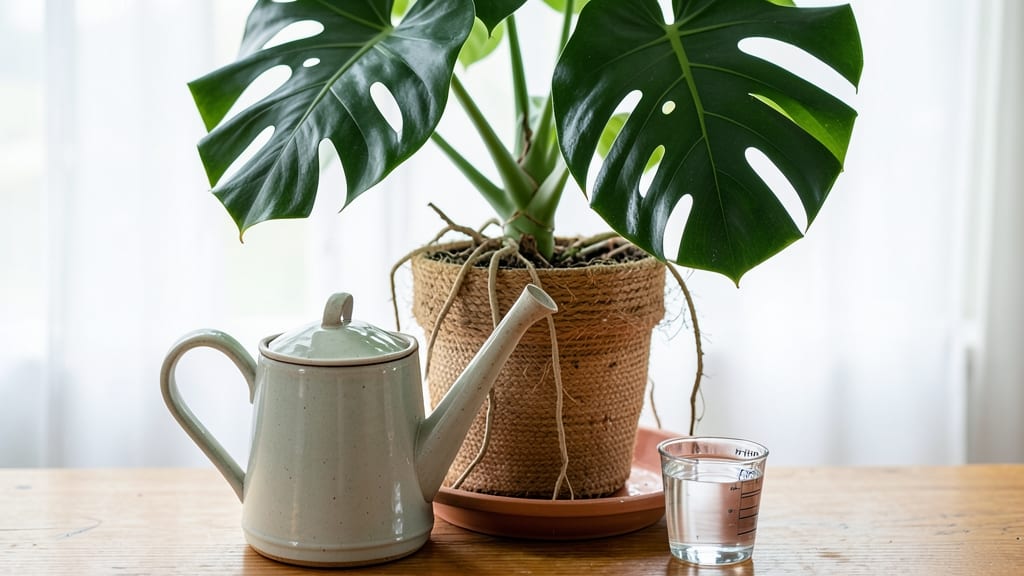
To keep your Monstera plant thriving, figuring out how much water it needs is the most important factor—get it wrong, and you risk root rot or crispy leaves. This tropical beauty 🌿 needs just the right balance, and many plant parents overdo it without realizing it.
I’ve learned the hard way that Monsteras hate soggy soil, yet they also need consistent moisture to grow those stunning split leaves.
You might think more water equals happier plants, but the truth is, Monsteras prefer their soil to dry out slightly between waterings. The key is checking the top 1-2 inches—when it feels dry, it’s time to water deeply until it drains from the bottom.
Season and pot size change the game, too, so let’s break down exactly how to adjust your watering routine.
Whether you’re dealing with a young plant or a mature vine, understanding the signs of over- or under-watering saves you from heartbreak. Yellow leaves? Drooping stems? I’ll show you how to diagnose the problem and fix it fast. No more guesswork—just lush, healthy growth.
Ready to master the art of watering your Monstera? Let’s dive into the game-changer techniques that’ll keep your plant happy year-round, no matter where you live or what season it is.
Monstera watering schedule: how often to water based on plant age and season
Your Monstera deliciosa thrives on a consistent watering routine—but getting it right means understanding its unique needs. As a tropical plant, it loves moisture but despises soggy roots. The key? Watering frequency that adapts to your plant's age, season, and environment.
Let's break down the science-backed schedule that keeps your Monstera happy without risking root rot.
First, recognize that a juvenile Monstera (under 2 years old) has different needs than a mature plant.
Young plants have smaller root systems and dry out faster, while mature Monsteras can store more water. Seasonal changes also play a huge role—summer heat demands more frequent watering, while winter slows growth and reduces moisture needs.
For indoor Monsteras, the general rule is to water when the top 1-2 inches of soil feel dry. But this changes based on your home's humidity, pot size, and even the season.
A small 6-inch pot may need water every 5-7 days, while a large 12-inch container could go 10-14 days between waterings. Let's dive into the specifics.
🌱 Did You Know? Monsteras in terracotta pots dry out faster than those in plastic containers because terracotta wicks moisture away.
| Plant Stage | Season | Watering Frequency | Soil Check | Notes |
|---|---|---|---|---|
| Juvenile (0-2 yrs) | Spring/Summer | Every 5-7 days | Top 1 inch dry | Small root system |
| Juvenile (0-2 yrs) | Fall/Winter | Every 10-14 days | Top 2 inches dry | Growth slows |
| Mature (2+ yrs) | Spring/Summer | Every 7-10 days | Top 2 inches dry | Larger root system |
| Mature (2+ yrs) | Fall/Winter | Every 14-21 days | Top 3 inches dry | Dormancy period |
During spring and summer, your Monstera enters its growth phase, which means it needs more frequent watering. This is when you'll see new leaves unfurling and vines reaching for support. Morning watering is ideal—it gives excess moisture time to evaporate before nightfall, reducing fungal risks.
Aim for a deep soak each time, ensuring water reaches the bottom of the pot. You'll know it's enough when water drains freely from the holes.
As temperatures drop in fall and winter, your Monstera's growth slows dramatically. This is its dormancy period, and you should adjust your watering schedule accordingly. Reduce frequency to every 10-21 days, letting the soil dry out more completely between waterings.
Overwatering during dormancy is a common mistake that leads to root rot. Watch for wrinkled leaves as a sign your plant needs hydration, but avoid watering on a strict schedule—always check the soil first.
Pot size matters more than you might think. A small 6-inch pot with limited soil volume will dry out quickly, while a large 12-inch container can hold moisture longer. If you're repotting your Monstera, choose a container that's only
5 Signs your Monstera is overwatered (or underwatered) and how to fix it
Your Monstera plant might be silently screaming for help—literally! Yellowing leaves, mushy stems, or crispy edges are classic signs your watering routine needs a tune-up. Since Monsteras thrive in tropical humidity but hate soggy roots, spotting these clues early can save your plant from irreversible damage.
Let’s decode the visual and tactile warnings your Monstera uses to communicate its water needs.
First, check the soil moisture with your finger. If the top 1-2 inches feel damp but your plant still looks thirsty, you’re likely overwatering. Monsteras prefer their soil to dry out slightly between waterings—think of it like a sponge that’s squeezed out but not wrung dry.
Overwatering is the #1 killer of indoor Monsteras, often leading to root rot, which spreads faster than you’d think.
🌱 Overwatered vs. Underwatered: Quick Fixes
| Issue | Signs | Fix |
|---|---|---|
| Overwatered | Yellow leaves, mushy stems, foul odor | Stop watering, repot in fresh well-draining soil, trim dead roots |
| Underwatered | Brown leaf tips, crispy edges, drooping | Water deeply, increase humidity, mist leaves |
💡 Pro Tip: Use a moisture meter for accuracy—no more guessing!
If your Monstera’s leaves are turning yellow and mushy, it’s a red flag for overwatering. Start by letting the soil dry out completely for 3-5 days, then repot your plant in a fresh mix of well-draining soil (think orchid bark or perlite added to potting mix).
Trim any black or squishy roots with sterilized scissors—this might seem harsh, but it’s your plant’s lifeline.
On the flip side, brown, crispy leaf edges scream underwatering. Unlike overwatering, this issue is easier to reverse: give your plant a deep drink until water runs out the drainage holes, then place the pot on a pebble tray with water to boost humidity.
Monsteras love 60-70% humidity, so a quick misting or a humidifier nearby can work wonders during dry winter months.
Don’t ignore drooping leaves either—this could mean either too much or too little water. The key is to check the soil first. If it’s bone-dry, water thoroughly. If it’s still damp, your plant might be root-bound or struggling with low light.
Move it to a brighter spot (but avoid direct sun) and consider repotting if roots are circling the bottom of the pot.
Finally, keep an eye out for white mold or fungus gnats—both are signs of excess moisture. If you spot these, reduce watering immediately and treat with a fungicide spray or neem oil.
With a little attention to these 5 key signs, your Monstera will bounce back faster than you’d expect, and you’ll become a watering pro in no time!