
Companion Plants
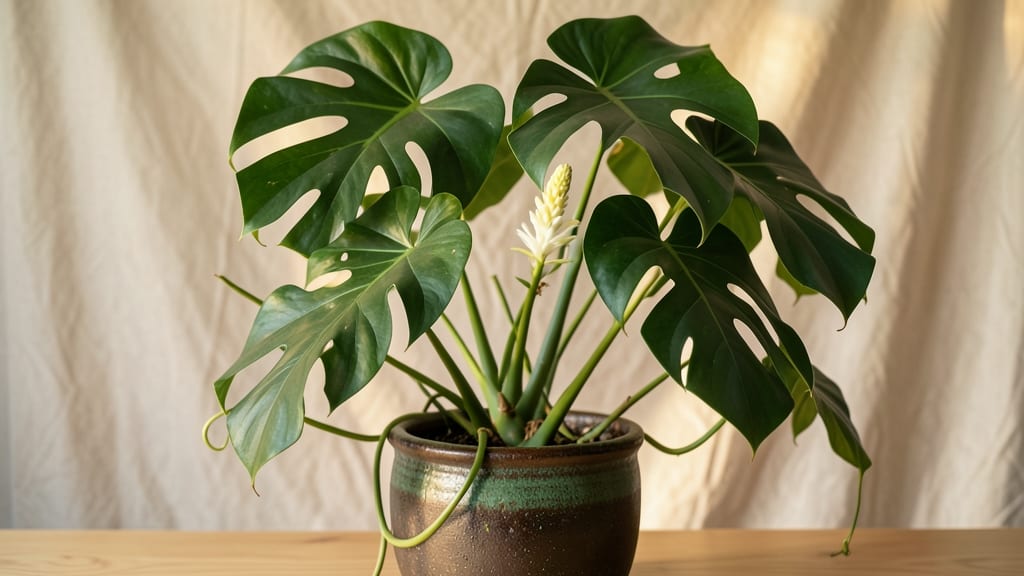
If your monstera plant needs how much light to thrive—stretching awkwardly or developing sad, pale leaves—chances are, it’s not getting the right amount.
The key to thriving monsteras isn’t just any light; it’s the perfect balance of bright indirect light for 4-6 hours daily, and most people either overthink or oversimplify this.
I’ve seen too many monsteras suffer from well-intentioned mistakes: too little light leads to leggy, weak growth, while too much direct sun causes those gorgeous leaves to crisp at the edges.
The good news? With a few simple adjustments—like rotating your plant or choosing the right window—you can transform its health in just a few weeks.
Let’s break down exactly how much light your monstera needs, how to spot the signs of light stress, and the easiest ways to fix common issues.
Whether you’re dealing with a slow-growing juvenile or a mature plant that’s lost its luster, these tips will help you create the ideal light conditions for lush, vibrant growth.
Ready to give your monstera the perfect spot? We’ll cover everything from window placement to supplementing with grow lights, so you can finally watch those iconic splits and holes emerge—without the guesswork.
Ideal daily light requirements for monsteras (by growth stage)
Monsteras thrive in bright indirect light, but their needs change as they grow. A juvenile monstera (under 2 feet tall) can handle 2-4 hours of light daily, while mature plants (over 3 feet) crave 4-6 hours to develop those iconic fenestrations.
Too little light leads to etiolation—those leggy, pale stems reaching desperately for sunlight.
The key is light intensity, not just duration. Direct sun burns leaves, but dappled sunlight through sheer curtains mimics their jungle habitat. East-facing windows offer perfect morning light, while west-facing windows can scorch in afternoon heat. North-facing windows work well but may require supplemental light for faster growth.
Here’s the breakdown of what your monstera needs at each stage, including how to spot light deprivation before it’s too late:
Many gardeners mistakenly believe monsteras thrive in low light, but this leads to stunted growth and weak stems. A quick way to test your plant’s light exposure is the "shadow test": Hold a white sheet of paper near your monstera.
If the shadow is fuzzy or indistinct, the light is too diffuse—time to move it closer to a brighter spot.
For fastest growth, aim for 4-6 hours of bright indirect light daily. Place your monstera 2-3 feet from an east or north-facing window for optimal results.
If your home lacks natural light, grow lights (LED or fluorescent) can supplement, but keep them 12-18 inches away to avoid leaf burn.
Pro tip: Rotate your monstera every 2-3 weeks to ensure even light exposure. This prevents lopsided growth and encourages fuller, bushier vines. A well-lit monstera will reward you with larger leaves and faster fenestration development—the hallmark of a happy plant!
Even with perfect light, monitor your monstera for yellowing leaves (too much light) or dark green, small leaves (too little). Adjusting light exposure early can save your plant from irreversible damage.
How to adjust your monstera’s light exposure for maximum growth
Monsteras are famously adaptable, but that doesn’t mean they’ll thrive in just any light. If your plant is struggling, the first step is assessing your space. East-facing windows provide the ideal 4-6 hours of bright indirect light—gentle morning sun without harsh afternoon rays.
West-facing windows can work, but you’ll need to filter light with sheer curtains to prevent leaf scorch.
For rooms with low natural light, supplement with a grow light (LED or fluorescent) placed 12-18 inches above the plant. Run it for 12-14 hours daily to mimic daylight cycles.
Avoid cheap bulbs—opt for full-spectrum LEDs designed for houseplants. Rotate your monstera quarter-turn weekly to ensure even growth and prevent lopsided stretching toward the light source.
🌿
If your monstera is in a north-facing window, it may need extra light, especially in winter. Place it within 3 feet of the glass to maximize indirect light. For south-facing windows, use a light filter or move the plant back 4-5 feet to avoid leaf burn.
Pro tip: Wipe leaves monthly with a damp cloth—they absorb 10% more light when dust-free!
Remember, gradual changes are key. If you move your monstera to a brighter spot, do it over 2-3 weeks to avoid shocking the plant. Sudden light shifts can cause leaf drop or crispy edges.
Pair these adjustments with consistent watering (let the top inch of soil dry between waterings) for the best results.
✂️