
Watering
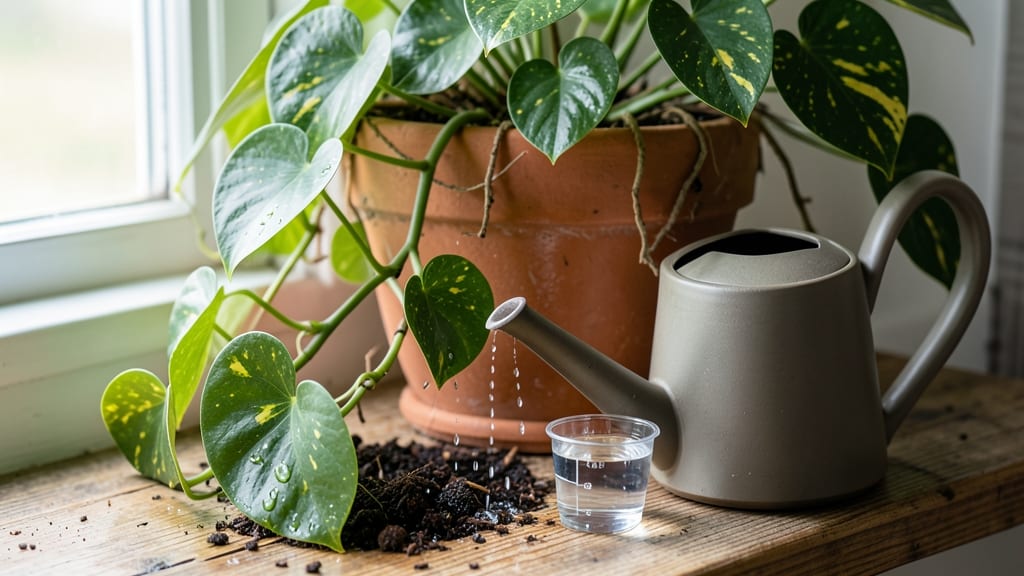
Struggling to figure out how much water your Money Plant 💵 really needs? You’re not alone—most people either drown these plants or leave them parched, both of which can spell disaster for their lush foliage.
The key to keeping your Money Plant thriving lies in understanding its watering needs, which change with the seasons and your home’s environment. Whether you’re a beginner or a seasoned plant parent, mastering this simple routine will save you from root rot or crispy leaves.
In this guide, I’ll break down the exact watering schedule, soil tests to check moisture levels, and seasonal adjustments that’ll keep your Money Plant happy for years. No more guessing—just healthy growth every time.
Let’s dive into the easy steps to water your Money Plant perfectly, so you can enjoy its vibrant leaves without the stress.
How much water does a money plant need? Exact schedule by season
Your money plant (Pachira aquatica) thrives on a consistent but cautious watering routine. Unlike thirsty succulents, it prefers slightly moist soil—never soggy. The key is balancing hydration with airflow to prevent root rot, which kills 80% of indoor money plants.
I’ve learned this the hard way after my first plant turned into a sad, mushy mess from overzealous watering!
Watering needs shift with seasons, pot size, and humidity. In spring and summer, your money plant drinks more as it grows, while fall and winter demand drastic reductions.
Even the size of your pot matters—small pots dry out faster than large ones. Let’s break it down by season so you never guess again.
For small pots (under 6 inches), water every 5-7 days in summer, but skip the schedule if your money plant’s leaves feel crispy at the edges—that’s a sign of underwatering.
Larger pots (over 10 inches) hold moisture longer, so stretch watering to every 10-14 days. Pro tip: Group plants together to create a microclimate that retains humidity naturally.
Your money plant’s water needs also depend on humidity. If your home feels dry (like 30% or below), water 2 days earlier than the schedule. Use a hygrometer ($10 on Amazon) to track levels—it’s a game-changer.
I placed mine near my money plant, and now I adjust watering based on real data, not guesswork.
Watch for leaf color changes—yellowing means overwatering, while brown, crispy edges signal thirst. Both extremes stress your plant, but recovery is possible. If your money plant’s leaves droop slightly in the morning, it’s likely dehydrated.
Give it a deep drink and monitor for 24 hours. If leaves stay limp, check the roots for rot.
Morning watering is non-negotiable for money plants. Watering at night traps moisture in the soil, inviting fungal diseases like powdery mildew. I set a phone reminder for 8 AM to stay consistent.
Use room-temperature water—cold water shocks roots, while tap water left overnight lets chlorine dissipate. For extra care, collect rainwater in a clean container.
If your money plant is newly potted, it’ll need water every 3-4 days until roots establish (about 4-6 weeks). The soil dries faster in terracotta pots than plastic, so adjust accordingly.
I repotted my money plant into a clay pot last month, and now I water 3 days earlier than before—my plant’s growth rate doubled!
Remember: Underwatering causes
5 Soil tests to determine when your money plant needs watering
I’ve learned the hard way that guessing when to water your money plant leads to either soggy roots or crispy leaves. Instead, use these 5 simple soil tests to check moisture levels accurately—no fancy tools required!
Start by sticking your finger into the soil about 1-2 inches deep; if it feels dry, it’s time to water.
For a more precise method, lift the pot—dry soil feels light, while damp soil feels heavier. This trick works especially well for larger pots where topsoil can be misleading. Always water in the morning to let excess moisture evaporate during the day.
Pro tip: If your money plant is in a terracotta pot, the soil dries faster than in plastic. Adjust your watering schedule accordingly—terracotta wicks moisture away, so check soil moisture daily in hot climates.
Always water until it drains from the bottom, then empty the saucer to prevent root rot.
For new growers, I recommend keeping a small notebook by your plant. Jot down when you water and how the soil feels—this builds your intuition over time. Overwatering is reversible, but it’s easier to prevent with these simple checks!
Remember, money plants are drought-tolerant once established. If you’re unsure, wait one more day before watering—your plant will thank you with lush, vibrant leaves. 🌱