
How To
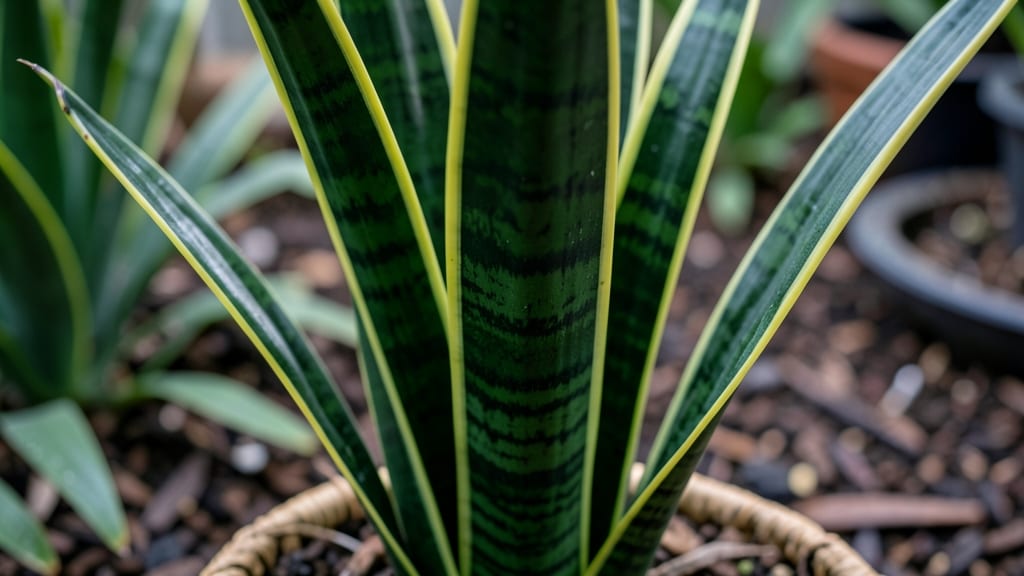
If your snake plant 🌱 seems to be stretching toward the ceiling like it’s reaching for the sky, you’re not imagining things—some varieties can grow surprisingly tall, while others stay compact.
The height of your snake plant depends on its type, care habits, and even the pot you’re using, which means you might be missing out on controlling its growth.
From the towering 4-foot giants like Futura Superba to the petite 1-2-foot Hahnii varieties, snake plants offer a range of sizes that can fit any space.
But whether you want a bushy, low-growing plant or a dramatic vertical statement piece, the key lies in understanding how light, water, and pruning influence its growth.
Many people assume snake plants will grow tall no matter what, but that’s not always the case. Overwatering, insufficient light, or root-bound conditions can actually make them stretch unnaturally.
I’ll show you how to keep your snake plant at your ideal height—whether that means encouraging it to grow taller or trimming it back for a fuller look.
Ready to discover the secrets behind your snake plant’s height? Let’s break down the varieties, care tips, and common mistakes that could be affecting your plant’s growth—so you can finally get the size you’ve been dreaming of.

Snake plant height by variety: from compact to towering giants
Your snake plant's final height isn't just luck—it's all about the variety you've chosen. Some stay low and bushy, while others can grow taller than a standard kitchen countertop.
Let's explore the most popular snake plant varieties and their mature heights to help you set realistic expectations for your green friend.
First, the Sansevieria trifasciata 'Laurentii' (also called the "snake plant Laurentii") is one of the most common varieties. This classic grows to a moderate height of 2-3 feet with striking yellow-edged leaves. Its upright growth habit makes it perfect for adding vertical interest to any room without overwhelming smaller spaces.
Now, if you're after something truly compact, the Sansevieria 'Hahnii' (often called the "bird's nest snake plant") is your best bet. This variety stays low and bushy, reaching only 1-2 feet tall but spreading wider.
Its rosette shape creates a stunning cascading effect, making it ideal for shelves or hanging baskets.
For those who love drama, the 'Futura Superba' variety is a showstopper. This tall snake plant can reach an impressive 3-4 feet in height with thick, sword-like leaves. Its bold presence makes it a favorite for statement pieces in larger spaces or as a focal point in minimalist decor.
Here's where things get interesting—some varieties like the 'Moonshine' or 'Golden Hahnii' stay compact (1-2 feet) while others like the 'Black Gold' can grow nearly as tall as the 'Futura Superba' (3-4 feet). The key difference? Genetics and care habits play equal roles in determining final height.
I've grown all these varieties myself, and I can tell you firsthand that proper lighting and container size can influence how tall your snake plant grows.
For example, my 'Laurentii' in a small pot stayed under 2 feet, but when I repotted it into a larger container, it shot up to 3 feet within two years.
Let's compare these popular varieties side by side to help you visualize their mature sizes and growth habits. This comparison will show you exactly what to expect from each type based on my years of growing experience.
| Variety | Mature Height | Growth Habit | Best For |
|---|---|---|---|
| Sansevieria 'Laurentii' | 2-3 ft | Upright, vertical | Corners, floor plants |
| Sansevieria 'Hahnii' | 1-2 ft | Compact, rosette | Shelves, hanging baskets |
| 'Futura Superba' | 3-4 ft | Tall, upright | Large spaces, focal points |
| 'Black Gold' | 3-4 ft | Tall, dramatic | Modern decor, statement pieces |
| 'Moonshine' | 1-2 ft | Compact, bushy | Small spaces, offices |
As you can see from the comparison, snake plant varieties offer a range of heights to suit every space. The 'Hahnii' and 'Moonshine' are perfect for small apartments or offices where vertical space is limited.
Meanwhile, the 'Futura Superba' and 'Black Gold' varieties will make a bold statement in larger rooms or as a centerpiece in your living area.
One thing I've learned from growing these plants is that height isn't the only factor—leaf width and color also vary dramatically between varieties. For example, the 'Hahnii' has much narrower leaves than the 'Futura Superba', which can make a space feel more open despite similar heights. Consider both
How to control snake plant growth height: pruning, light, and pot size tips
Want to keep your snake plant from reaching for the ceiling? Or maybe you’re dreaming of a taller, lush specimen? The good news is you can control its height with a few simple adjustments.
I’ve found that light exposure, pruning techniques, and pot size are the biggest factors in shaping your plant’s growth. Let’s dive into how to tailor these elements to your goals.
First, let’s talk about light exposure. Snake plants are famously adaptable, but their height can skyrocket when starved for light. If your plant is stretching unusually tall with sparse leaves, it’s likely reaching for sunlight.
Move it to a spot with bright, indirect light—like a south-facing window with a sheer curtain—to encourage compact, bushier growth. Too little light, and you’ll end up with a leggy, weak specimen.
Now, let’s address pruning, the secret weapon for managing height. Regular pruning not only controls size but also promotes new growth from the base. Use clean, sharp pruning shears to trim back overgrown leaves or leggy stems at the base.
You can even propagate the cuttings to grow new plants! Just be sure to sterilize your tools first to avoid bacterial infections.
Pot size plays a huge role in height control. Snake plants are root-bound tolerant, but if they’re crowded, they’ll focus energy on vertical growth rather than leaf production. Repot your plant every 2-3 years or when you see roots circling the pot.
Choose a container that’s only 1-2 inches wider than the current one to encourage slower, denser growth. A terracotta pot is ideal—it wicks away excess moisture, preventing root rot and overgrowth.
Another trick I swear by? Rotating your plant every few months. Snake plants grow toward light sources, so if one side is leaning heavily, it’s time to turn it.
This ensures even growth and prevents lopsided, tall spikes. Plus, it gives you a chance to check the soil moisture and adjust care as needed.
Finally, let’s talk fertilizer. Over-fertilizing can lead to rapid, weak growth, making your plant top-heavy and tall. Stick to a balanced, diluted fertilizer (like 10-10-10) and apply it only in spring.
During the dormant months (fall and winter), skip it entirely. Your snake plant will thank you with stronger, more controlled growth.
With these tips, you’ll have a snake plant that’s exactly the height you want—whether that’s a compact desk buddy or a statement-making centerpiece. The key is consistency and observation. Pay attention to how your plant responds, and adjust as needed! 🌿