
Plants
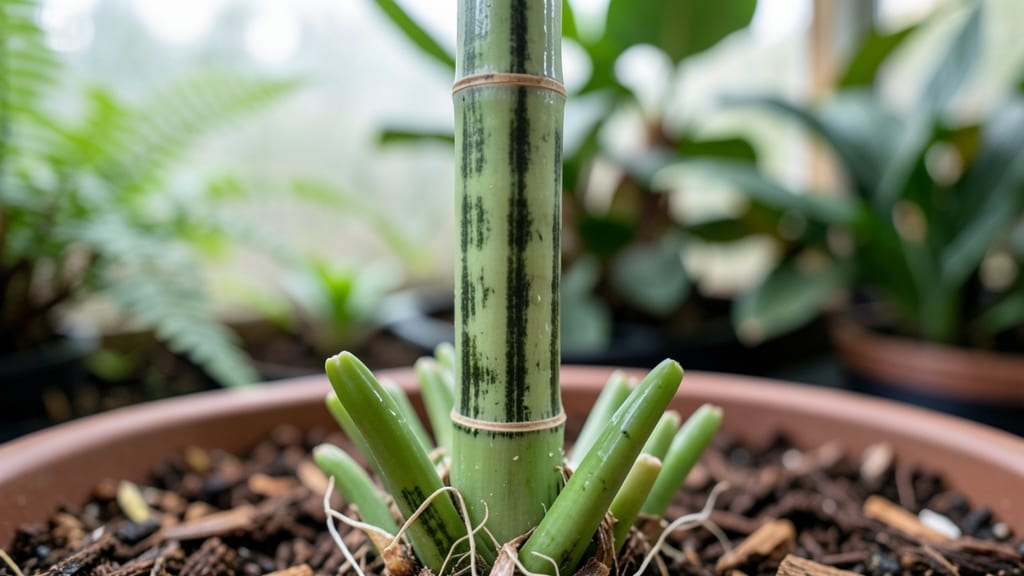
Ever wondered how tall your snake plant 🌱 will grow before it starts looking like a small tree in your living room?
The answer might surprise you—this hardy plant can reach heights of 3-4 feet indoors (or even taller outdoors), but its growth speed depends on a few key factors you can control.
If you're dreaming of a lush, floor-length statement plant, you'll want to know the fastest ways to encourage its growth—like giving it the right light and pot size. But if you prefer keeping it compact, there are simple tricks to manage its height without sacrificing its striking looks.
Whether you're a beginner or a seasoned plant parent, understanding your snake plant's natural growth habits will help you decide whether to let it stretch toward the ceiling or keep it at a manageable size.
Let’s break down exactly how tall it can get and how to shape its growth to fit your space.
From fast growth hacks to signs that your plant is getting too tall, you’ll discover everything you need to keep your snake plant thriving—whether you want it towering or trim. Ready to take control of its height?

Snake plant height limits: natural growth range for indoor vs outdoor cultivation
Your snake plant (Sansevieria trifasciata) is a slow but steady grower, with its final height depending heavily on where you grow it. Indoors, most varieties top out between 2 to 4 feet, while outdoor plants can reach 6 to 8 feet under ideal conditions.
This dramatic difference comes down to light exposure, pot size, and even the specific variety you’ve chosen.
For example, the classic Sansei variety typically stays compact indoors, while Black Gold or Moonshine varieties may stretch taller if given enough space. Understanding these limits helps you plan where to place your plant—whether it’s a living room corner or a sunny outdoor bed—without it becoming an unruly giant.
🌱
| Variety | Indoor Height | Outdoor Height | Growth Rate |
|---|---|---|---|
| Sansei | 2–3 ft | 5–6 ft | Slow |
| Moonshine | 3–4 ft | 7–8 ft | Moderate |
| Black Gold | 2.5–3.5 ft | 6–7 ft | Slow-Moderate |
| Futura Superba | 1.5–2.5 ft | 4–5 ft | Very Slow |
💡 Note: Outdoor heights assume full sun and well-draining soil.
Light is the biggest factor in determining your snake plant’s height. In low-light conditions, like a north-facing office, growth slows dramatically, and leaves may become thinner.
Move your plant to a bright, indirect light spot, such as near an east or west-facing window, and you’ll see faster, fuller growth. Just avoid harsh direct sunlight, which can scorch the leaves.
Pot size also plays a role. If your snake plant is root-bound—meaning its roots are circling the bottom of the pot—it will grow taller as it stretches toward light.
To control height, choose a pot that’s only 1–2 inches wider than the plant’s base. This encourages bushier growth rather than vertical stretching.
Watch for signs of overgrowth, like leaves that are too long or leggy. If your plant starts looking like it’s reaching for the ceiling, it’s time to prune or repot.
Trimming the tallest leaves at the base can stimulate new, shorter growth and keep your plant at a manageable height.
Outdoor snake plants, on the other hand, thrive in USDA Zones 9–11 and can grow much taller when planted in the ground. They benefit from the extra space and nutrients in soil, but they’re also more vulnerable to pests and extreme weather.
If you’re growing yours outside, consider mulching to retain moisture and protect the roots during hot summers.
🌿
Even with ideal conditions, snake plants are known for their slow growth rate. On average, they add only 4–6 inches per year indoors. This makes them perfect for low-maintenance plant lovers who want greenery without the hassle.
However, if you’re eager to see faster results, focus on light optimization and proper soil drainage—two key factors that can speed up growth without sacrificing plant health.
5 Fast growth hacks to Maximize (or control) your snake plant’s height
Want your snake plant 🌱 to grow faster—or keep it compact? The key lies in a few simple adjustments to its environment and care routine.
Whether you’re aiming for a floor-length statement plant or prefer a bushy, manageable size, these hacks will help you steer its growth in the right direction without stressing the plant.
First, light exposure is your most powerful tool. Place your snake plant near a bright, indirect light source, like an east-facing window, to encourage faster, fuller growth. Avoid dim corners, which slow growth and lead to thin, leggy leaves.
If your space lacks natural light, a grow light (12–14 hours per day) can mimic sunlight and boost height gains by up to 30%.
💡
- 🌞 Maximize light: 12+ hours of bright indirect light daily for faster growth.
- 🪴 Repot annually: Upgrade to a pot 1–2 inches wider to encourage bushier growth.
- ✂️ Prune leggy leaves: Trim tallest leaves at base to stimulate shorter, fuller growth.
- 💧 Water deeply: Soak soil every 2–3 weeks (less in winter) to avoid root stress.
- 🌱 Fertilize lightly: Use a balanced 5-5-5 fertilizer once in spring for a growth boost.
If your snake plant is stretching too tall, pruning is your best friend. Use a clean, sharp knife to cut the tallest leaves at the base, just above a leaf node.
This encourages new shoots to grow from the base, creating a fuller, shorter shape. For dramatic results, propagate the cuttings in water or soil—they’ll root easily and give you extra plants!
Another trick to control height is repotting. Snake plants grow taller when they’re root-bound, so choose a pot that’s only slightly larger than the plant’s base. This forces the plant to focus on leaf production rather than vertical growth.
Use a well-draining mix (like cactus soil) to prevent overwatering, which can stunt growth and lead to root rot.
For outdoor snake plants, mulching is a game-changer. Apply a 2–3 inch layer of mulch around the base to retain moisture and regulate soil temperature. This helps the plant grow taller and healthier without the stress of drought or extreme heat.
Just be sure to keep mulch away from the stem to prevent rot.
Finally, avoid common mistakes that slow growth, like overwatering or placing the plant in low-light conditions. Snake plants thrive on neglect, but they do need the right conditions to reach their full potential.
With these hacks, you’ll have a lush, healthy snake plant—whether you want it towering or trim!