
How To
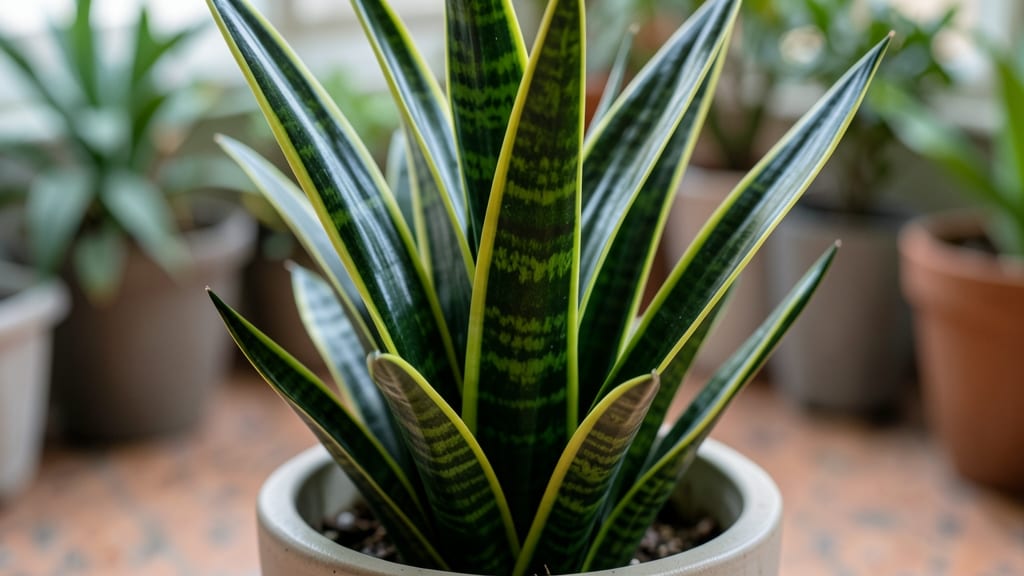
If you’ve ever wondered how tall your snake plant 🌱 could grow, the answer might surprise you—these hardy plants can reach heights of up to 4 feet indoors with the right care. But don’t worry, they won’t shoot up overnight.
Their growth rate depends on the variety, your home’s conditions, and a few simple care tweaks that keep them thriving without taking over your space.
Most snake plants grow at a steady, predictable pace, adding just a few inches each year. That means your 1-foot-tall plant today could easily double in height over the next few years if given enough light and room to stretch.
The key is understanding how your specific variety behaves—some stay compact, while others reach for the sky.
Whether you’re dealing with a towering 'Futura Superba' or a smaller 'Hahnii' variety, learning how to manage their growth will help you keep them at your ideal height.
I’ll break down the factors that control their size, from sunlight exposure to pot size, so you can enjoy a snake plant that fits perfectly in your home—no ceiling-light drama required.
Ready to discover how to nurture your snake plant for the perfect height? Let’s dive into the secrets of controlling their growth so you can keep them lush, healthy, and just the right size for your space.

Snake plant height limits by variety: how tall they can grow indoors
If you’ve ever wondered whether your snake plant (Sansevieria) will eventually reach for the sky, the answer depends entirely on its variety and growing conditions. While some types stay compact and bushy, others can stretch toward the ceiling—even indoors!
Let’s break down the height ranges for the most popular snake plant varieties and what you can expect over time.
Most snake plants reach their mature height within 2-5 years, though growth slows significantly after the first few years. The standard 'Moonshine' or 'Laurentii' varieties typically top out between 2-4 feet tall, while dwarf varieties like 'Hahnii' (also called "Bird’s Nest") stay under 1-2 feet.
Understanding these differences helps you choose the right plant for your space.
📊 Here’s a quick reference table for common snake plant varieties and their expected mature heights:
| Variety | Mature Height Range | Growth Rate | Ideal Indoor Space |
|---|---|---|---|
| Sansevieria trifasciata 'Laurentii' | 3-4 feet | Moderate (1-2 ft/year for first 3 years) | Living rooms, sunrooms |
| Sansevieria trifasciata 'Moonshine' | 2-3 feet | Slow to moderate (6-12 inches/year) | Offices, bedrooms, kitchens |
| Sansevieria 'Futura Superba' | 2-3 feet | Moderate (1 ft/year for first 2 years) | Sunny corners, hallways |
| Sansevieria 'Hahnii' (Bird’s Nest) | 1-2 feet | Slow (3-6 inches/year) | Shelves, desks, small spaces |
| Sansevieria 'Cylindrica' | 1-2 feet | Very slow (2-4 inches/year) | Succulent collections, terrariums |
The 'Laurentii' variety is the tallest common type, often reaching 4 feet indoors with ideal care, while 'Hahnii' remains a compact, trailing option perfect for shelves. If you’re worried about overgrowth, dwarf varieties are your best bet for maintaining a neat, low-profile look without sacrificing the plant’s striking foliage.
One common misconception is that all snake plants grow tall—in reality, their height is heavily influenced by genetics and environmental factors.
For example, a 'Moonshine' in a bright, sunny window may grow faster than one in a dim corner, but it will still max out around 3 feet. The key to controlling height lies in understanding these factors and adjusting your care routine accordingly.
For outdoor cultivation, snake plants can grow even taller—sometimes up to 6 feet—but indoor conditions typically limit them to their natural mature height. If you’re growing yours outside in USDA Zone 9 or warmer, expect faster growth and larger size.
However, most indoor gardeners will find their plants staying within the 2-4 foot range over their lifetime.
If you’re considering a snake plant for a small apartment, opt for 'Hahnii' or 'Cylindrica'—both stay under 2 feet and thrive in tight spaces. For larger rooms, 'Laurentii' adds dramatic vertical interest without taking over.
The choice ultimately comes down to your space and aesthetic goals, but all varieties share the same low-maintenance care requirements.
Pro tip: If you’re unsure which variety you have, check the leaf shape and pattern. 'Laurentii' has yellow edges, 'Moonshine' is solid green with a slight blue tint, and 'Hahnii' has rosette-like clusters. Knowing your plant’s identity helps you set realistic height expectations and care plans.
🌱 Ready to see your snake plant thrive at its ideal height? The next step is optimizing its growing conditions—let’s talk about how light, pot size, and pruning can influence its growth trajectory.
Factors that control snake plant height: light, pot size, and pruning tips
Your snake plant’s height isn’t just a matter of luck—it’s directly influenced by three key factors: sunlight exposure, container size, and pruning habits. Let’s break down how each one shapes your plant’s growth trajectory so you can keep it at your desired height without sacrificing its health.
First, light exposure is the biggest growth regulator. Snake plants crave bright, indirect light to fuel their vertical expansion. Place yours within 3-6 feet of an east or west-facing window for optimal growth.
Without enough light, they’ll stretch toward any available source, creating those unsightly leggy stems that can make them look top-heavy and weak.
Next, pot size plays a surprising role. A too-large container holds excess moisture, encouraging faster (but often weaker) growth. Opt for a pot that’s just 1-2 inches wider than the plant’s root ball.
This forces the plant to focus its energy on root development rather than rapid height increases. Terracotta pots are especially great—they dry out faster, keeping roots healthy and growth steady.
Finally, pruning habits can dramatically alter your snake plant’s shape. Regular trimming not only controls height but also encourages bushier, fuller growth. The key is to prune at the base of the plant where leaves meet the soil, using clean, sharp scissors.
This stimulates new shoots to grow from the roots, creating a denser, more compact plant over time.
⚠️ Watch Out for These Height-Boosting Mistakes
Overwatering causes rapid, weak growth—your plant may shoot up quickly but become unstable. Let the soil dry completely between waterings to maintain sturdy stems.
Low-light placement triggers "etoliation," where plants stretch unnaturally toward light sources. Rotate your plant quarter-turns weekly to ensure even growth.
Neglecting repotting leads to root-bound plants that grow upward for space. Repot every 2-3 years or when roots circle the container.
Another pro tip: If you’re growing a taller variety like 'Futura Superba', consider staking or trellising for support. These plants can get top-heavy, and a simple bamboo stake inserted at planting time prevents leaning or snapping.
For compact varieties like 'Hahnii', focus on keeping them in smaller pots and pruning regularly to maintain their cute, rosette shape.
Remember, snake plants grow at their own pace—typically 6-12 inches per year under ideal conditions. By controlling these three factors, you’ll have a plant that grows strong, healthy, and at the perfect height for your space. The best part? These adjustments take minimal effort but yield dramatic results over time.