
Plants
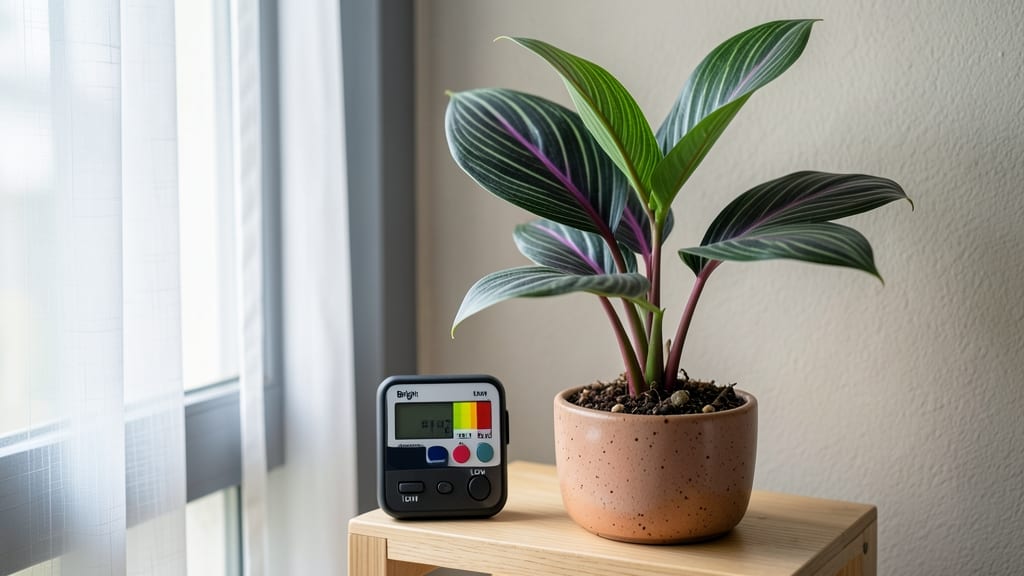
If your Zebra Plant 🌿 looks more like a sad, leggy shadow of itself than the vibrant tropical beauty it should be, you’re probably getting how much light this zebra plant needs all wrong.
This plant thrives in bright indirect sunlight, but too much direct sun or not enough light can turn its striking foliage into a dull, struggling mess.
Most people assume their Zebra Plant just needs "lots of light," but the truth is more nuanced. Too little light leads to weak stems and pale leaves, while harsh afternoon sun can scorch its delicate foliage.
Finding that sweet spot—where it gets enough brightness without burning—is the key to keeping it lush and healthy.
Whether you’re dealing with a dim corner or a sun-drenched windowsill, I’ll show you exactly how to adjust its placement for optimal growth. From indoor setups to outdoor shade spots, we’ll cover everything you need to know to give your Zebra Plant the perfect light conditions.
Ready to transform that struggling plant into a showstopper? Let’s dive into the light requirements that will make all the difference.

Zebra plant light requirements: ideal brightness levels for healthy growth
The zebra plant (Aphelandra squarrosa) thrives in bright indirect light, making it perfect for homes with east-facing windows or filtered sunlight. Unlike sun-loving succulents, this tropical beauty hates direct sun, which can scorch its striking zebra-striped leaves.
Understanding its light needs is the first step to keeping it lush and vibrant.
Think of your zebra plant’s ideal spot as morning sunlight with afternoon shade—similar to the dappled light of a forest understory. Too little light causes leggy growth, while too much leads to brown leaf tips.
The key is finding that sweet spot of medium brightness where it can photosynthesize without stress.
Here’s the light intensity breakdown your zebra plant needs to flourish:
For indoor growers, place your zebra plant 2–3 feet from an east-facing window where it gets 4–6 hours of bright, filtered light daily. If your home lacks natural light, a LED grow light (12–14 hours/day) can mimic ideal conditions.
Rotate the pot quarter-turn weekly to prevent lopsided growth toward the light source.
Outdoor enthusiasts in warm climates (Zones 10–12) can enjoy zebra plants in partial shade gardens, but avoid hot afternoon sun. In cooler zones, treat it as a seasonal container plant, moving it indoors before first frost. Always acclimate gradually to outdoor conditions to avoid shock.
Pro tip: Test your spot by holding a piece of paper near the plant’s usual location. If the paper casts a sharp shadow, the light is too direct. If it’s blurry or faint, it’s perfect for your zebra plant’s needs.
Remember, light quality matters more than quantity for zebra plants. Even in bright rooms, avoid harsh overhead lighting—sheer curtains help diffuse light naturally. With the right placement, your zebra plant will reward you with bold stripes and frequent blooms all season long.
🌿
Signs your zebra plant isn’t getting enough (or too much) light
Your zebra plant (Aphelandra squarrosa) speaks volumes through its leaves—pay close attention to these visual cues that reveal whether it's thirsty for light or burning from too much sun. Ignoring these signs can mean the difference between a lush, vibrant plant and a struggling survivor.
When your zebra plant isn’t getting enough light, you’ll notice pale, yellowing leaves that lose their signature zebra-striped patterns. The stems may stretch unnaturally tall and thin—a classic sign of etiolation—as the plant reaches for any available light source.
This leggy growth weakens the plant and makes it more prone to falling over.
The key takeaway here is that your zebra plant’s foliage will tell the story of its light struggles. If the leaves appear smaller than usual or develop brown edges, it’s a cry for help.
These symptoms often appear within weeks of incorrect light exposure, so act fast to adjust its placement.
🌱 Zebra Plant Light Stress Symptoms
- Pale, yellow leaves
- Stretched, leggy stems
- Loss of zebra stripes
- Brown, crispy leaf edges
- Bleached or faded stripes
- Wilting despite watering
On the flip side, over-exposure to direct sunlight causes brown patches or bleached areas on the leaves, especially along the edges. The plant may also wilt suddenly even when the soil feels moist—a clear sign of sunburn.
If you notice these symptoms, move your zebra plant to a shadier spot immediately.
For indoor plants, south-facing windows are usually too harsh, while east or north-facing windows provide the perfect bright indirect light. If you’re placing your zebra plant outdoors, morning sun (before 10 AM) is ideal, but afternoon sun can be damaging.
Use a light sheer curtain to diffuse harsh rays if needed.
Remember, your zebra plant’s health depends on balance. Too little light stunts its growth, while too much light scorches its delicate leaves. By watching for these early warning signs and adjusting its environment promptly, you’ll keep your plant thriving for years.