
Plants
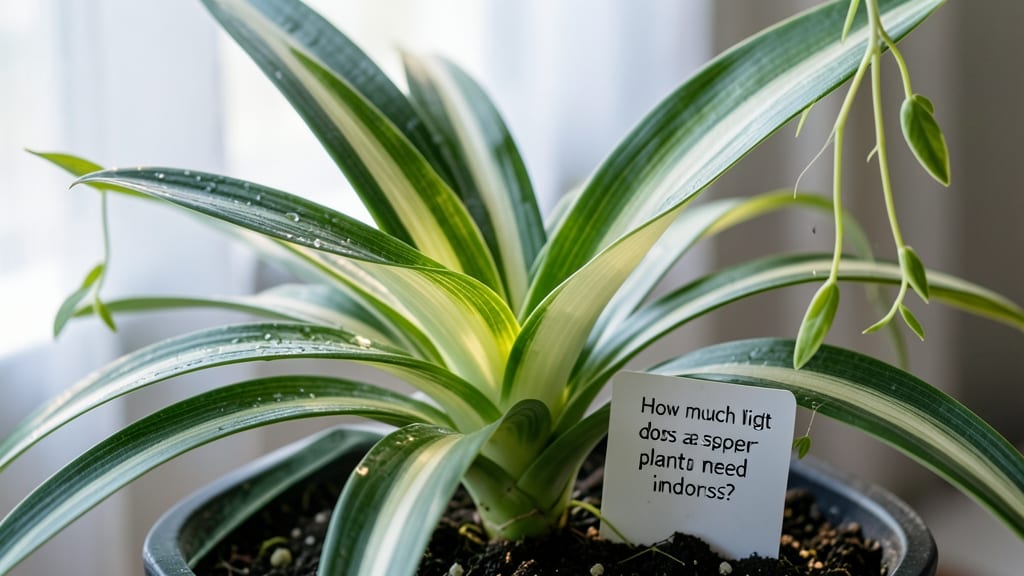
If your 🕷️ Spider Plant is looking sad with brown tips or sparse growth, you’re not alone—most people struggle with getting how much light does a spider plant need indoors just right.
The good news? This plant is one of the most forgiving around, but it still needs the perfect balance of brightness to truly thrive indoors.
Unlike fussy houseplants that demand direct sunlight, your Spider Plant actually prefers bright indirect light, making it perfect for offices, bathrooms, or north-facing windows. Too little light, and it stretches awkwardly; too much, and those crispy edges appear.
Let me show you exactly where to place it—and how to fix common light mistakes.
We’ll cover everything from the ideal 4-6 hours of filtered light per day to clever workarounds like sheer curtains or grow lights for darker spaces.
Whether you’re a beginner or a plant parent with a few failed attempts, these tips will help your Spider Plant bounce back with vibrant, arching leaves.
Ready to turn your struggling plant into a lush, happy centerpiece? Let’s dive into the light secrets that make all the difference.

Ideal light requirements for spider plants: low to medium brightness explained
Spider plants (Chlorophytum comosum) are famously adaptable, but their light needs are the foundation of their health. Unlike sun-loving succulents, these plants thrive in bright indirect light, making them perfect for homes with limited direct sunlight.
The key is replicating the dappled shade they’d find under a forest canopy—think filtered light through sheer curtains or a north-facing window.
In ideal conditions, a spider plant receives 4-6 hours of indirect light daily. This range prevents the two most common light-related issues: brown tips from too much sun and leggy, pale growth from insufficient light.
Even offices with fluorescent lighting can work, as long as the plant isn’t placed in a dark corner. The goal is to avoid both intense afternoon sun and dim, shadowy spots.
Here’s how to spot if your spider plant’s light conditions are just right:
- Healthy leaves: Vibrant green with minimal variegation loss
- Growth rate: Steady production of new "pups" (baby plants)
- Leaf texture: Firm and upright, not stretching toward light
| Light Condition | Signs of Plant | Action Needed |
|---|---|---|
| Bright Indirect Light (Ideal) | Vibrant green leaves, compact growth, frequent pups | Maintain current placement |
| Low Light (Under 4 hours) | Pale yellow leaves, leggy stems, sparse pups | Move closer to a window or add grow lights |
| Direct Sunlight (Over 6 hours) | Brown crispy tips, white/yellow patches, wilted appearance | Relocate to indirect light or use sheer curtains |
North-facing windows provide the most consistent bright indirect light for spider plants, especially in climates with harsh afternoon sun. East-facing windows work too, but avoid placing your plant directly in the path of morning rays, which can still be intense.
If you’re in a south-facing window, position the plant 3-4 feet away to diffuse the light naturally.
Fluorescent or LED grow lights are a game-changer for low-light spaces. A simple 12-15 watt bulb placed 6-12 inches above the plant mimics natural light cycles. Run it for 12-14 hours daily to compensate for short winter days.
I’ve successfully kept spider plants thriving in basements and bedrooms using cool-white LED bulbs—just rotate the plant weekly for even growth.
One common misconception is that spider plants can survive in total darkness. While they’re more resilient than many houseplants, prolonged low light leads to stunted growth and nutrient deficiencies.
Look for leaves that lose their variegation (white stripes) or develop a lavender tint—these are red flags for insufficient light. Even a 2-foot move closer to a window can make a dramatic difference in just a few weeks.
Seasonal adjustments are key. During summer months, when sunlight is most intense, move your spider plant away from south- or west-facing windows to prevent sunburn. In winter, supplement natural light with a timer-controlled grow light to maintain the 4-6 hour daily requirement.
I’ve noticed my plants produce more pups in spring and fall when light conditions are balanced.
Pro tip: Use a reflective surface like a white shelf or mirror behind the plant to bounce extra light onto the leaves. This trick can boost light exposure by up to 30% without moving the plant.
Just avoid placing it in a spot where it’ll reflect heat back onto the leaves during summer.
Remember, spider plants are forgiving—they’d rather survive than thrive in less-than-ideal light. But when you hit that sweet spot of bright indirect light, you’ll be rewarded with long, arching leaves and cascading baby plants that make any room feel alive. 🌿🕷️
How to adjust your spider plant’s light exposure for optimal growth
Spider plants are famously adaptable, but even they need a little help when indoor lighting gets tricky. If your plant is stretching toward the window or developing pale leaves, it’s begging for more bright indirect light.
Conversely, crispy brown tips often signal too much direct sunlight or harsh artificial light. The key is finding that sweet spot where your plant gets enough light without stress.
Start by rotating your spider plant quarter-turns every 2-3 weeks. This ensures all sides get even exposure, preventing lopsided growth. Most homes have at least one spot that’s perfect—like a north-facing window or a well-lit office corner.
If your plant is near a south or west window, use a sheer curtain to diffuse the harsh rays while still letting in plenty of light.
🌱 3 Key Adjustments for Perfect Light
- Rotate weekly: Ensures even growth and prevents legginess
- Use sheer curtains: Filters intense sunlight without blocking light
- Supplement with grow lights: 12-14 hours/day if natural light is insufficient
For spaces with low natural light, like basements or north-facing rooms, consider adding a LED grow light. Place it 6-12 inches above your plant and use it for 12-14 hours daily.
Fluorescent bulbs work too, but opt for full-spectrum options designed for plants. Avoid incandescent bulbs—they generate too much heat and can scorch leaves.
Watch for these light-related red flags: Yellowing leaves often mean too much light, while pale, stretched-out foliage signals a need for more brightness. Brown tips? That’s usually a sign of underwatering combined with low humidity, but also check if the plant is getting too much direct sun.
Adjust gradually—sudden changes can shock your spider plant, even if it’s tough.
Pro tip: Place your spider plant near a bright bathroom or kitchen with good ventilation. The humidity from showers or cooking helps mimic its natural tropical habitat, while the indirect light keeps it thriving.
Just avoid drafts—spider plants hate sudden temperature swings, which can stress them out even more than poor lighting.
Remember, spider plants are forgiving. If you notice issues, tweak one variable at a time—like moving the plant closer to a window or adding a grow light—and observe how it responds.
Within a few weeks, you’ll see healthier growth, vibrant green leaves, and those iconic spiderettes (the baby plants) popping up like clockwork.